High Torque Gear Coupling

High torque gear couplings are robust mechanical transmission components designed to deliver stable and efficient power transfer in heavy-duty industrial mechanical systems. Distinguished from ordinary flexible couplings, these specialized couplings excel at bearing extreme torque loads while accommodating minor shaft misalignments, making them indispensable in high-power mechanical equipment operation. The core structure relies on precise meshing between internal gear sleeves and external gear hubs, which converts rotational power from the driving shaft to the driven shaft with minimal energy loss. Featuring high transmission rigidity, compact structural layout, and exceptional load resistance, they effectively resolve common operational problems such as power attenuation, shaft vibration, and connection looseness in heavy-load transmission scenarios. Widely adaptable to various harsh working environments, these couplings maintain reliable performance under high-speed rotation, heavy impact loads, and continuous long-term operation, serving as a core guarantee for the stable and safe operation of modern industrial transmission systems across diverse heavy machinery fields.
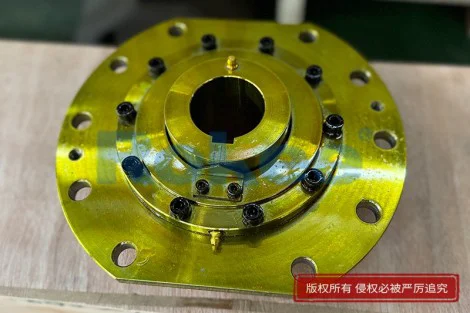
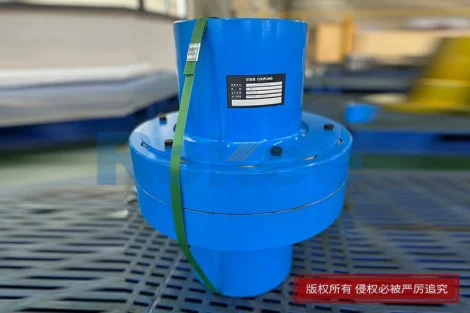
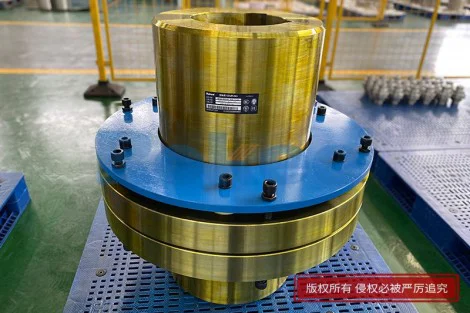
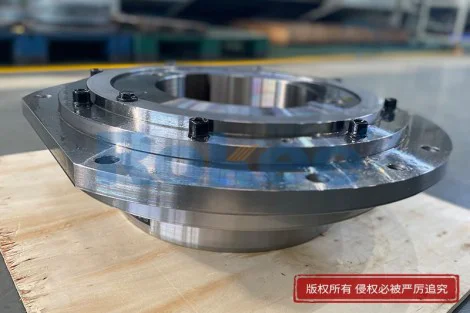
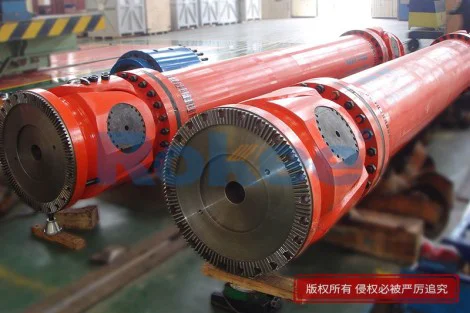
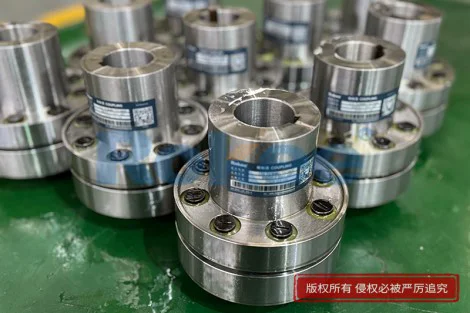
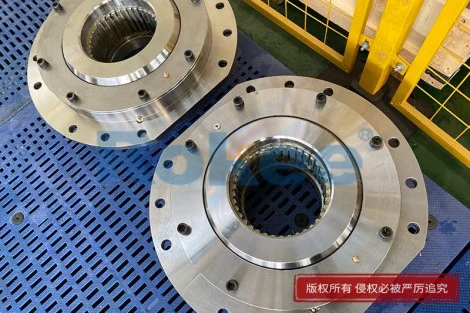
The basic structural composition of high torque gear couplings lays a solid foundation for their superior transmission performance and load-bearing capacity. Each complete coupling assembly mainly consists of two external gear hubs, one or two internal gear sleeves, and auxiliary sealing and fastening components. The external gear hubs are fixed firmly to the driving and driven shafts through precision matching structures, ensuring synchronous rotation with the shafts without relative displacement during operation. The internal gear sleeves adopt an integrated cylindrical structure with accurately machined internal tooth profiles, which perfectly mesh with the crowned external gear teeth of the hubs. The tooth surface crowning design is a key structural optimization for high torque models, which effectively avoids local stress concentration and tooth edge wear caused by tiny angular and parallel misalignments between connected shafts. All core structural parts are processed with high-precision machining technology and undergo rigorous surface strengthening treatment, improving surface hardness and wear resistance while maintaining excellent structural toughness. The overall compact structure avoids the bulky volume of traditional heavy-load transmission parts, realizing high power density that can bear ultra-high torque output within a small installation space, which greatly improves the space utilization rate of mechanical equipment transmission systems.
The working principle of high torque gear couplings centers on the mechanical meshing transmission of gear pairs and flexible displacement compensation. During equipment operation, the rotational torque generated by the power source is first transmitted to the external gear hub fixed on the driving shaft, and the meshing force between the external gear teeth and the internal gear sleeve drives the sleeve to rotate synchronously. Subsequently, the internal gear sleeve transmits torque to the external gear hub on the driven shaft, thus realizing the synchronous rotation and power transmission of the two independent shafts. Different from rigid couplings that cannot tolerate any shaft deviation, the reasonable tooth profile clearance and elastic deformation allowance of meshing teeth enable the coupling to automatically compensate for minor axial displacement, parallel offset, and angular misalignment between shafts. This compensation function eliminates additional mechanical stress caused by installation errors or operational shaft deformation, preventing abnormal vibration, noise, and shaft fatigue damage. Under high torque working conditions, multiple gear teeth participate in meshing and bearing loads simultaneously, which evenly distributes torque stress on each tooth surface, avoiding the overload failure problem of single-point stress in ordinary coupling structures and ensuring continuous and stable power transmission.
High torque gear couplings possess unparalleled performance advantages compared with elastomeric couplings and ordinary rigid couplings in heavy-load transmission scenarios. First of all, their ultra-high torque bearing capacity is the most prominent feature. The metal gear meshing structure can withstand continuous heavy torque and instantaneous impact torque that elastomeric couplings cannot bear, adapting to high-power and heavy-load mechanical operation requirements. Secondly, they maintain extremely high transmission efficiency and rigidity during operation. The precise gear meshing minimizes transmission gaps and power loss, ensuring almost zero-delay power transmission and excellent rotational synchronization, which is crucial for equipment that requires high-precision power output. In terms of environmental adaptability, all-metal structural materials and sealed protection designs enable the couplings to work stably in high-temperature, low-temperature, dusty, and slightly corrosive working environments, without aging, deformation, or failure like rubber and plastic coupling components. In addition, the optimized tooth surface structure reduces friction and wear during long-term operation, extending the service life of the whole machine and reducing the frequency of equipment shutdown maintenance, which significantly improves the overall operational efficiency of industrial production lines.
The application scenarios of high torque gear couplings cover almost all heavy-duty industrial fields that require high-power torque transmission. In the metallurgical industry, they are widely used in rolling mills, smelting equipment, and material conveying machinery, stably transmitting huge torque generated by metal processing and heavy material operation to ensure the continuous operation of high-load production equipment. In the mining industry, they serve as key connecting components for crushers, ball mills, and mining conveying equipment, resisting strong impact loads and vibration interference generated by mineral crushing and transportation to maintain stable power output. In the field of engineering machinery, large cranes, excavators, and bulldozers rely on these couplings to complete power transmission between engines and working mechanisms, adapting to complex and variable load changes and harsh outdoor working conditions. Meanwhile, they also play an important role in petrochemical equipment, power generation units, and port machinery, providing reliable transmission support for high-power rotating equipment. The versatile adaptability and stable heavy-load performance make them a preferred transmission component for high-end heavy industrial mechanical systems.
Installation precision and standardized operation directly determine the service performance and service life of high torque gear couplings. Before installation, it is necessary to strictly check the machining accuracy and surface integrity of all coupling components, removing burrs, impurities, and rust on gear tooth surfaces and matching parts to ensure smooth meshing and fitting. The alignment of the driving and driven shafts is the core of installation work, and fine adjustment is required to control the shaft misalignment within the allowable range of the coupling structure, avoiding excessive deviation that causes accelerated tooth surface wear and additional load stress. During assembly, the gear hubs and sleeves should be installed in place in sequence, and the fastening components should be evenly tightened with standard torque to prevent loose connection during high-speed operation. A proper amount of high-performance lubricant needs to be filled into the sealed meshing cavity to form a stable lubricating oil film on the gear tooth surfaces, reducing friction and heat generation during meshing operation. After installation, no-load trial operation and load test operation must be carried out to check for abnormal vibration, noise, and temperature rise, ensuring that the coupling operates stably before formal equipment commissioning.
Scientific daily maintenance and fault prevention are essential to maintain the long-term stable operation of high torque gear couplings. Regular lubrication maintenance is the most critical link, as long-term operation will cause lubricant aging, volatilization, and contamination, which will weaken the lubrication effect and lead to increased gear wear. It is necessary to regularly replace the lubricant according to the equipment operating cycle and working conditions, and check the sealing performance of the coupling to prevent dust, moisture, and impurities from entering the meshing cavity to damage the tooth surface. Daily inspection should focus on observing the operating state of the coupling, including whether there is abnormal vibration, irregular noise, and excessive temperature rise during equipment operation, which are important early warning signals of meshing failure or component looseness. Regular disassembly and inspection should be conducted periodically to check the wear degree of gear tooth surfaces, the tightness of fastening parts, and the aging state of sealing elements, and replace severely worn or failed components in a timely manner. Standardized maintenance can effectively avoid sudden equipment failure, reduce maintenance costs, and maximize the service life of high torque gear couplings.
With the continuous upgrading of modern industrial heavy machinery towards high power, high efficiency, and high stability, the technical optimization and application prospects of high torque gear couplings are becoming increasingly broad. Current technological development focuses on structural optimization and material upgrading, with new high-strength alloy materials gradually applied to coupling manufacturing, further improving torque bearing capacity, wear resistance, and fatigue resistance while reducing the overall weight of components. Structural optimization designs such as integrated gear sleeves and optimized tooth profiles further enhance transmission stability and displacement compensation ability, adapting to more complex high-speed and heavy-load working conditions. In addition, the integration of sealed anti-pollution structures and low-friction tooth surface processing technology continuously improves the environmental adaptability and operational efficiency of the couplings. As industrial production puts forward higher requirements for equipment reliability and continuous operation capability, high torque gear couplings will be further popularized and applied in more industrial fields, and their technical performance will continue to be iterated and upgraded to meet the development needs of modern heavy industry.