Custom Barrel Coupling
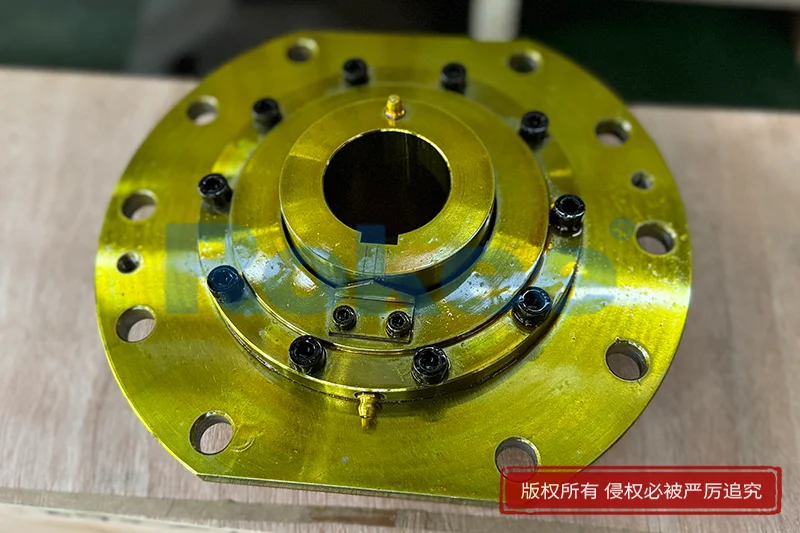
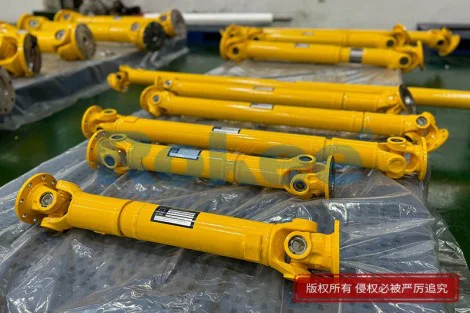
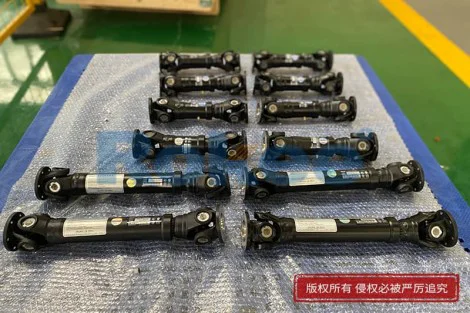
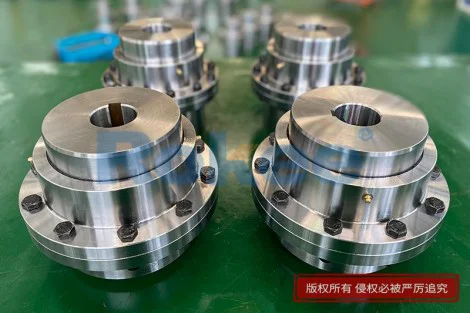
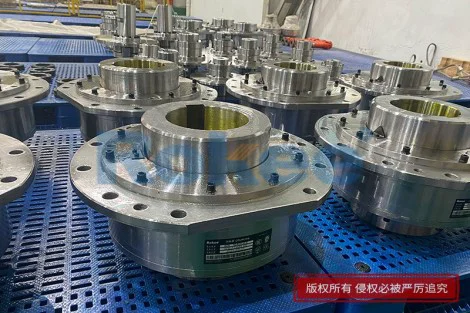
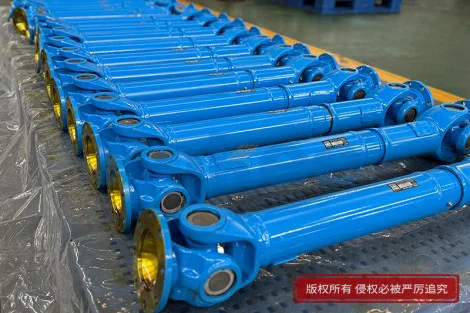
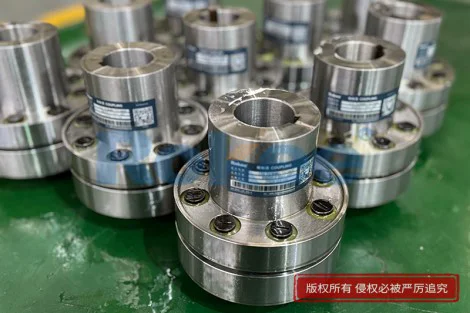
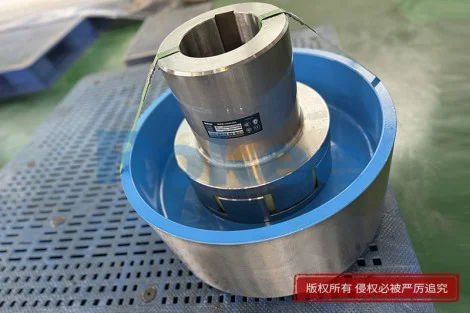
Custom barrel couplings are specialized mechanical transmission components engineered to deliver tailored torque transmission, misalignment compensation, and operational stability for diverse industrial mechanical systems. Differing from universal standard couplings, customized versions are designed to match unique equipment structures, operating environments, and load characteristics, making them indispensable core parts in heavy-duty and high-precision mechanical transmission scenarios. These couplings integrate optimized structural design and adaptive material configuration to effectively connect rotating shafts, buffer mechanical vibration, offset axial, radial, and angular misalignments caused by equipment operation, thermal expansion, and mechanical wear, and maintain consistent transmission efficiency under long-term continuous operation. Widely adaptable to lifting equipment, conveying systems, mining machinery, and metallurgical facilities, custom barrel couplings solve the performance limitations of standard couplings in complex working conditions, improving the overall stability, durability, and service life of mechanical transmission systems while meeting personalized industrial operation demands.
The core value of custom barrel couplings lies in their structural adaptability, which is optimized and adjusted according to the actual operating parameters and equipment layout of different industrial scenarios. Traditional general couplings feature fixed structural dimensions and single transmission performance, which often leads to poor matching with special equipment, such as insufficient misalignment compensation range, excessive axial occupation space, or weak impact resistance in variable load operation. Custom barrel couplings break through these limitations by adjusting key structural parameters including barrel body curvature, internal tooth profile, hub size, and connection mode. Designers can optimize the contact area and force transmission path of internal components based on the equipment’s torque demand, start-stop frequency, and vibration amplitude, ensuring uniform force distribution during operation. This personalized structural optimization enables the coupling to adapt to narrow installation spaces, frequent steering operations, and intermittent heavy-load working states that standard products cannot accommodate, realizing high-precision and high-stability torque transmission in non-standard mechanical transmission systems.
Material customization is a key factor that determines the comprehensive performance and service life of custom barrel couplings, and different operating environments require targeted material selection and processing optimization. For conventional indoor industrial scenarios with stable temperature and low corrosion risk, medium-strength alloy materials are usually adopted to balance mechanical strength and cost performance, meeting the basic torque transmission and wear resistance requirements of continuous operation. For harsh working environments such as high dust, high humidity, and chemical gas erosion in mining and metallurgical industries, custom couplings will adopt high-strength anti-corrosion alloy materials and undergo special surface treatment processes to enhance oxidation resistance, rust resistance, and abrasion resistance. In high-temperature operating scenarios, heat-resistant alloy materials are selected to avoid structural deformation and performance attenuation caused by thermal expansion. In addition, the material hardness and toughness of key load-bearing parts can be adjusted according to impact load intensity, effectively resisting mechanical fatigue and structural damage caused by long-term variable load operation, ensuring stable operation of the coupling in extreme working conditions.
Custom barrel couplings excel in misalignment compensation and vibration buffering, two core functions that are further optimized through personalized design to adapt to complex mechanical operation states. During the long-term operation of industrial equipment, shaft system misalignment is inevitable due to installation errors, mechanical wear, equipment aging, and thermal deformation, which easily causes increased transmission resistance, severe vibration, and accelerated component wear. Through customized curvature design of the barrel body and optimized meshing structure of internal transmission parts, custom barrel couplings can efficiently compensate for axial displacement, radial deviation, and angular deflection of the shaft system within a reasonable range. Compared with standard couplings, the customized structure features more flexible stress release and better vibration damping performance, which can absorb the impact force generated by equipment start-stop, load mutation, and frequent steering. This optimization not only reduces the vibration noise of mechanical operation but also avoids additional mechanical loss caused by shaft system deviation, effectively protecting the supporting bearings, reducer, and other core equipment components.
The application scenarios of custom barrel couplings cover multiple heavy-duty industrial fields, with excellent adaptability to differentiated working condition requirements. In lifting and hoisting machinery, they are mainly used to connect the reducer output shaft and the winding drum, adapting to frequent start-stop, heavy-load lifting, and variable load operation, ensuring stable torque transmission during equipment lifting and lowering. In material conveying systems such as long-distance belt conveyors and screw conveyors, custom barrel couplings can compensate for shaft deviation caused by long-term operation and equipment vibration, maintaining continuous and efficient operation of conveying equipment. In mining and metallurgical machinery, they adapt to harsh environments with heavy dust, severe vibration, and continuous high-load operation, resisting structural wear and fatigue damage. In addition, they are also widely used in auxiliary transmission systems of power equipment, compressor units, and hydraulic machinery, with customized performance parameters precisely matching the operational characteristics of different equipment.
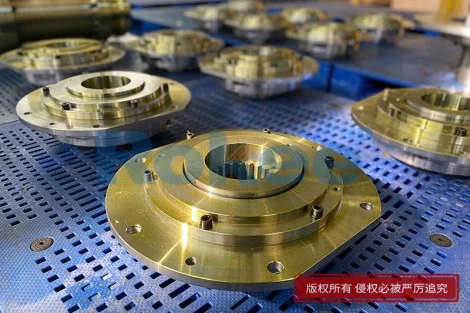
The processing and manufacturing process of custom barrel couplings focuses on precision control and personalized optimization to ensure that customized design indicators are fully implemented. The whole process starts with in-depth sorting of user working condition parameters, including equipment installation space, rated torque, extreme load, operating frequency, and environmental factors, to formulate targeted design schemes. Advanced precision machining technology is adopted in the manufacturing process to ensure the dimensional accuracy of the barrel body, hub, and transmission tooth profile, avoiding transmission jitter and efficiency loss caused by processing errors. Key connection and load-bearing parts undergo fine heat treatment to optimize material internal structure, improve overall mechanical strength and fatigue resistance. After processing, each custom coupling will undergo strict performance testing, including torque transmission test, misalignment compensation test, and vibration damping test, to verify that its performance meets the customized design standards. The refined manufacturing process ensures that each custom product can perfectly adapt to the user’s unique equipment operation needs.
Compared with standard couplings, custom barrel couplings have significant advantages in operational stability and long-term economic benefits. Standard couplings often face performance redundancy or insufficient performance in non-standard working conditions, resulting in wasted resources or frequent equipment failures. Custom barrel couplings avoid these problems through precise personalized design, achieving optimal matching between product performance and working conditions. Their optimized structural design and customized materials greatly reduce component wear and failure probability, extending the service life of transmission components and reducing the frequency of equipment maintenance and parts replacement. Stable torque transmission and efficient misalignment compensation also reduce mechanical energy loss, improving the overall operating efficiency of mechanical equipment. In long-term industrial operation, custom barrel couplings can effectively reduce equipment downtime and maintenance costs, bringing stable and reliable operational guarantees for industrial production.
With the continuous upgrading of industrial machinery towards high efficiency, high precision, and high stability, the market demand for custom barrel couplings is constantly improving, and their design and manufacturing technology are also continuously optimized. Modern industrial equipment puts forward higher requirements for the adaptability, precision, and durability of transmission components under complex working conditions, which promotes the continuous innovation of custom barrel coupling design concepts. Designers are gradually combining lightweight structural optimization, intelligent wear resistance design, and adaptive performance adjustment technology to further improve the comprehensive performance of customized products. In the future, custom barrel couplings will develop towards higher precision, stronger environmental adaptability, and longer service life, continuously adapting to the diversified and personalized development needs of modern industrial mechanical transmission systems and providing more reliable core support for the stable operation of various industrial equipment.