Pin Coupling Manufacturer

Pin couplings stand as one of the most practical and widely adopted flexible transmission components in modern industrial mechanical systems, serving as a critical bridge for torque and power transfer between rotating shafts. Renowned for their simple structural design, exceptional operational stability, and outstanding vibration damping performance, these couplings are favored in diverse mechanical transmission scenarios ranging from general industrial equipment to medium-load operating systems. Professional pin coupling manufacturers focus on the integrated research, development, production, and optimization of such products, committing to delivering high-quality transmission parts that adapt to complex operating conditions. Unlike rigid coupling structures, pin couplings leverage the elastic deformation of core pin components and matching buffer structures to compensate for minor shaft misalignment, absorb operating shock, and reduce mechanical wear, effectively extending the service life of complete machinery equipment. With the continuous upgrading of industrial manufacturing technology, leading manufacturers keep optimizing product structure and material formulas to enhance the durability, adaptability, and operational safety of pin couplings, meeting the increasingly refined and diversified transmission demands of modern industrial production.
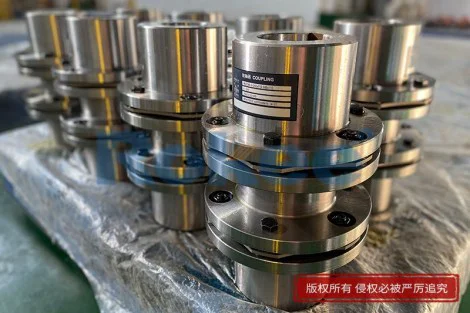
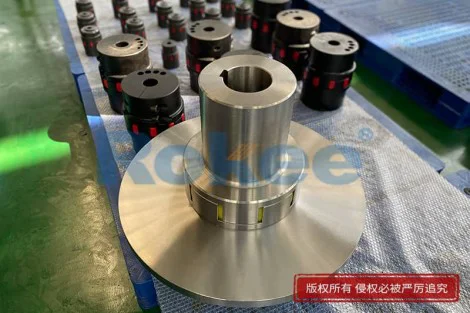
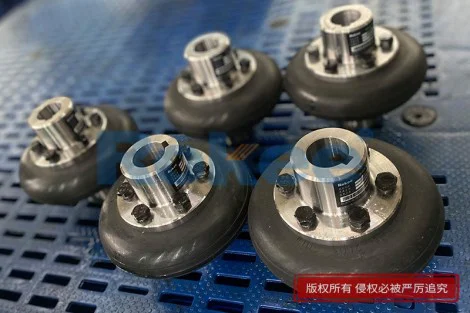
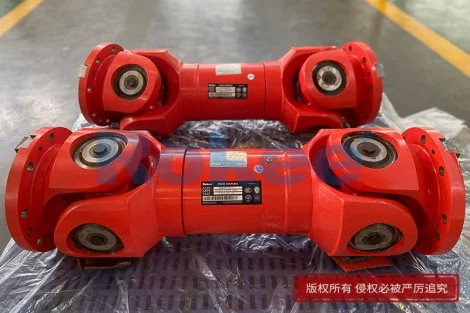
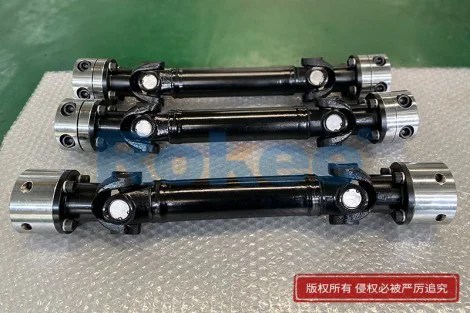
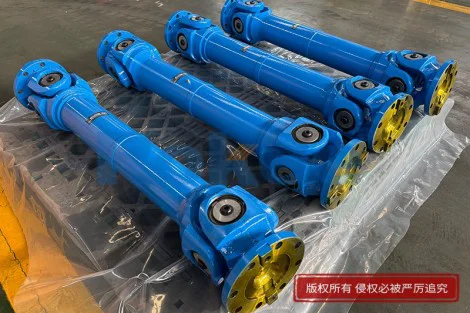
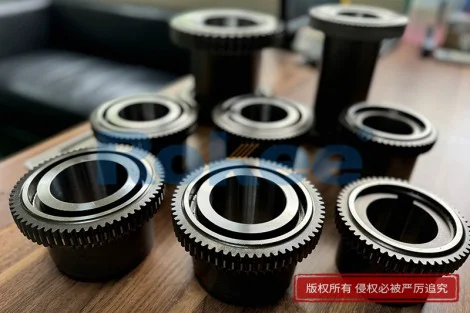
The core competitiveness of professional pin coupling manufacturers stems from their in-depth grasp of product structural principles and mechanical performance characteristics. A standard pin coupling mainly consists of two symmetrical hub bodies and a set of high-strength flexible pin components equipped with elastic buffer sleeves, forming a flexible transmission structure without complex gear or bearing assemblies. During equipment operation, the driving hub drives the pin components to rotate synchronously, and the pins transmit torque evenly to the driven hub, realizing stable power output between shafts. The elastic buffer structure outside the pins plays a decisive role in overall performance, as it can produce mild elastic deformation during operation to offset tiny axial, radial, and angular misalignments inevitably generated during mechanical operation. This structural design avoids the rigid collision and friction between metal components caused by shaft deviation, greatly reducing operating vibration and noise. Professional manufacturers fully optimize the matching gap between pins and hub holes in the production process, ensuring neither excessive clearance that causes transmission jitter nor excessive tightness that leads to component abrasion, thus achieving a perfect balance between transmission efficiency and operational stability in long-term mechanical operation.
Material selection is the core link that determines the service performance and service life of pin couplings, and mature manufacturers have formed a strict and scientific material matching system for different application scenarios. For metal hub components that bear long-term torque and mechanical pressure, manufacturers prefer high-toughness alloy metal materials with excellent tensile resistance and fatigue resistance. Such materials can maintain stable structural strength under long-term high-speed operation and variable load conditions, avoiding deformation or fracture caused by continuous mechanical impact. For the core flexible pin and buffer sleeve components, manufacturers select high-performance elastic materials with excellent wear resistance, aging resistance, and compression resilience. These materials can maintain stable elastic performance in complex environments such as temperature changes and continuous vibration, without hardening, cracking or losing elasticity after long-term use. Professional manufacturers will also adjust material hardness and toughness ratios according to different load demands, configuring harder composite materials for medium and heavy-load transmission scenarios to improve torque bearing capacity, and adopting high-flexibility materials for light-load and high-precision equipment to enhance vibration damping and misalignment compensation effects, realizing targeted material matching for diverse industrial needs.
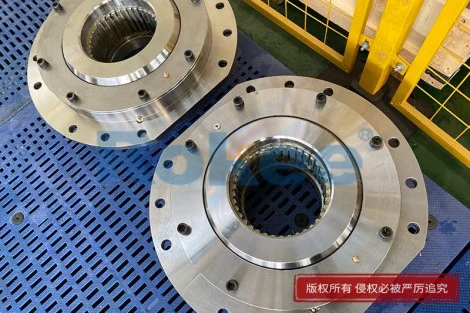
Precision manufacturing technology is the key support for manufacturers to produce high-standard pin couplings, and every production process is strictly controlled to ensure product consistency and reliability. The entire production process of pin couplings covers precision machining, component matching, elastic part molding, and finished product debugging. In the hub machining stage, manufacturers adopt advanced numerical control precision processing equipment to carry out one-time forming processing of pin holes and flange structures, ensuring the dimensional accuracy and surface flatness of each component, which lays a foundation for precise assembly and stable transmission. For flexible pin components and buffer sleeves, manufacturers use integrated molding processes to avoid structural defects such as gaps and bubbles inside elastic parts, ensuring uniform stress of each pin during operation. After the completion of component processing, professional assembly workers conduct precise matching and debugging, checking the flexibility of pin rotation and the uniformity of stress bearing one by one to eliminate unqualified products. Meanwhile, manufacturers optimize the production flow to realize standardized and batch production, which not only ensures the stable quality of each batch of products but also shortens the production cycle and improves the supply efficiency of industrial supporting products.
Strict quality inspection systems enable pin coupling manufacturers to provide highly reliable products for industrial transmission systems, forming a complete quality control system covering raw material incoming inspection, semi-finished product monitoring, and finished product performance testing. Before production, all raw materials will undergo sampling inspection of mechanical properties, including hardness, toughness, and wear resistance tests, to eliminate unqualified raw materials that fail to meet production standards. In the production and processing process, real-time dimensional inspection and structural detection are carried out on key components to correct processing deviations in time and avoid batch quality problems. After the finished products are assembled, manufacturers will conduct multi-dimensional performance tests, including torque transmission stability tests, long-term vibration fatigue tests, and misalignment adaptation tests, to simulate various complex operating conditions in actual industrial production. Only products that pass all performance detection indicators can be put into market supply. This rigorous quality control mode effectively avoids product failure, abnormal wear, and transmission instability in actual use, ensuring that each pin coupling can maintain stable and efficient operating performance in long-term industrial application scenarios.
Pin couplings produced by professional manufacturers have extremely wide industrial application value, covering almost all mechanical equipment scenarios that require stable shaft torque transmission. In general mechanical manufacturing fields such as fans, water pumps, and conveyor equipment, pin couplings provide stable power connection for high-speed rotating equipment, effectively reducing equipment operating noise and mechanical vibration, and improving the smoothness of equipment operation. In heavy industrial fields including metallurgy, mining, and building materials processing, these couplings adapt to variable load and impact load operating environments, relying on excellent shock absorption and anti-fatigue performance to reduce equipment failure rates and extend the maintenance cycle of mechanical equipment. In precision mechanical equipment and fluid transmission systems, the precise matching and flexible transmission characteristics of pin couplings ensure high-precision power output, avoiding transmission errors caused by shaft deviation. With the continuous development of industrial intelligence and automated production, manufacturers are also expanding the application boundaries of pin couplings, making them more adaptable to automated production lines, intelligent transmission equipment, and new energy mechanical supporting scenarios.
Excellent after-sales service and technical optimization capabilities are important symbols of high-quality pin coupling manufacturers, forming a full-cycle service system for product application and promotion. Professional manufacturers have a professional technical team that can provide targeted product selection suggestions according to customers' actual equipment operating conditions, load parameters, and environmental characteristics, helping customers match the most suitable pin coupling products to avoid performance mismatch and resource waste. In the product use stage, manufacturers provide professional installation guidance and operation maintenance suggestions, guiding users to complete standardized installation and daily maintenance, so as to maximize the service life of the couplings. Meanwhile, manufacturers continuously collect product application feedback from industrial sites, summarize the performance advantages and optimization space of products in different scenarios, and carry out iterative upgrading of product structure and materials. Through continuous technical innovation and service optimization, manufacturers solve various practical problems in the application of transmission components for industrial users, helping enterprises reduce equipment operation costs and improve the overall operational efficiency of mechanical systems.
Looking ahead, pin coupling manufacturers will continue to drive product upgrading and industrial development centering on the core demands of high efficiency, durability, and environmental protection in modern industrial transmission. With the continuous progress of industrial manufacturing technology and the increasingly stringent requirements for mechanical equipment stability and energy saving, manufacturers will further optimize product structural design, adopt new composite materials and advanced processing technologies to improve the torque bearing capacity, environmental adaptability, and fatigue resistance of pin couplings. In terms of product performance optimization, manufacturers will focus on improving the energy-saving transmission efficiency of products, reducing mechanical friction energy consumption in the power transmission process, and meeting the green and low-carbon development trend of modern industry. At the same time, manufacturers will continue to expand customized product solutions, develop differentiated pin coupling products for special working conditions such as high temperature, low temperature, and strong dust, continuously enrich product categories, and provide more high-quality, diversified and professional transmission component support for the upgrading and development of the global mechanical manufacturing industry.