Flexible Diaphragm Coupling
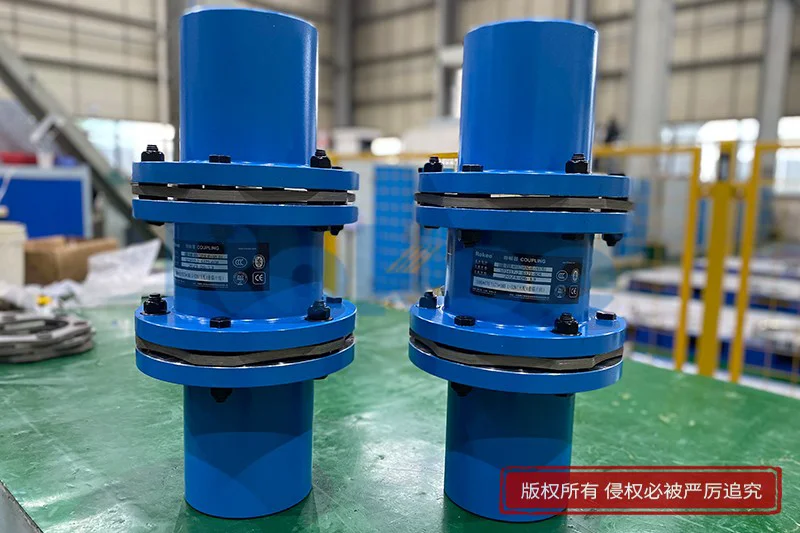
Flexible diaphragm coupling is a high-performance mechanical transmission component widely adopted in modern industrial power transmission systems, serving as a critical connection between driving and driven equipment. Unlike traditional rigid and flexible coupling structures, it relies on the reversible elastic deformation of thin metal diaphragms to transmit torque while compensating for various shaft misalignments generated during equipment operation. This component integrates high torsional rigidity, low vibration transmission, and maintenance-free operation, making it ideal for high-speed, high-precision, and long-cycle mechanical working scenarios. It effectively solves operational problems caused by assembly deviations, thermal deformation, and mechanical wear, ensuring stable and accurate power transmission. Its unique structural advantages and reliable operating performance have made it a core component in numerous precision transmission fields, distinguishing it from conventional coupling products with comprehensive functional superiority.
The core working principle of flexible diaphragm coupling centers on the elastic deformation characteristics of metal diaphragm components, which enables coordinated torque transmission and misalignment compensation in mechanical systems. In practical industrial operation, absolute coaxial alignment between driving and driven shafts is unattainable due to inherent machining errors, assembly deviations, thermal expansion and contraction during equipment operation, and subtle structural settlement. These objective factors inevitably produce axial, radial, and angular misalignments between connected shafts, which would trigger excessive vibration, torque loss, and component wear without effective compensation. The flexible diaphragm coupling addresses this issue by utilizing the controllable elastic bending and stretching of its diaphragm groups. When torque is transmitted, the diaphragms bear cyclic stress and undergo micro elastic deformation to adapt to shaft displacement, ensuring continuous and stable torque output without disrupting transmission accuracy. All deformation behaviors are reversible, allowing the component to reset automatically after eliminating external displacement interference, which lays a solid foundation for long-term stable cyclic operation.
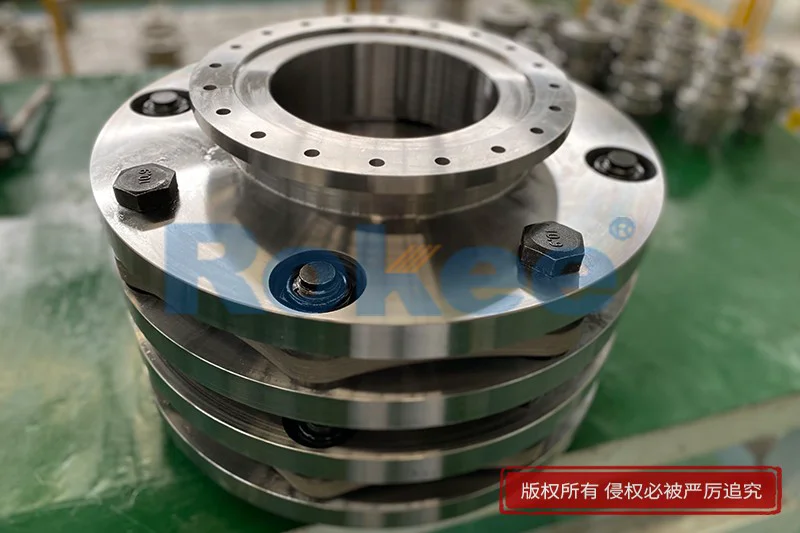
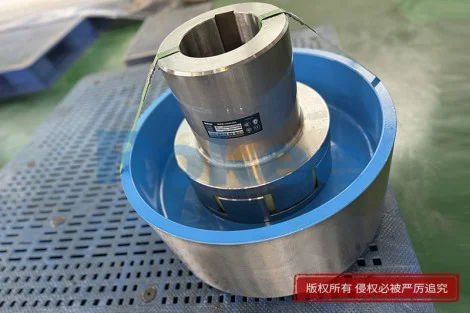
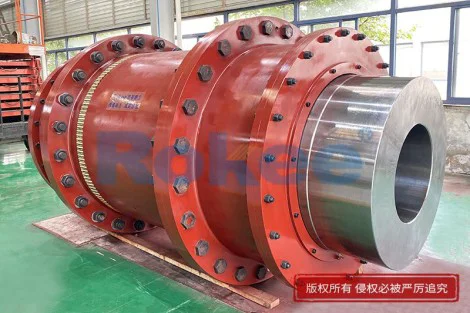
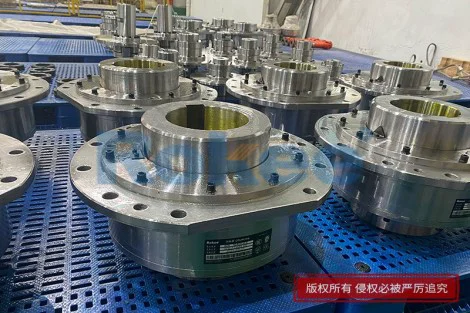
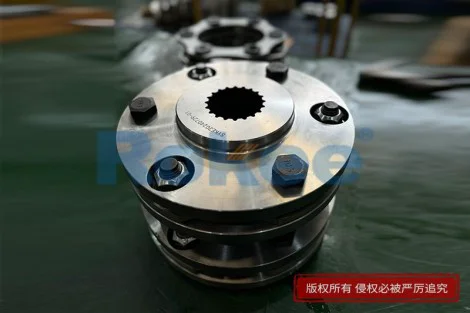
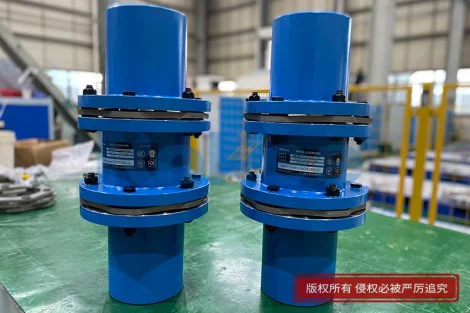
The basic structural composition of flexible diaphragm coupling is concise and scientific, with each component designed to optimize transmission efficiency and deformation tolerance. The overall structure mainly includes driving hubs, driven hubs, flexible metal diaphragm groups, and high-strength fastening connectors. The hubs serve as the basic connecting structure, closely matching the shaft ends of power equipment to ensure reliable torque input and output. The diaphragm group, as the core flexible component, is usually composed of single or multiple stacked thin metal diaphragms, and the number and layout of diaphragms directly determine the coupling’s misalignment compensation capacity and torsional rigidity. Fastening bolts and positioning parts fix the diaphragm groups between the two hubs, maintaining structural stability while reserving sufficient space for elastic deformation. Compared with traditional couplings with complex elastic accessories, this integrated metal structure avoids loose parts failure and elastic material aging. The simple and compact structure not only reduces the overall occupied space of the transmission system but also lowers the probability of structural failure during long-term high-speed operation.
Flexible diaphragm coupling boasts outstanding comprehensive performance advantages that make it superior to many traditional coupling types in industrial applications. First, it features zero backlash transmission, enabling ultra-precise torque and rotational speed transmission, which fully meets the precision control requirements of high-end mechanical equipment. Second, the all-metal structural design eliminates the need for lubrication, grease replacement, and regular accessory maintenance, realizing long-term maintenance-free operation and greatly reducing equipment operation and maintenance costs. In terms of environmental adaptability, metal diaphragms can maintain stable mechanical properties in a wide temperature range, resisting aging and deformation caused by temperature changes, and adapting to harsh working environments such as high temperature, low temperature, and dust. Additionally, the coupling has excellent vibration damping and noise reduction capabilities. The elastic deformation of diaphragms can absorb tiny vibration generated by equipment operation, suppress vibration transmission between shafts, and reduce operating noise, effectively improving the overall stability and working environment of mechanical systems.

Different structural forms of flexible diaphragm coupling cater to diverse industrial working conditions, with single-diaphragm and double-diaphragm structures being the most widely used classifications. Single-diaphragm coupling features an extremely simple structure and lightweight design, with sensitive elastic deformation response and stable torque transmission performance. It is more suitable for working scenarios with small shaft misalignment and medium and low load operation, showing high cost-performance in conventional precision transmission equipment. Double-diaphragm coupling adopts two sets of symmetrically arranged diaphragm groups, which can coordinate deformation to significantly improve the comprehensive compensation capacity for axial, radial, and angular misalignments. Its optimized stress distribution reduces the fatigue load of a single diaphragm, effectively extending the service life of the component. This structure is more applicable to high-speed, heavy-load, and high-vibration working environments where shaft displacement changes frequently. The diversified structural designs allow flexible diaphragm couplings to cover transmission demands from conventional light-load equipment to high-end heavy-duty precision machinery, realizing targeted matching with different working conditions.
Fatigue resistance and operational stability are key indicators of the long-term service performance of flexible diaphragm coupling, endowing it with remarkable durability in cyclic industrial operation. During continuous high-speed rotation, the diaphragm components bear combined stress including torque-induced membrane stress, centrifugal stress, and bending stress caused by misalignment. Through optimized structural design and reasonable material stress control, the cyclic stress borne by the diaphragms is kept far below the material’s fatigue limit, avoiding fatigue fracture and permanent deformation after long-term repeated operation. The high-strength fastening structure ensures that all connecting parts remain tight and stable during high-speed rotation, eliminating torque loss and transmission failure caused by loose components. Moreover, the all-metal structure does not suffer from aging, wear, or failure of rubber and plastic elastic parts used in traditional couplings. Even after tens of thousands of hours of continuous operation, the coupling can maintain stable transmission accuracy and compensation performance, greatly reducing equipment downtime and replacement frequency.
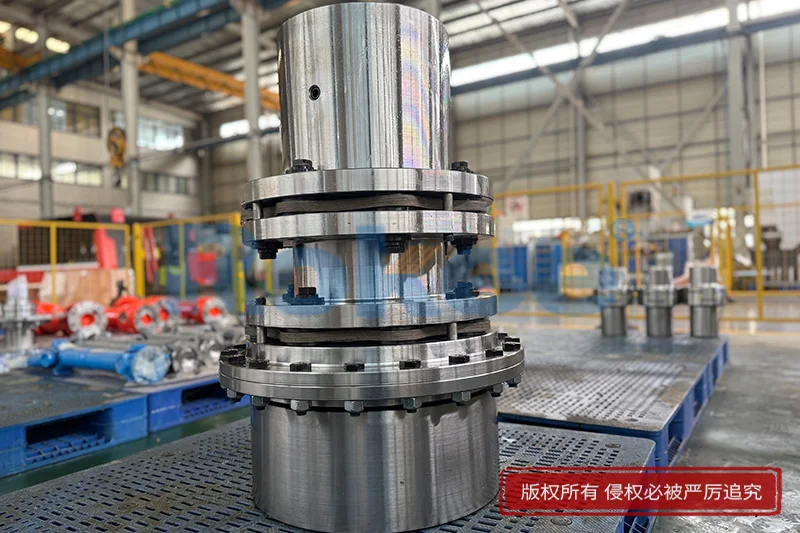
Flexible diaphragm coupling has been widely applied in multiple industrial fields relying on its superior performance and strong adaptability, becoming a standard matching component for high-precision power transmission systems. It is extensively used in precision processing equipment, where its zero-backlash and high-stability transmission characteristics ensure the machining accuracy of precision machine tools and automated processing equipment. In power transmission equipment such as fans, pumps, and compressors, it effectively compensates for shaft displacement caused by equipment operation and thermal deformation, reducing vibration and wear of rotating parts and improving the operational reliability of fluid mechanical equipment. In high-speed power machinery and automated production lines, the coupling’s maintenance-free feature and long service life reduce equipment downtime and improve production continuity and efficiency. With the continuous upgrading of industrial manufacturing towards high precision and high efficiency, the application scope of flexible diaphragm coupling is constantly expanding, showing irreplaceable application value in modern industrial transmission systems.
The development trend of flexible diaphragm coupling focuses on structural optimization, performance upgrading, and scenario customization to adapt to the increasingly complex industrial transmission demands. With the progress of material technology, new high-strength, high-toughness metal materials are gradually applied to diaphragm production, further improving the component’s fatigue resistance, deformation compensation capacity, and high-speed adaptability. Structural optimization design is committed to balancing torsional rigidity and flexibility, realizing higher precision transmission while maintaining larger misalignment compensation range. In terms of personalized application, customized structural parameters are designed for special working conditions such as ultra-high speed, ultra-low temperature, and strong vibration to meet differentiated industrial demands. In addition, combined with modern mechanical design concepts, the lightweight and integrated design of the coupling further optimizes the space utilization of transmission systems. As industrial transmission technology continues to iterate, flexible diaphragm coupling will continue to upgrade in performance and structure, providing more reliable and efficient support for modern industrial power transmission.