Flexible Coupling For Motor
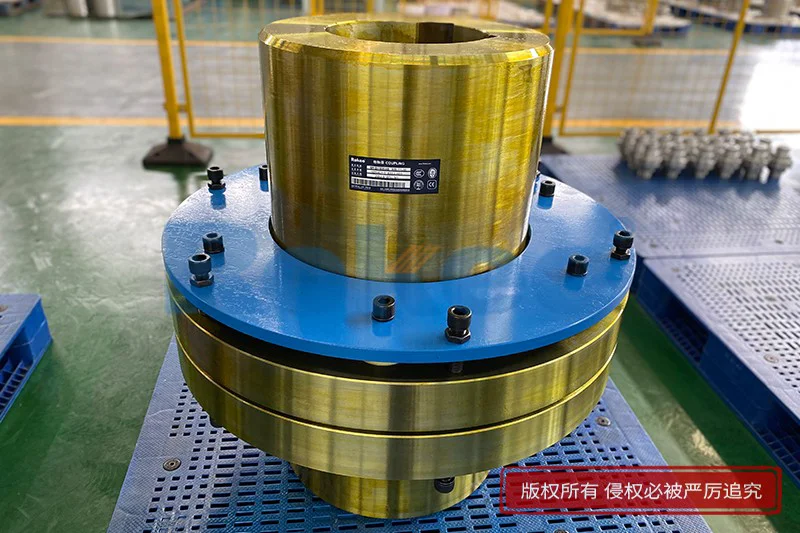
Flexible couplings serve as indispensable core components in motor-driven mechanical transmission systems, functioning as a critical connecting bridge between motor drive shafts and load-driven shafts. Unlike rigid connection structures, these flexible transmission devices integrate elastic adaptive structures, enabling stable torque transmission while effectively addressing common mechanical defects in operational equipment. In actual mechanical operation, shaft misalignment, operational vibration, instantaneous impact load, and thermal deformation are inevitable due to installation deviations, long-term mechanical wear, and dynamic load changes. Flexible couplings compensate for multi-dimensional shaft position offsets through controllable elastic deformation, absorb torsional shock and vibration energy, and reduce mechanical friction and structural stress of transmission parts. This not only guarantees the continuous and efficient operation of motor power output but also greatly extends the service life of motors, bearings and matching equipment, making them widely applicable in various industrial and precision mechanical transmission scenarios.
The fundamental working principle of motor flexible couplings revolves around the elastic deformation characteristics of internal compliant components, which realize dual functions of torque transmission and misalignment compensation in motor transmission systems. When a motor starts and operates stably, the rotational torque generated by the motor drive shaft is synchronously transmitted to the driven mechanical shaft through the elastic elements inside the coupling. During this power transmission process, the elastic structures can produce mild, reversible and controllable deformation according to the real-time operating state of the equipment. This adaptive deformation effectively offsets three typical forms of shaft misalignment that frequently occur in motor operation, including angular deviation between two shaft axes, parallel radial offset, and axial displacement caused by thermal expansion and mechanical vibration. Rigid connections will generate huge additional mechanical stress at the shaft connection when facing such misalignments, leading to intensified bearing wear and unstable motor operation. In contrast, flexible couplings eliminate concentrated stress through structural flexibility, maintain the synchronous rotation accuracy of the drive and driven shafts, and ensure the consistency of motor power output speed and torque, laying a stable foundation for the normal operation of the entire transmission system.
Vibration damping and noise reduction are core functional advantages of flexible couplings for motors, which significantly optimize the operational stability of motor transmission equipment. In high-speed rotation and variable-load operation of motors, mechanical vibration is easily generated due to uneven torque output, load mutation and tiny structural deviations. Such vibration will be transmitted along the rigid transmission path, causing resonance of the whole equipment, increasing component wear, and producing continuous mechanical noise. The special elastic materials and flexible structural design of motor flexible couplings can effectively intercept and attenuate vibration energy in the transmission process. When vibration and torsional shock act on the coupling, the internal elastic elements absorb most of the vibration energy through deformation and release it slowly in a gentle form, avoiding the continuous transmission of vibration between the motor and the load equipment. Long-term application practice shows that the use of flexible couplings can greatly reduce the vibration amplitude of motor shafting operation, inhibit system resonance, lower the operating noise of mechanical units, and create a more stable and low-consumption operating environment for motor equipment, which is particularly important for precision mechanical equipment that requires low vibration and low noise operation.
Flexible couplings provide reliable overload protection for motor equipment and effectively reduce the failure rate of transmission systems. In the daily operation of motor-driven machinery, unexpected working conditions such as load jamming, instantaneous overload and sudden start-stop often occur, which will generate instantaneous huge impact torque on the motor shaft and transmission components. If the torque is transmitted directly without buffering, it is easy to cause motor burnout, shaft deformation, gear damage and other serious equipment failures, bringing high maintenance costs and production downtime losses. The elastic structure of flexible couplings forms an effective buffer zone in the transmission path. When the system is overloaded, the elastic elements produce large deformation to release instantaneous impact stress and limit the excessive torque transmitted to the motor and load sides. This buffering mechanism can effectively isolate abnormal impact loads, protect the motor power core and precision transmission parts from damage, and improve the fault tolerance of the equipment in complex working conditions. At the same time, this passive protection function does not require manual intervention, which can respond to abnormal working states in real time and greatly enhance the operational safety and reliability of motor transmission systems.
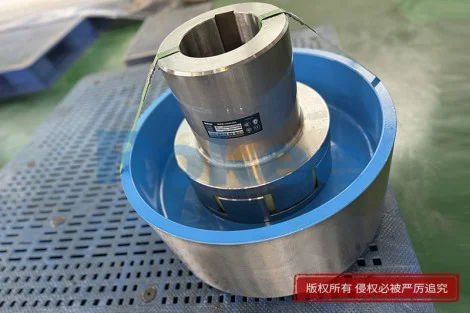
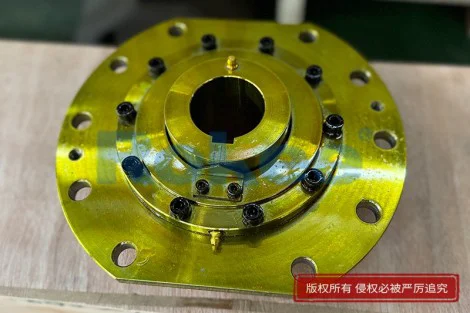
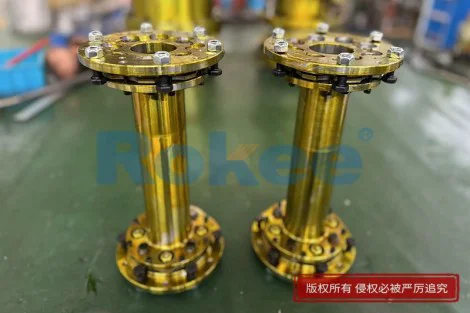
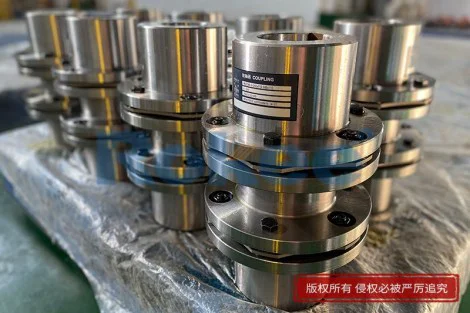
Diversified structural types of motor flexible couplings enable them to adapt to complex and variable industrial working conditions, covering different power and precision transmission demands. According to different structural forms and elastic working mechanisms, mainstream flexible coupling structures applied in motor equipment include elastic jaw type, diaphragm type, beam type, disc type and other classic types, each with unique application characteristics. Elastic jaw couplings rely on intermediate elastic buffer blocks to realize flexibility, with simple structure and strong impact resistance, suitable for medium and low-speed motor transmission scenarios with frequent start and stop. Diaphragm couplings adopt metal thin-wall elastic structures, featuring high precision, high temperature resistance and no gap transmission, which are widely used in high-speed and high-precision motor transmission equipment. Beam couplings are integrally processed with flexible grooves, with good coaxiality compensation performance, suitable for small and micro precision motor transmission. Different structural designs make flexible couplings compatible with various working environments such as high speed, heavy load, high temperature and frequent variable speed, realizing targeted matching with different types of motors and mechanical equipment, and meeting the differentiated transmission needs of industrial production and precision manufacturing.
The service life and maintenance economy of motor flexible couplings make them a cost-effective choice for long-term operation of mechanical systems. In the whole motor transmission system, the coupling is a vulnerable component that bears frequent deformation and stress impact, but the optimized material selection and structural design of modern flexible couplings greatly improve their fatigue resistance and service stability. Most flexible coupling elastic components are made of high-toughness, wear-resistant and aging-resistant polymer materials or high-strength elastic metals, which can maintain stable elastic performance after long-term repeated deformation and avoid rapid performance attenuation. Compared with rigid transmission structures that are prone to shaft wear and equipment failure, flexible couplings can effectively reduce the abrasion loss of motor bearings, shafts and load components, greatly extending the service life of the whole set of equipment. In terms of daily maintenance, flexible couplings have simple assembly and disassembly structures, convenient later inspection and replacement, and do not need complex debugging and regular lubrication maintenance. The low maintenance frequency and low replacement cost significantly reduce the long-term operational investment of motor equipment, showing excellent economic applicability in industrial continuous production scenarios.
The installation and commissioning specifications of flexible couplings directly determine the operating effect and service life of motor transmission systems, and standardized operation is the key to giving full play to their performance. Although flexible couplings have excellent misalignment compensation capability, excessive installation deviation will still cause long-term abnormal stress on the coupling, leading to accelerated aging of elastic components and reduced transmission efficiency. In the installation process, it is necessary to ensure the basic coaxiality of the motor drive shaft and the load driven shaft, control the offset and angle error within the adaptable range of the coupling, and avoid forced assembly and fixed installation with excessive stress. After installation, it is necessary to conduct low-speed trial operation to check the rotation stability of the coupling, observe whether there is abnormal vibration, noise and jamming, and adjust the installation state in time. In the daily operation process, regular visual inspection and running state monitoring are required to check the aging, deformation and wear of elastic components. Timely replacement of aging parts can avoid transmission failure caused by component failure. Standardized installation and scientific daily maintenance can maximize the misalignment compensation, vibration damping and protection performance of flexible couplings, and ensure the long-term stable and efficient operation of motor equipment.
With the continuous upgrading of mechanical transmission technology, the technical optimization and application expansion of motor flexible couplings are constantly advancing, becoming an important support for high-efficiency and high-precision motor transmission. With the rapid development of intelligent manufacturing, high-speed automation and precision processing industries, motor equipment is developing towards higher speed, higher precision and more stable operation, which puts forward higher requirements for the comprehensive performance of supporting couplings. Modern flexible coupling design is gradually optimized in the direction of miniaturization, high precision, high fatigue resistance and multi-working condition adaptation. New elastic composite materials and optimized structural design further improve the vibration damping efficiency, misalignment compensation range and overload protection capability of couplings, while reducing structural volume and operational energy consumption. At the same time, flexible couplings are increasingly applied in emerging fields such as automated production equipment, precision testing instruments, new energy power equipment and intelligent transmission systems, breaking through the application limitations of traditional transmission components. In the future, with the continuous innovation of material technology and mechanical structure design, motor flexible couplings will achieve more excellent comprehensive performance, provide more reliable guarantee for the efficient and stable operation of various motor transmission systems, and promote the further upgrading of modern mechanical transmission technology.