Barrel Coupling Export

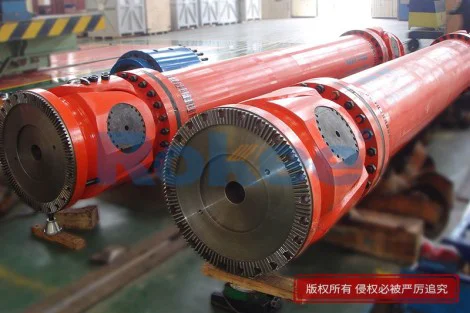
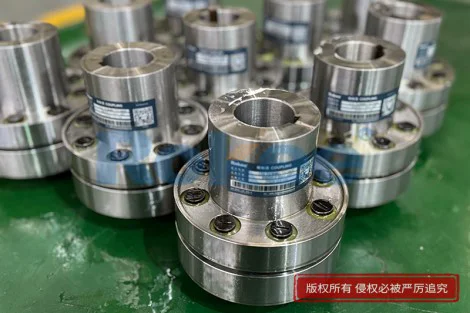
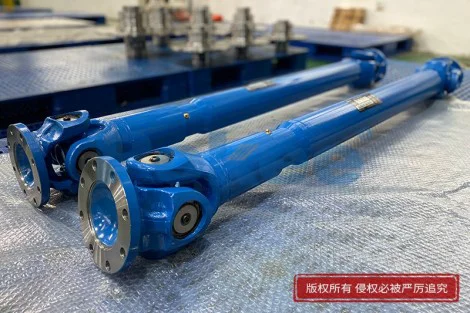
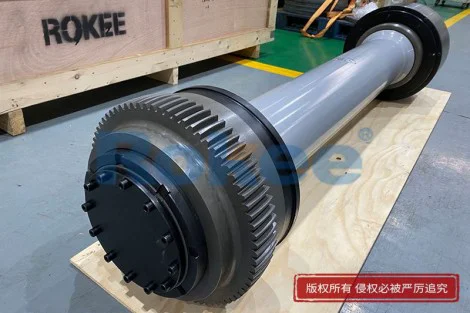
Barrel couplings have emerged as indispensable core components in modern industrial power transmission systems, serving as premium flexible connection parts designed for heavy-duty mechanical operation scenarios. Unlike conventional rigid couplings and ordinary elastic couplings with limited adaptability, this type of coupling features a unique curved tooth and roller contact structure, enabling stable high-torque transmission while effectively compensating for multi-dimensional shaft misalignments including axial, radial and angular deviations. With outstanding load-bearing capacity, vibration damping performance and fatigue resistance, barrel couplings are widely applied in lifting machinery, material handling equipment, metallurgical facilities and various heavy industrial transmission devices. As global industrial upgrading accelerates, cross-border demand for high-performance barrel couplings continues to grow steadily, making their export trade a vital segment of the international mechanical parts market. This article comprehensively elaborates on the structural characteristics, core performance advantages, application scenarios, export value, market trends and technical iteration directions of barrel couplings to present a full-scale overview of this key industrial component.
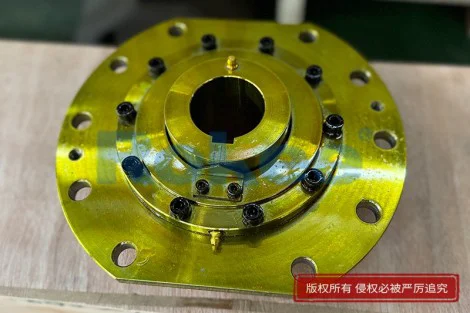
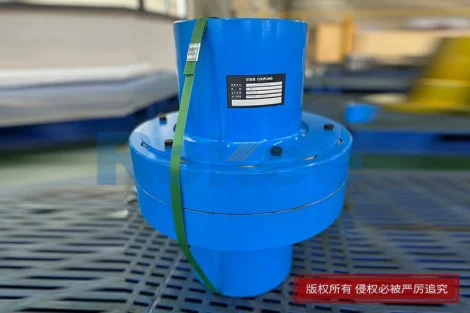
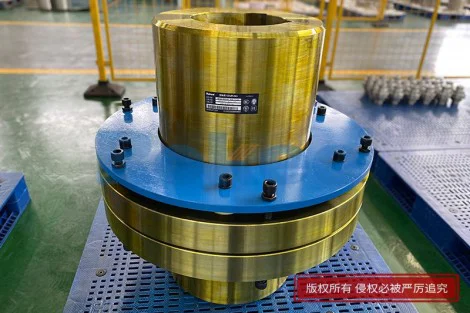
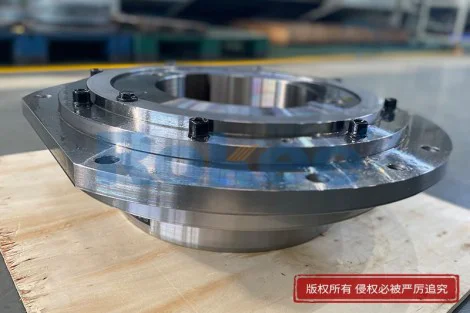
The unique structural design of barrel couplings lays a solid foundation for their superior operational performance and wide industrial applicability. The core structure consists of precision-machined curved barrel teeth, high-strength rolling rollers and integrated flange assemblies, forming a rolling contact transmission mechanism that differs fundamentally from the sliding friction structure of traditional gear couplings. The curved profile of the barrel teeth enables gradual and uniform load transfer during equipment operation, eliminating localized stress concentration that often causes premature wear and structural damage in ordinary coupling products. Meanwhile, the flexible matching between rollers and tooth grooves allows moderate adaptive displacement of connected shafts, effectively offsetting installation errors and operational deviation generated during long-term mechanical movement. The overall integrated structural design simplifies the internal assembly structure, reduces the number of vulnerable parts, and enhances the overall structural rigidity while retaining flexible compensation capability. This balanced design of rigidity and flexibility ensures that the coupling can maintain stable transmission status even under complex working conditions with frequent start-stop operations and alternating loads, greatly improving the reliability of the entire mechanical transmission system.
Barrel couplings possess remarkable performance advantages that make them stand out among various mechanical coupling products in the global market. First of all, they deliver exceptional high load-bearing performance, with their special contact structure expanding the effective stress area, which significantly improves the torque transmission efficiency and load capacity compared with conventional couplings of the same volume. This feature allows the product to adapt to heavy-load operating environments that most ordinary elastic couplings cannot withstand. Secondly, the rolling-slipping composite motion formed between internal components effectively reduces friction loss during operation, lowering equipment energy consumption and reducing the generation of mechanical heat. This not only improves the operational efficiency of mechanical equipment but also avoids performance degradation caused by long-term high-temperature operation. In addition, the product has excellent impact resistance and fatigue resistance, capable of buffering instantaneous impact loads and reverse loads generated during equipment starting, braking and variable-speed operation. It can maintain stable working performance after long-term cyclic operation, greatly extending the service life of transmission components and reducing the frequency of equipment maintenance and part replacement for industrial users.
The diverse and rigorous application scenarios of barrel couplings further highlight their irreplaceable value in global industrial production and drive the continuous expansion of export demand. In the lifting and hoisting industry, they are widely used to connect rope drums and gearbox output shafts, adapting to the narrow installation space and high radial force working conditions of hoisting equipment, ensuring stable power transmission during heavy-object lifting and walking operations. In the material handling field, barrel couplings support the continuous operation of various conveyors, stackers and reclaimers, coping with the vibration and displacement deviation generated by long-distance material transportation. In metallurgical and mining industries, where equipment operates under harsh conditions of heavy dust, variable loads and long-duration continuous work, the high durability and stability of barrel couplings can effectively resist complex environmental interference and maintain consistent transmission performance. Besides, they are also applied in supporting facilities of power equipment, port machinery and engineering machinery, covering multiple core industrial fields. The wide industrial coverage makes barrel couplings a universal mechanical component with stable global market demand.
The export development of barrel couplings relies on mature industrial supporting capabilities and standardized product manufacturing systems, which have become core competitiveness in cross-border trade. High-quality barrel coupling products require precise processing technology and strict production control throughout the manufacturing process, from raw material selection of high-strength alloy materials to precision forging, heat treatment and finish machining of components. Professional production processes ensure the uniformity of product structure, the accuracy of tooth profile size and the stability of material performance, enabling exported products to adapt to diverse working condition requirements in different regions. In addition, standardized production and complete product serialization design meet the differentiated matching needs of various international mechanical equipment models. Export-oriented barrel coupling products usually adopt universal structural design and assembly standards, facilitating convenient installation, debugging and later maintenance for overseas users. Meanwhile, perfect product testing links, including load testing, fatigue testing and misalignment adaptation testing, ensure that each batch of exported products has stable and reliable performance, laying a good foundation for long-term cooperation in international trade.
The global export market of barrel couplings presents a steady growth trend, driven by the continuous recovery and upgrading of global manufacturing industry. With the accelerated industrialization of emerging economies and the iterative upgrading of traditional industrial equipment in developed regions, the demand for high-performance heavy-duty transmission components has been continuously rising, bringing broad market space for barrel coupling exports. Different from low-end ordinary couplings, exported barrel couplings focus on high-performance and high-reliability positioning, targeting mid-to-high-end industrial equipment supporting markets, with strong market competitiveness and profit margins. In recent years, the continuous progress of mechanical processing technology has promoted the optimization and upgrading of barrel coupling products, making them more adaptable to intelligent, high-efficiency and energy-saving modern industrial equipment. Moreover, the improvement of global cross-border logistics systems and international trade service mechanisms has reduced the transportation cycle and trade cost of mechanical parts exports, further promoting the expansion of barrel coupling export scale and the expansion of overseas market coverage.
Technical innovation and product optimization are key driving forces for the long-term development of barrel coupling export business. In the context of global industrial intelligence and green development, the iteration of barrel coupling products is moving towards lightweight, high-efficiency, low-energy consumption and long-life direction. Manufacturers continuously optimize the tooth profile curve and internal structural parameters of products through mechanical simulation and dynamic testing technology, further improving the misalignment compensation ability and load transmission stability of products while reducing overall weight and operation noise. The application of new high-strength, wear-resistant and corrosion-resistant materials also enhances the environmental adaptability of barrel couplings, enabling them to operate stably in high-humidity, high-corrosion and high-dust harsh environments, and expanding the scope of applicable overseas scenarios. In addition, the modular design of products realizes flexible combination and customized matching, which can meet the personalized equipment supporting needs of different overseas industries and users, effectively improving the market adaptability and added value of exported products.
Looking ahead, the export prospect of barrel couplings remains promising, with sustainable development potential in the global mechanical parts market. As global industrial equipment continues to be updated and iterated, the market demand for high-reliability, low-maintenance and high-adaptability transmission components will continue to increase, providing stable market support for barrel coupling exports. The continuous breakthroughs in domestic manufacturing technology will further narrow the technical gap with international advanced products, enhance the core competitiveness of exported barrel couplings in the global market, and help expand market share in more regions. At the same time, with the deepening of global industrial cooperation and the improvement of cross-border trade facilitation, the export trade of barrel couplings will gradually form a more standardized and professional development system. Focusing on technological innovation, product optimization and overseas market service improvement will become the core direction of barrel coupling export development, promoting this high-performance industrial component to play a more important role in global industrial power transmission systems.