Gear Type Coupling Improves Operation Stability Of Rockwool Sandwich Panel Line

In the modern construction materials industry, rockwool sandwich panels have become indispensable due to their excellent fire resistance, thermal insulation, sound insulation, and structural strength. These panels are widely used in exterior walls, roofs, cold storage facilities, and industrial workshops, driving the continuous development and upgrading of rockwool sandwich panel production lines. As the core equipment for manufacturing these panels, the stability and efficiency of the production line directly determine the quality of the final products, production efficiency, and operational costs. Among the numerous components that make up the production line, the gear type coupling plays an irreplaceable role in ensuring smooth power transmission, reducing equipment wear, and improving overall operation stability.
A rockwool sandwich panel line is a complex integrated system composed of multiple functional modules, including uncoiling systems, metal sheet forming systems, rockwool processing and conveying systems, bonding and composite systems, hot pressing curing systems, cutting systems, and stacking systems. Each module operates in a coordinated manner, relying on stable power transmission to ensure the continuity and consistency of the production process. The uncoiling system is responsible for smoothly unfolding rolled metal sheets, which are then sent to the forming system for precision rolling to achieve the desired cross-sectional shape. The rockwool processing system cuts and splices rockwool into the required specifications, and the conveying system transports the rockwool to the composite station, where it is bonded with the metal sheets through an adhesive spraying system. The hot pressing curing system ensures the firm bonding of the panels, while the cutting system trims the panels to the required length, and the stacking system completes the automatic stacking of finished products. Throughout this entire process, power needs to be transmitted efficiently and stably between different modules, and any interruption or instability in power transmission will lead to production delays, product defects, or even equipment damage.
The key challenge faced by rockwool sandwich panel production lines in terms of operation stability lies in the harsh working environment and the high requirements for power transmission. The production line operates continuously for long periods, with multiple motors and transmission shafts running simultaneously, generating large torque and frequent load changes. In addition, the production process involves dust, vibration, and temperature fluctuations—rockwool processing produces a large amount of dust, which can easily enter the transmission components; the operation of motors and forming equipment generates continuous vibration, which impacts the connection stability of transmission parts; the hot pressing curing system causes local temperature rises, leading to thermal expansion and contraction of shafts and components, resulting in misalignment between shafts. These factors collectively increase the risk of wear, deformation, and failure of transmission components, affecting the overall stability of the production line. Traditional coupling types, such as rigid couplings, have poor adaptability to such working conditions—they cannot compensate for shaft misalignment caused by thermal expansion or vibration, easily leading to excessive stress on shafts and bearings, resulting in premature wear and even equipment breakdowns. In contrast, gear type couplings are designed to address these pain points, providing reliable power transmission and strong adaptability to complex working environments.
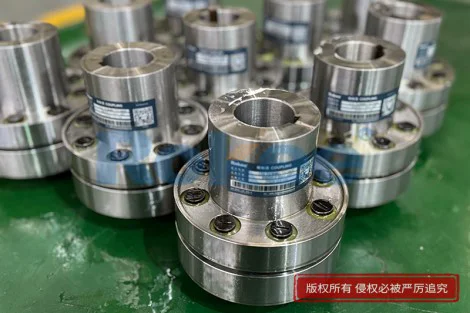
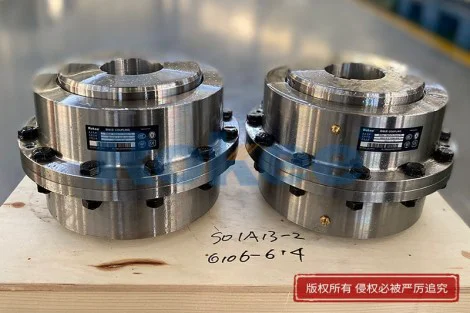
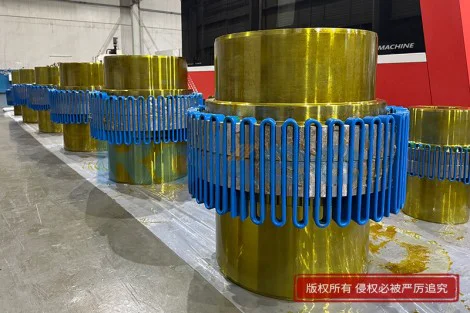
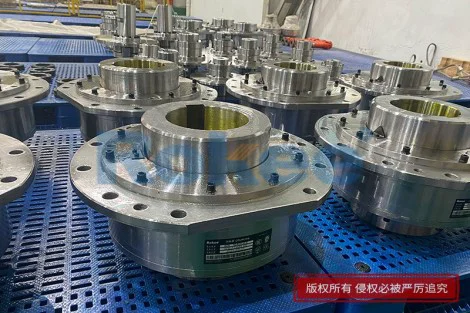
To understand how gear type couplings improve the operation stability of rockwool sandwich panel lines, it is first necessary to clarify their basic structure and working principles. A gear type coupling is a mechanical component used to connect two shafts for torque transmission while accommodating a certain degree of misalignment. Its core structure consists of two gear hubs with external teeth and a sleeve with internal teeth that meshes with the external teeth of the hubs. The gear hubs are respectively mounted on the shafts of the driving and driven equipment, and the sleeve connects the two hubs through gear meshing, realizing power transmission from the driving shaft to the driven shaft. The gear teeth are precision-machined to ensure tight meshing, which not only guarantees efficient torque transmission but also allows for slight relative movements between the two shafts, thereby compensating for angular, parallel, and axial misalignment. This misalignment compensation capability is one of the key advantages of gear type couplings, making them particularly suitable for rockwool sandwich panel production lines where shaft misalignment is prone to occur due to vibration and thermal expansion.
The high torque transmission capacity of gear type couplings is another critical factor in ensuring the stable operation of rockwool sandwich panel lines. Rockwool sandwich panel production involves heavy-load operations—for example, the uncoiling of large-weight metal coils, the precision rolling of metal sheets, and the conveying of rockwool all require large torque to drive. Gear type couplings are designed with a multi-tooth meshing structure, which distributes the torque evenly across multiple gear teeth, reducing the stress on each tooth and enabling the transmission of large torques efficiently. Compared with other types of couplings, gear type couplings have a higher torque-bearing capacity under the same size, ensuring that the power generated by the motor is transmitted to the working components without loss, avoiding problems such as slipping or torque attenuation that may occur in low-torque couplings. This stable torque transmission ensures that each module of the production line operates at a consistent speed, preventing production defects caused by uneven speed—such as uneven bonding between rockwool and metal sheets, irregular cutting of panels, or uneven thickness of finished products.
In addition to high torque transmission and misalignment compensation, the durability and wear resistance of gear type couplings also play a crucial role in improving the operation stability of rockwool sandwich panel lines. The production environment of rockwool sandwich panels is relatively harsh, with a large amount of dust, debris, and occasional impact loads. Gear type couplings are usually made of high-strength alloy steel, which undergoes strict heat treatment processes to enhance their hardness, wear resistance, and impact resistance. The gear teeth are precision-ground and polished to ensure smooth meshing, reducing friction and wear during operation. Moreover, gear type couplings are equipped with effective sealing devices that prevent dust, debris, and moisture from entering the gear meshing area, avoiding premature wear and corrosion of the gears. This high durability ensures that gear type couplings can operate stably for a long time under harsh working conditions, reducing the frequency of maintenance and replacement, and minimizing unplanned downtime of the production line. For rockwool sandwich panel production lines that require continuous operation, reducing downtime is crucial to improving production efficiency and reducing operational costs, and the long service life of gear type couplings effectively meets this demand.
The adaptability of gear type couplings to the specific working conditions of rockwool sandwich panel production lines further enhances their role in improving operation stability. Rockwool sandwich panel production lines have varying operating speeds and load changes—during the start-up phase, the motor needs to overcome the static friction of the equipment, generating a large starting torque; during normal operation, the load may fluctuate due to changes in raw material specifications or production requirements. Gear type couplings have excellent adaptability to speed and load changes, allowing for smooth start-up and stable operation even under variable load conditions. They can absorb and dampen the impact generated during load changes, reducing the impact on the motor and other transmission components, and avoiding mechanical shocks that may cause equipment damage. Additionally, the compact structure of gear type couplings makes them suitable for installation in limited spaces, which is particularly important for rockwool sandwich panel production lines where multiple modules are closely arranged. Their small size and light weight do not affect the layout of other equipment, while ensuring efficient power transmission between modules.
To further illustrate the practical effect of gear type couplings in improving the operation stability of rockwool sandwich panel lines, we can analyze their application in key modules of the production line. The metal sheet forming system is one of the core modules of the production line, requiring precise and stable power transmission to ensure the accuracy of the sheet shape. The forming system consists of multiple sets of rolling molds, which need to operate at a consistent speed to gradually process the flat metal sheet into the desired cross-sectional shape. If the power transmission is unstable, the speed of the rolling molds will fluctuate, leading to uneven sheet thickness, irregular edges, or even sheet deformation. Gear type couplings are used to connect the motor and the rolling mold shafts, ensuring that the torque is transmitted stably and evenly, and compensating for any shaft misalignment caused by the vibration of the rolling molds. This ensures that the metal sheets are formed with high precision, reducing the rejection rate of semi-finished products and improving the overall quality of the panels.
The rockwool conveying and processing system is another key module where gear type couplings play an important role. Rockwool is a lightweight but bulky material, and its conveying process requires stable power to ensure smooth transportation without jamming or accumulation. The rockwool slitting machine and splicing machine in the processing system also require precise power transmission to ensure accurate cutting and seamless splicing of rockwool. Gear type couplings connect the motor to the conveying rollers and processing equipment, providing stable torque transmission and adapting to the load changes caused by the uneven distribution of rockwool. They can compensate for the misalignment between the motor shaft and the equipment shaft caused by the vibration of the conveying system, avoiding the wear of the rollers and bearings, and ensuring the continuous and stable operation of the rockwool processing process. In addition, the dust-proof sealing design of gear type couplings prevents rockwool dust from entering the coupling, avoiding gear jamming and wear, and further improving the reliability of the system.
The hot pressing curing system is a critical link in ensuring the bonding strength of rockwool sandwich panels, and its stable operation directly affects the quality of the finished products. The hot pressing system relies on hydraulic cylinders and conveyor belts to apply uniform pressure and temperature to the composite panels, requiring stable power transmission to control the speed of the conveyor belts and the pressure of the hydraulic system. Gear type couplings are used to connect the motor to the hydraulic pump and conveyor belt drive system, ensuring that the power is transmitted stably and accurately, and maintaining the consistency of the conveyor belt speed and hot pressing pressure. The misalignment compensation capability of gear type couplings also helps to adapt to the thermal expansion of the shafts caused by the high temperature in the hot pressing area, avoiding the occurrence of shaft jamming or uneven pressure, which could lead to insufficient bonding strength or deformation of the panels.
In addition to their application in key modules, gear type couplings also contribute to the overall operation stability of the rockwool sandwich panel production line by reducing the overall vibration of the equipment. Vibration is a common problem in industrial production lines, and excessive vibration can not only affect the accuracy of the production process but also accelerate the wear of equipment components and reduce the service life of the entire production line. Gear type couplings have a certain damping effect—during the meshing process of the gears, the slight elastic deformation of the gear teeth can absorb part of the vibration generated by the motor and transmission system, reducing the transmission of vibration to other components of the production line. This damping effect helps to stabilize the operation of the entire production line, reducing the noise generated by equipment operation and improving the working environment, while also reducing the wear of bearings, shafts, and other components, extending the service life of the entire production line.
Proper installation and maintenance of gear type couplings are also essential to ensure their role in improving the operation stability of rockwool sandwich panel lines. During installation, it is necessary to ensure the correct alignment of the two shafts connected by the coupling, avoiding excessive initial misalignment that may cause additional stress on the gears and shafts. The coupling should be installed firmly, with appropriate torque applied to the connecting bolts to prevent loosening during operation. In addition, regular lubrication is crucial for the normal operation of gear type couplings—lubricating oil can reduce the friction between the gear teeth, reduce wear, and prevent corrosion. The lubricating oil should be selected according to the working conditions of the production line, and the oil level and oil quality should be checked regularly, with timely replacement of lubricating oil that has deteriorated or been contaminated. Regular inspection of the coupling components, such as checking for gear wear, tooth surface damage, and seal integrity, can help detect potential problems early and perform maintenance or replacement in a timely manner, avoiding sudden failures that may lead to production downtime.
The application of gear type couplings in rockwool sandwich panel production lines not only improves operation stability but also brings significant economic benefits. By reducing equipment wear and unplanned downtime, the production efficiency of the line is improved, and the maintenance and replacement costs of components are reduced. The stable operation of the production line also ensures the consistency and quality of the finished rockwool sandwich panels, reducing the rejection rate and improving customer satisfaction. In addition, the long service life of gear type couplings reduces the frequency of component replacement, lowering the overall operational costs of the production line. For enterprises engaged in rockwool sandwich panel production, improving the operation stability of the production line is crucial to enhancing market competitiveness, and the application of gear type couplings provides an effective solution to achieve this goal.
In conclusion, gear type couplings play a vital role in improving the operation stability of rockwool sandwich panel production lines. Their unique structure and excellent performance, including high torque transmission capacity, misalignment compensation capability, durability, and adaptability to harsh working environments, address the key challenges faced by the production line in power transmission and operation stability. By ensuring stable and efficient power transmission between different modules, reducing equipment wear, absorbing vibration, and adapting to load and temperature changes, gear type couplings effectively improve the continuity and stability of the production process, enhance product quality, and reduce operational costs. As the rockwool sandwich panel industry continues to develop, the demand for high-efficiency and stable production lines will continue to increase, and gear type couplings will remain an indispensable core component, providing reliable support for the sustainable development of the industry. Enterprises should pay full attention to the selection, installation, and maintenance of gear type couplings, giving full play to their role in improving operation stability, and promoting the high-quality development of rockwool sandwich panel production.