Flexible Shaft Coupling
Flexible shaft couplings are essential mechanical components designed to connect two rotating shafts while transmitting torque efficiently across diverse industrial mechanical systems. Unlike rigid couplings that demand precise shaft alignment and offer zero operational flexibility, these adaptive devices are engineered to compensate for various forms of shaft misalignment, including angular, parallel, and axial displacement that inevitably emerge during equipment operation. Beyond core torque transmission, they serve as a critical buffer for mechanical systems, effectively absorbing torsional shock, dampening operational vibration, and mitigating mechanical stress generated by dynamic working conditions. These functional characteristics make them indispensable in power transmission setups for general machinery, conveying systems, processing equipment, and power generation devices. By minimizing friction and impact between connected shafts, flexible shaft couplings significantly reduce component wear, extend the overall service life of mechanical equipment, and enhance operational stability. Their versatile structural designs and adaptable performance enable them to suit low-speed light-load and high-speed heavy-duty working scenarios, laying a solid foundation for the continuous and efficient operation of modern mechanical systems.
The core working principle of flexible shaft couplings centers on the elastic deformation of their internal flexible components, which enables compliant torque transmission and misalignment compensation in rotating mechanical systems. When mechanical equipment operates, tiny deviations in shaft alignment often occur due to installation errors, thermal expansion of metal components under continuous operation, mechanical vibration, or long-term structural fatigue. Rigid connection structures cannot adapt to these subtle changes, leading to concentrated mechanical stress, increased shaft friction, and accelerated wear of bearings and gears. In contrast, flexible shaft couplings utilize elastic elements such as polymer elastomers, metal flexible sheets, and special structural connecting parts to produce controllable elastic deformation during rotation. This deformation allows the coupling to maintain stable torque transmission while offsetting displacement deviations between the driving shaft and driven shaft. In the torque transmission process, the flexible elements bear and disperse instantaneous impact loads generated by startup, shutdown, and sudden load changes. The buffering effect of elastic deformation converts rigid mechanical impact into gentle elastic energy release, avoiding sharp torque fluctuations that may damage precision mechanical parts. This unique working mechanism fundamentally optimizes the stress state of power transmission systems and improves the fault tolerance of mechanical operation.
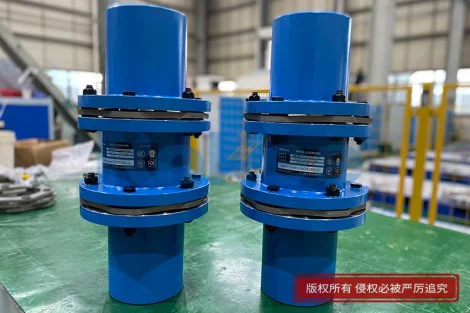
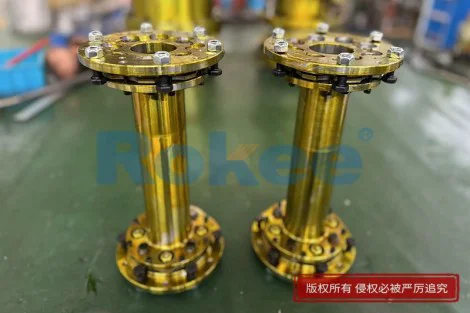
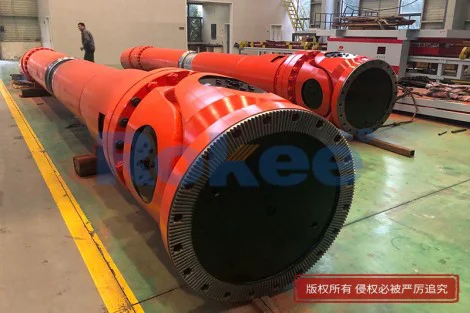
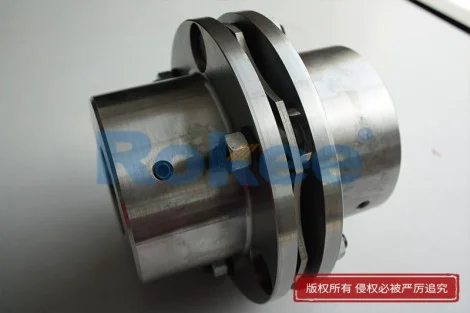
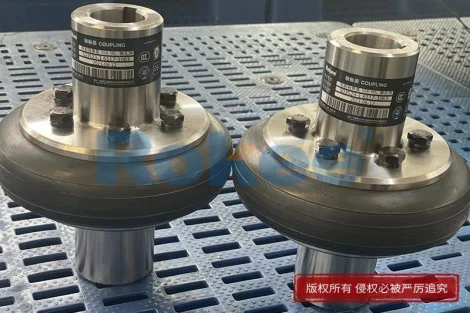
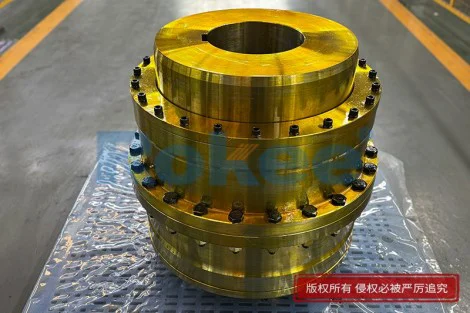
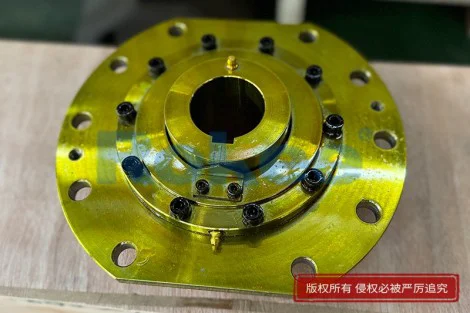
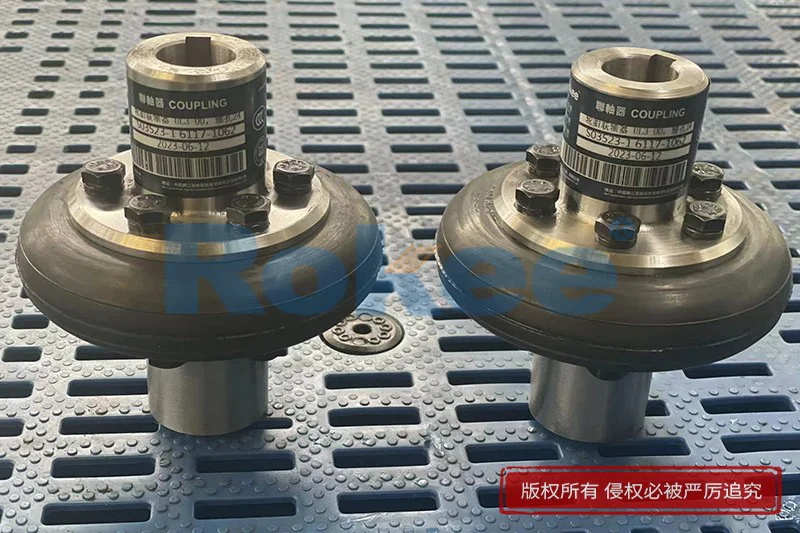
Diverse structural classifications endow flexible shaft couplings with targeted performance characteristics to adapt to complex industrial working conditions, with mainstream types covering elastomeric couplings, disc couplings, beam couplings, and gear couplings. Elastomeric flexible couplings rely on high-performance rubber or polyurethane elastic components to achieve flexibility, featuring excellent vibration damping and shock absorption capabilities. Their simple structural composition facilitates convenient installation and daily maintenance, making them widely applicable in light and medium-load equipment such as packaging machinery, small conveying devices, and general processing equipment. Disc couplings adopt stacked metal flexible sheets as the core force-bearing structure, realizing misalignment compensation through the micro-bending deformation of metal sheets. This structure delivers high torque transmission accuracy, stable high-speed operation performance, and strong fatigue resistance, suitable for high-precision and high-speed mechanical systems. Beam couplings adopt an integrated flexible structural design without assembly gaps, completely eliminating operational backlash and ensuring constant-speed torque transmission, which is ideal for precision transmission scenarios requiring high positional accuracy. Gear couplings utilize meshing gear structures with flexible matching gaps, boasting ultra-high torque bearing capacity and adaptability for heavy-load mechanical equipment, effectively coping with severe misalignment and impact loads in heavy industrial operation.
Material selection is a decisive factor affecting the performance, durability, and application scope of flexible shaft couplings, with different material combinations tailored to distinct operational environments and load requirements. Elastomer materials used in flexible components are specially engineered to balance elasticity, wear resistance, and aging resistance. Modified polyurethane materials feature high elasticity and tear resistance, maintaining stable buffering performance under frequent deformation and dynamic load cycles, while high-quality rubber materials excel in low-temperature flexibility and vibration absorption, adapting to low-temperature working environments. Metal frameworks and connecting hubs usually adopt high-strength alloy materials, which provide rigid structural support, excellent structural stability, and corrosion resistance, effectively resisting deformation under long-term high-load operation. Metal flexible sheet components of disc couplings use high-toughness stainless steel alloys, which can withstand repeated bending deformation without fatigue damage and maintain long-term transmission accuracy. For special working scenarios involving high temperature, humidity, or corrosive media, customized anti-corrosion and high-temperature resistant materials are applied to enhance environmental adaptability. Scientific material matching ensures that flexible shaft couplings maintain stable mechanical performance under complex working conditions and extend their service cycle.
The prominent functional advantages of flexible shaft couplings make them superior to rigid connection components in modern mechanical power transmission systems, bringing comprehensive optimization to equipment operation. First, their powerful misalignment tolerance solves the pain point of strict alignment requirements for traditional rigid couplings. Even with minor installation deviations or operational displacement changes, they can maintain smooth power transmission without generating additional mechanical stress, greatly reducing the difficulty of equipment installation and debugging. Second, their excellent vibration and shock damping performance can filter out high-frequency vibration generated by mechanical operation and buffer instantaneous impact torque, protecting precision bearings, gears, and other vulnerable components from impact damage. In addition, flexible shaft couplings can effectively reduce operational noise caused by shaft friction and rigid collision, improving the overall operating environment of mechanical equipment. They also feature simple structural design and convenient disassembly and assembly, which greatly reduces daily maintenance time and operational costs. Compared with rigid couplings that are prone to stress concentration and local wear, flexible couplings disperse mechanical load through elastic deformation, realizing uniform force bearing of transmission components and significantly improving the stability and reliability of long-term equipment operation.
Flexible shaft couplings have penetrated a wide range of industrial fields, serving as a core guarantee for stable operation of various mechanical power transmission systems. In general manufacturing and processing industries, they are applied to processing machinery, packaging equipment, and automated production lines, ensuring stable torque transmission during continuous cyclic operation of equipment and avoiding operational faults caused by vibration and misalignment. In material conveying systems, flexible couplings connect drive motors and conveying rollers, adapting to frequent startup, shutdown, and variable load working conditions, and resisting impact loads generated by material transportation. In power generation and energy equipment, they are used in generator sets and auxiliary power transmission devices, maintaining high-efficiency and stable operation of high-speed rotating equipment. In heavy industrial fields such as mining and crushing, high-load flexible coupling types bear huge torque and severe impact loads, protecting heavy-duty mechanical equipment from structural damage. Additionally, they are widely used in automotive mechanical transmission systems, precision automation equipment, and fluid power devices, providing reliable flexible connection solutions for diversified mechanical operation scenarios.
Reasonable installation and daily maintenance are crucial to maximizing the service performance and service life of flexible shaft couplings, standardized operation can effectively avoid premature failure and performance attenuation. During installation, basic shaft alignment calibration is still required despite the coupling’s misalignment tolerance, excessive initial misalignment will cause long-term over-deformation of flexible components, leading to accelerated fatigue wear. It is necessary to ensure that the connecting hubs are firmly fixed on the shaft, with no loose fit or eccentric installation, to avoid eccentric rotation and abnormal vibration during operation. After installation, a trial run is essential to check for abnormal noise, vibration, or jitter, and adjust alignment parameters in a timely manner to ensure optimal operating status. In daily maintenance, regular visual inspection of flexible components is needed to check for aging, cracking, deformation, or wear, and damaged elastic parts should be replaced promptly to avoid reduced buffering performance. For metal structural parts, regular cleaning is required to remove dust and impurities, and anti-corrosion maintenance should be done for equipment working in humid and corrosive environments. Regular inspection of connection tightness can prevent loose assembly caused by long-term vibration, ensuring long-term stable and efficient operation of the coupling.
With the continuous upgrading of modern mechanical equipment towards high precision, high speed, and high intelligence, the technical development of flexible shaft couplings is also advancing iteratively to adapt to evolving industrial demands. Current development trends focus on performance optimization, structural innovation, and environmental adaptability improvement. In terms of performance optimization, new composite materials are being applied to enhance the elasticity, fatigue resistance, and environmental tolerance of flexible components, enabling couplings to maintain stable performance under extreme working conditions such as high temperature, low temperature, and strong corrosion. Structurally, integrated lightweight designs are gradually replacing traditional split structures, reducing the overall weight of transmission components, lowering equipment operation energy consumption, and improving transmission efficiency. In addition, precision manufacturing processes are adopted to further reduce transmission backlash and improve torque transmission accuracy, meeting the higher precision requirements of intelligent automated equipment. Meanwhile, maintenance-free design concepts are increasingly integrated into product development, optimizing structural wear resistance and aging resistance to reduce later maintenance frequency and operational costs. As industrial mechanical systems continue to upgrade, flexible shaft couplings will continue to iterate in performance and structure, providing more efficient, stable, and durable connection solutions for modern industrial power transmission.