Heavy Duty Cardan Driveshaft
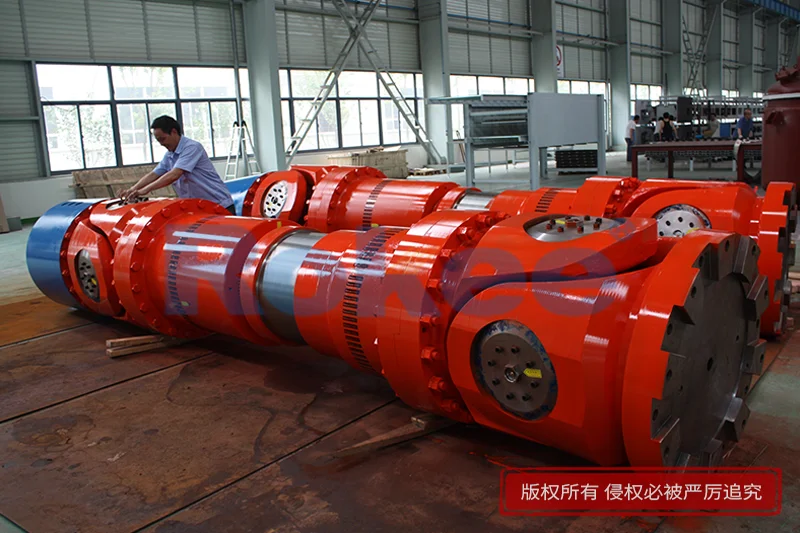
Heavy duty cardan driveshafts are robust mechanical transmission components engineered to deliver stable and efficient torque transfer across misaligned, offset, and dynamically moving shaft systems. Differing significantly from standard light-duty universal joint shafts, these heavy-duty units are purpose-built to withstand extreme operational stresses, including high continuous torque, sudden shock loads, frequent angular displacement, and harsh environmental interference. Serving as a core connecting link in mechanical transmission systems, they bridge power sources and working mechanisms, compensating for axial, radial, and angular deviations that inevitably occur during equipment operation. Widely applicable to heavy industrial machinery, construction equipment, mining devices, and large agricultural facilities, they prioritize structural durability, load-bearing capacity, and operational stability. With optimized mechanical structures and high-strength material configurations, modern heavy duty cardan driveshafts minimize power transmission loss, reduce mechanical vibration, and extend overall equipment service life, laying a solid foundation for the reliable long-term operation of heavy-load mechanical systems.
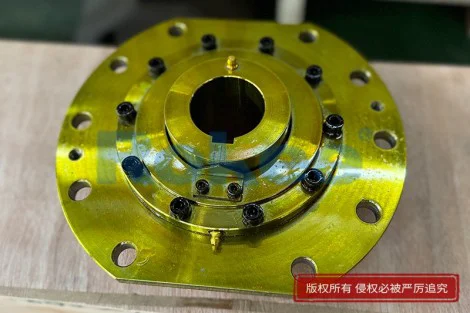
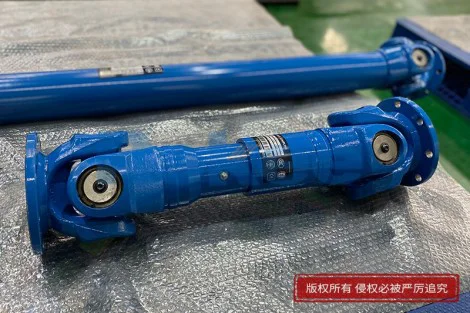
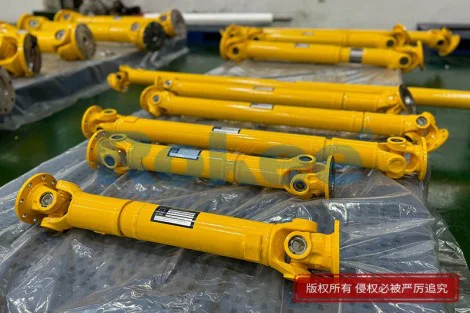
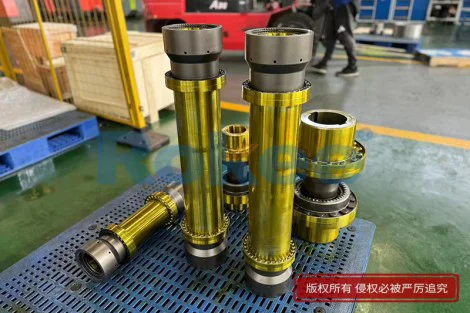
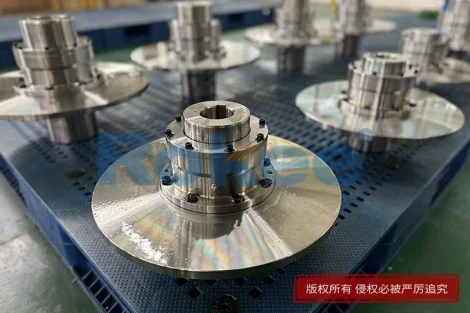
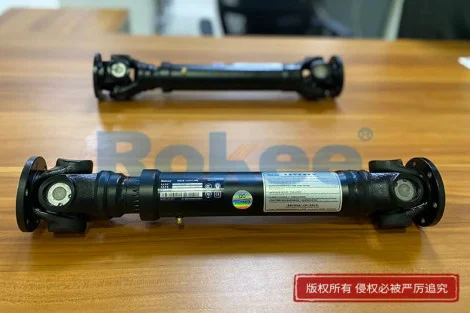
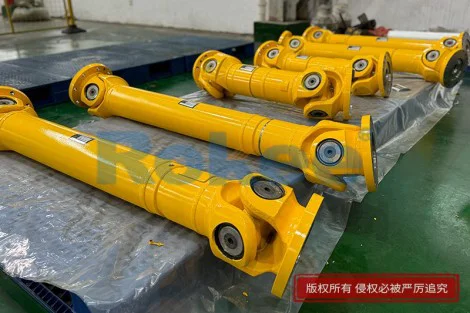
The fundamental structural composition of heavy duty cardan driveshafts is meticulously optimized to adapt to high-load and high-intensity working scenarios, distinguishing them from ordinary transmission shafts in every core component. The overall assembly mainly consists of high-strength shaft bodies, reinforced universal joint assemblies, thickened cross spiders, oversized roller bearing sets, and rigid flange connection structures. Each component undergoes precision forging and targeted structural reinforcement to eliminate structural weaknesses under extreme stress. The shaft body adopts thick-walled integral forging design, which effectively enhances torsional rigidity and bending resistance, avoiding deformation or fracture caused by long-term high-torque operation. The universal joint, as the core flexible transmission unit, is equipped with enlarged cross-shaped spindle structures and high-load-bearing bearings, enabling it to adapt to larger angular deflections while maintaining stable torque output. The flange connection parts feature enhanced structural rigidity and uniform force distribution, preventing loose connection and power attenuation under frequent mechanical vibration and impact loads. This integrated reinforced structure ensures that the driveshaft can maintain consistent transmission efficiency even in complex and variable working conditions.
Material selection is the core factor that determines the superior performance and long service life of heavy duty cardan driveshafts, with every raw material chosen to meet extreme load and durability requirements. Unlike ordinary driveshafts that adopt common carbon steel materials, heavy-duty models primarily utilize high-strength alloy steel with excellent mechanical properties, which features outstanding torsional resistance, impact toughness, and fatigue resistance. The base materials undergo strict smelting and purification processes to reduce internal impurities and structural defects, ensuring uniform mechanical performance of the entire shaft body. All core components including cross spiders and bearing sleeves are processed through professional heat treatment technologies such as quenching and tempering, which significantly improve surface hardness and internal toughness, effectively resisting wear, extrusion, and shear damage during long-term operation. Bearing rolling elements are made of high-precision bearing steel with low friction coefficient and high wear resistance, reducing operational friction loss while withstanding continuous cyclic loads. The scientific material matching system enables the driveshaft to cope with long-duration heavy-load operation, frequent start-stop impacts, and abrasive environmental wear without premature failure.
The core functional advantages of heavy duty cardan driveshafts are fully reflected in flexible power transmission and strong environmental adaptability, solving multiple pain points of traditional rigid transmission structures. The most prominent feature is their powerful misalignment compensation capability, which can flexibly adapt to angular deflection, axial displacement, and radial offset between the driving end and driven end of mechanical equipment. In actual operation, mechanical systems often produce positional deviations due to equipment vibration, structural settlement, or working stroke changes, and rigid transmission parts are prone to stress concentration and component damage. In contrast, the universal joint structure of cardan driveshafts can dynamically adjust the transmission angle in real time to ensure continuous and stable torque transmission without power interruption. Additionally, these driveshafts excel in shock absorption and load buffering. Their flexible connection structure can absorb part of instantaneous impact torque generated by equipment start-up, sudden load changes, or external mechanical impact, protecting motors, reducers, and other precision transmission components from overload damage. This unique functional advantage makes them irreplaceable in complex dynamic transmission scenarios.
Heavy duty cardan driveshafts are widely deployed in diverse heavy-industry and engineering scenarios, covering almost all mechanical equipment that requires high-power flexible transmission. In construction machinery, they serve as key transmission parts for large excavators, bulldozers, road rollers, and concrete mixing equipment, stably transmitting power under heavy-load walking and high-intensity working states. In the mining industry, they adapt to the harsh working conditions of dust, vibration, and variable loads, supporting the normal operation of mining conveyors, crushing equipment, and underground mining machinery. In agricultural engineering, they match large tractors, harvesters, and soil tillage equipment, maintaining efficient power output during field operation with uneven ground and complex resistance. Moreover, they are extensively used in industrial production equipment such as large fans, conveyor systems, and metallurgical machinery, providing reliable transmission support for continuous industrial production. Their strong scenario adaptability stems from their super load-bearing capacity, anti-vibration performance, and environmental durability, enabling stable operation in various severe working environments for a long time.
Precision manufacturing and rigorous processing standards endow heavy duty cardan driveshafts with superior operational accuracy and structural stability, ensuring consistent performance in long-term service. The entire production process adopts integrated precision machining technology, from raw material cutting and integral forging to finish turning, grinding, and component assembly, with strict dimensional tolerance control for every link. The shaft body undergoes dynamic balance calibration to eliminate unbalanced mass generated during processing, effectively reducing high-speed operation vibration and noise, and improving transmission smoothness. The matching surfaces of universal joints, bearings, and flanges are processed with high-precision finish to ensure tight fitting and uniform force bearing, avoiding local stress concentration caused by assembly gaps. After preliminary processing, all finished products undergo multiple performance tests, including torsional strength testing, fatigue life testing, and impact load testing, to screen out unqualified products. The standardized and refined manufacturing process not only improves the overall machining accuracy of the driveshaft but also ensures the consistency of batch product performance, laying a reliable foundation for industrial matching application.
Scientific daily maintenance and reasonable operation habits are crucial to extending the service life and maintaining stable performance of heavy duty cardan driveshafts. In daily equipment operation, operators should avoid long-term overload operation and frequent violent start-stop actions, as excessive instantaneous torque and continuous overload will accelerate component fatigue and wear. Regular inspection work includes checking the tightness of flange connecting fasteners to prevent loosening caused by long-term vibration, observing the wear state of universal joint bearings and cross spiders, and replenishing professional lubricating grease in a timely manner. Lubrication maintenance is particularly important—high-quality lubricants can reduce internal friction and wear, while effectively isolating dust, moisture, and corrosive substances in the external environment to prevent component rust and aging. In addition, regular dynamic balance detection and structural deviation correction should be carried out for driveshafts that have been used for a long time to avoid vibration amplification caused by structural deviation. Timely maintenance and minor fault repair can effectively avoid major mechanical failures, reduce equipment downtime, and improve the overall operational efficiency of mechanical systems.
With the continuous upgrading of heavy machinery and industrial equipment, the technological development of heavy duty cardan driveshafts is moving toward higher load capacity, higher transmission efficiency, and longer service life. Modern manufacturing technologies continue to optimize the structural design of driveshafts, adopting lightweight reinforced structures to reduce self-weight inertia while improving overall rigidity and load-bearing performance, which helps reduce equipment energy consumption. The application of new high-performance alloy materials and surface strengthening technologies further enhances the wear resistance, corrosion resistance, and fatigue resistance of products, adapting to more extreme working environments. In terms of functional optimization, new-generation driveshafts integrate better vibration damping and noise reduction structures, effectively improving the operating comfort and stability of mechanical equipment. Meanwhile, the modular design concept simplifies product installation, disassembly, and maintenance processes, reducing later maintenance costs. As the core component of heavy mechanical transmission systems, heavy duty cardan driveshafts will continue to iterate and upgrade with industrial technological progress, providing more efficient and reliable transmission solutions for modern heavy industry, engineering construction, and agricultural machinery fields.