Drum Coupling Supplier

In the complex ecosystem of industrial power transmission, drum couplings stand as indispensable components that bridge the gap between rotating shafts, ensuring seamless torque transfer while accommodating misalignments and mitigating operational vibrations. As a dedicated drum coupling supplier, the focus is on delivering high-performance, durable, and reliable solutions tailored to meet the diverse needs of various industrial sectors. From heavy-duty applications in metallurgy and mining to precision-driven operations in petroleum chemical industry and general machinery, the commitment to quality and customization has made it a trusted partner for businesses seeking efficient and long-lasting coupling solutions. This article delves into the core aspects of drum couplings, the value brought by a professional supplier, and the key considerations for selecting the right drum coupling to optimize industrial operations.
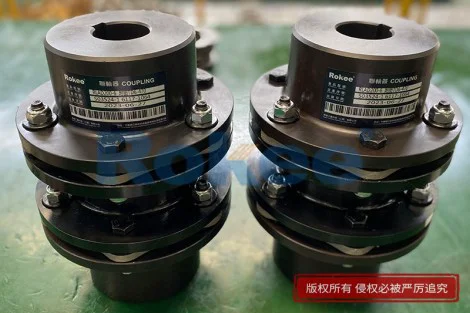
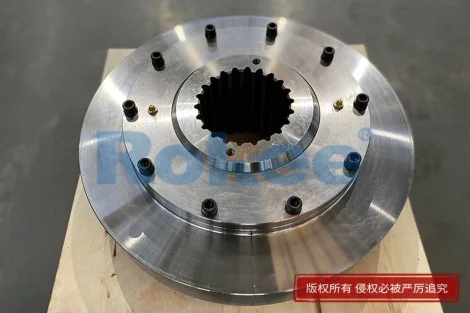
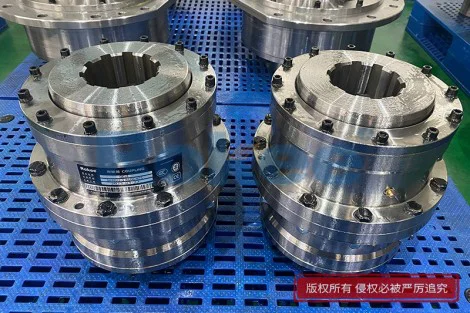
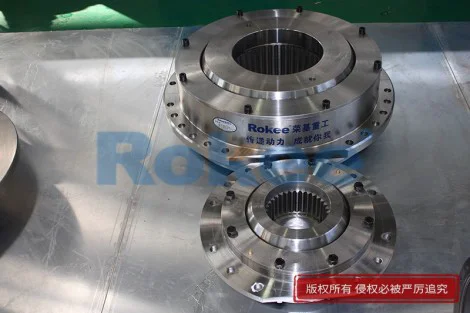
Drum couplings, as a type of rigid-flexible coupling, are engineered to transmit torque between two coaxial or slightly misaligned shafts through the meshing of inner and outer gear teeth. The distinctive drum-shaped design of the outer gear teeth—with the tooth top and tooth surface featuring an arc-shaped spherical structure—enables the coupling to compensate for radial, axial, and angular shaft deviations, a critical advantage in industrial settings where perfect alignment is often challenging to maintain. Unlike traditional straight-tooth couplings, drum couplings offer a larger contact area between teeth, typically 30% more, which enhances their load-bearing capacity and reduces wear during operation. This design also allows for a larger tooth clearance, approximately 1.5 to 2 times that of straight-tooth couplings, minimizing the risk of tooth edge extrusion and extending the service life of the component.
A professional drum coupling supplier understands that the performance of a coupling is directly tied to its material selection and manufacturing processes. High-quality drum couplings are typically crafted from robust materials such as 42CrMo alloy steel, ZG310-570 cast steel, or 45 steel, which undergo rigorous heat treatment processes including quenching and tempering, carburizing, and precision grinding. These processes ensure that the coupling components achieve a hardness range of 58-62HRC for the gear teeth and 220-250HB for the main body, striking a balance between strength, toughness, and wear resistance. The choice of material is tailored to the specific application: for corrosive environments such as chemical processing plants, stainless steel materials may be used to prevent rust and degradation, while for high-temperature applications, heat-resistant alloys are selected to maintain performance under extreme conditions. Additionally, the use of advanced machining equipment, such as CNC lathes and gear hobbing machines, ensures that each component meets strict dimensional accuracy requirements, with surface roughness Ra≤1.6μm for the gear teeth, guaranteeing smooth meshing and efficient torque transfer.
The versatility of drum couplings is reflected in their wide range of applications across various industrial sectors, and a reputable supplier is capable of providing solutions that cater to these diverse needs. In the metallurgical industry, drum couplings are widely used in rolling mills, continuous casting machines, and steelmaking converters, where they must withstand high torque, frequent impact loads, and compensate for the axial movement of rolls. For example, in hot-rolled strip production lines, drum couplings connect the reducer output shaft to the rolling mill rolls, ensuring stable power transmission even under the harsh conditions of high temperature and heavy load. In the mining industry, they are employed in ball mills, crushers, and mine hoists, where they adapt to low-speed, heavy-duty working conditions and tolerate the vibration and impact caused by ore processing. The coupling’s ability to absorb shocks and compensate for misalignments is crucial in these applications, as it reduces equipment wear and minimizes the risk of unexpected downtime.
In the lifting and transportation sector, drum couplings play a vital role in cranes, conveyor belts, and port machinery. Specifically designed drum couplings for crane drum systems connect the reducer input shaft to the wire rope drum, transmitting torque while restricting axial movement of the drum. Some models also integrate wear monitoring functions, providing early warning of potential component failure and ensuring operational safety. In the petroleum and chemical industry, drum couplings are used in compressors, pumps, and offshore drilling equipment, where they must operate reliably in corrosive environments. Sealed drum coupling designs, equipped with double-lip skeleton oil seals and labyrinth seals, prevent the intrusion of corrosive media and dust, protecting the gear teeth and extending the service life of the coupling. For high-speed applications such as gas turbines and wind turbines, precision-balanced drum couplings are used to ensure stable operation at speeds exceeding 3000r/min, minimizing vibration and reducing the load on bearings.
A key advantage of partnering with a professional drum coupling supplier is the ability to access customized solutions. Industrial operations vary significantly in terms of torque requirements, shaft sizes, installation space, and environmental conditions, and a one-size-fits-all approach is often insufficient. A reliable supplier works closely with clients to understand their specific needs, conducting a thorough analysis of the application scenario, including the required torque, operating speed, shaft diameter, misalignment compensation requirements, and working environment. Based on this analysis, the supplier can design and manufacture drum couplings with tailored specifications, such as custom shaft hole sizes, special material selections, or integrated functions like brake wheels for applications requiring frequent braking. For example, in vertical transmission systems such as vertical pumps and mixers, WGC series drum couplings are customized with reduced grease filling (up to 1/2 of the cavity) to prevent grease accumulation and ensure smooth operation. For long-distance transmission scenarios, GCLD series drum couplings with intermediate shafts are provided to extend the transmission distance while maintaining excellent misalignment compensation capabilities.
In addition to customization, a professional drum coupling supplier places great emphasis on quality control throughout the production process. From raw material inspection to final product testing, strict quality standards are implemented to ensure that each coupling meets the highest performance and reliability requirements. Raw materials are subjected to chemical composition analysis and mechanical property testing to verify their suitability for the intended application. During manufacturing, each component is inspected for dimensional accuracy using advanced measuring tools such as coordinate measuring machines (CMMs), ensuring that the gear teeth, shaft holes, and other critical features meet design specifications. After assembly, the couplings undergo rigorous performance testing, including torque testing, misalignment compensation testing, and vibration testing, to verify their load-bearing capacity, transmission efficiency, and operational stability. This comprehensive quality control process ensures that the couplings delivered to clients are free from defects and capable of performing reliably in harsh industrial environments.
Installation and maintenance support are also essential services provided by a reputable drum coupling supplier. Proper installation is critical to the performance and service life of drum couplings, and many suppliers offer detailed installation guidelines and on-site technical support to ensure that the couplings are installed correctly. The installation process typically involves cleaning the shaft holes and gear teeth to remove debris and rust, adjusting the alignment of the two shafts to ensure that radial, axial, and angular deviations are within the allowable range, applying the appropriate lubricant (such as 2# lithium-based grease) to reduce friction, and securing the coupling with high-strength bolts tightened to the specified torque. Suppliers also provide guidance on routine maintenance, including regular lubricant replacement (every 6-12 months), inspection of seals for leaks, and monitoring of vibration and noise to detect potential issues early. In the event of a malfunction, such as tooth wear, noise, or oil leakage, the supplier can provide troubleshooting support and replacement parts to minimize downtime and ensure the quick resumption of operations.
When selecting a drum coupling supplier, several key factors should be considered to ensure that the chosen partner can meet the specific needs of the business. First and foremost, the supplier’s experience and expertise in the field are crucial. A supplier with years of experience in designing and manufacturing drum couplings will have a deep understanding of the unique requirements of different industrial sectors and can provide valuable advice on product selection and customization. Additionally, the supplier’s production capacity and lead times are important considerations, especially for businesses with large-scale or time-sensitive projects. A supplier with advanced production facilities and efficient production processes can ensure timely delivery of high-quality couplings, avoiding delays in project execution.
Another important factor is the supplier’s commitment to customer service. A reliable supplier will prioritize customer satisfaction, providing responsive communication, technical support, and after-sales service. This includes assisting with product selection, providing detailed technical documentation, and offering prompt support in the event of any issues. Additionally, the supplier’s ability to adapt to changing market needs and technological advancements is crucial. As industrial technology evolves, new materials, designs, and manufacturing processes are continuously being developed, and a forward-thinking supplier will invest in research and development to incorporate these advancements into their products, ensuring that clients have access to the latest and most efficient drum coupling solutions.
In conclusion, drum couplings are critical components in industrial power transmission, and partnering with a professional and reliable drum coupling supplier is essential for ensuring the efficiency, reliability, and longevity of industrial operations. A reputable supplier offers high-quality, customized drum couplings crafted from premium materials and manufactured to strict quality standards, catering to the diverse needs of various industrial sectors. From metallurgy and mining to petroleum chemical industry and general machinery, the right drum coupling supplier can provide tailored solutions that optimize torque transfer, compensate for misalignments, and reduce equipment wear, ultimately helping businesses improve operational efficiency and reduce downtime. By considering factors such as experience, production capacity, customization capabilities, and customer service, businesses can select a supplier that meets their specific needs and forms a long-term, mutually beneficial partnership. As industrial operations continue to evolve, the role of the drum coupling supplier will remain crucial, providing innovative and reliable solutions to support the growth and development of various industries.