Cardan Coupling for PUF Sandwich Panel Production Machine Installation and Commissioning Guide
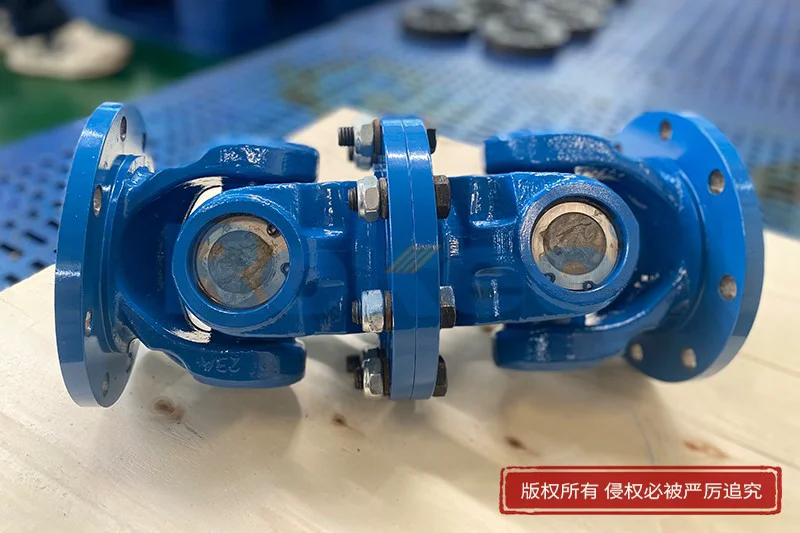
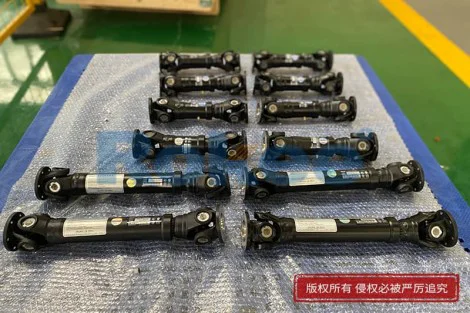
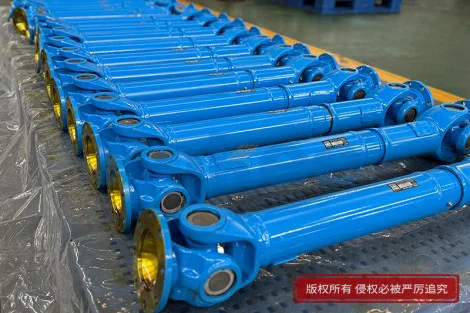
In the modern manufacturing industry, PUF sandwich panels have become essential materials in various fields such as construction, cold storage, and prefabricated buildings, thanks to their excellent thermal insulation, structural stability, and lightweight properties. The production of these panels relies on sophisticated and integrated PUF sandwich panel production machines, which consist of multiple subsystems including uncoiling, roll forming, preheating, foaming, lamination, curing, and cutting. Each subsystem requires stable and precise power transmission to ensure the consistency of product quality and the efficiency of the entire production process. Among the key components that ensure smooth power transmission in these machines, the cardan coupling, also known as the universal joint coupling, plays an irreplaceable role. Its unique structural design allows it to transmit torque reliably between two shafts that are not perfectly aligned, compensating for angular, radial, and axial deviations that may occur during the operation of the production machine. To ensure that the cardan coupling functions optimally, extends its service life, and guarantees the stable operation of the PUF sandwich panel production machine, proper installation and scientific commissioning are crucial. This guide provides a detailed and practical overview of the installation and commissioning process of cardan couplings for PUF sandwich panel production machines, covering key steps, precautions, and common troubleshooting methods, all while adhering to the principles of safety, accuracy, and operability.
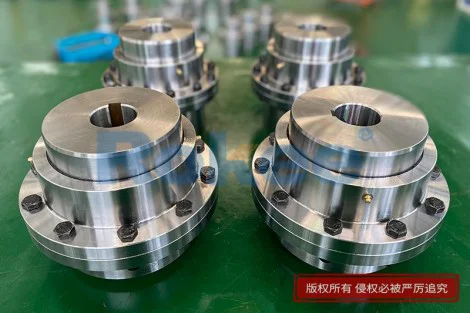
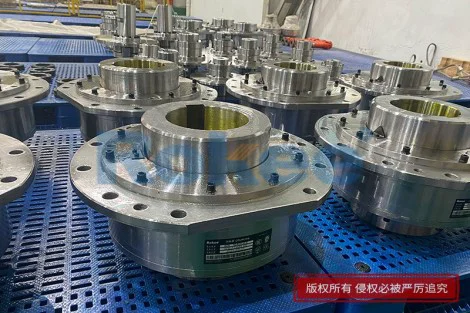
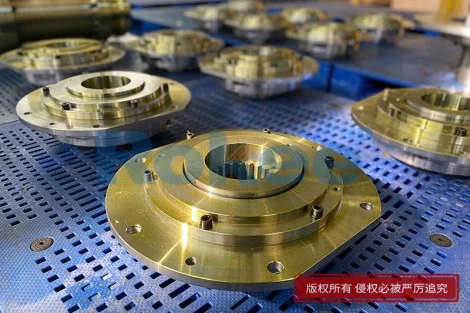
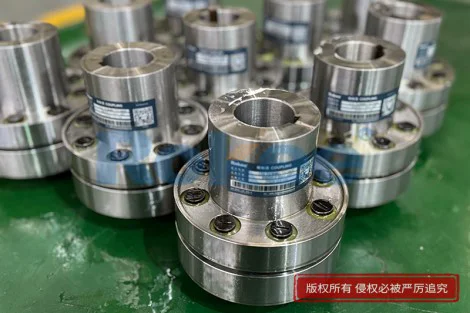
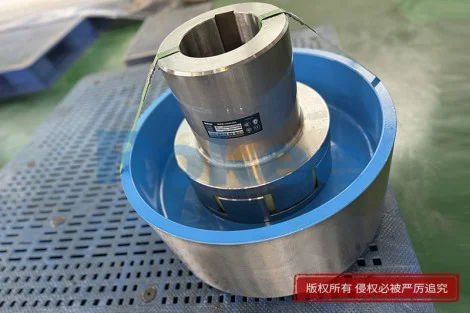
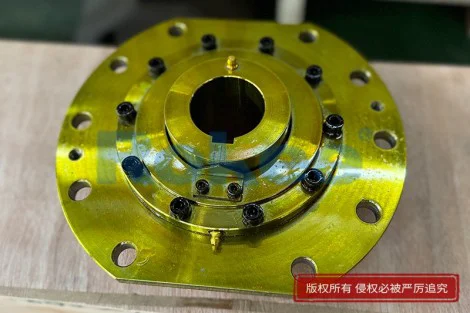
Before initiating the installation of the cardan coupling, thorough preparation work is essential to avoid potential issues during the installation process and ensure the smooth progress of the entire operation. The first step in preparation is to conduct a comprehensive inspection of the cardan coupling itself. This inspection should focus on checking for any visible damage, such as cracks, deformations, or wear on the key components, including the cross shaft, yokes, bearings, and connecting flanges. The cross shaft, as the core component of the cardan coupling, should be inspected for straightness and the integrity of its surface; any signs of corrosion or scratches should be addressed before installation. The bearings, which are critical for the flexible rotation of the coupling, should be checked for smoothness of movement, ensuring there is no jamming or excessive play. Additionally, the connecting flanges should be inspected for flatness and the accuracy of the bolt holes, as any irregularities in these areas can lead to misalignment during installation, affecting the transmission performance of the coupling. It is also important to verify that the size of the cardan coupling matches the specifications of the PUF sandwich panel production machine’s driving and driven shafts, including the shaft diameter, keyway size, and fit tolerance. Mismatched sizes can result in unstable connections, excessive vibration, and even damage to the coupling or the machine’s shafts.
In addition to inspecting the cardan coupling, the installation site and related equipment should also be prepared. The installation area should be clean, tidy, and free of debris, dust, or any obstacles that could interfere with the installation process. This is particularly important because foreign objects entering the coupling during installation can cause friction, wear, or even jamming during operation. The driving and driven shafts of the PUF sandwich panel production machine should be thoroughly cleaned to remove any rust, oil, grease, or dirt from the surface. Rust and dirt can affect the fit between the coupling and the shafts, leading to poor torque transmission and potential slippage. A wire brush or sandpaper can be used to remove rust, while a clean cloth dipped in a suitable cleaning agent can be used to wipe away oil and grease. After cleaning, the shafts should be dried completely to prevent moisture from causing corrosion or affecting the effectiveness of lubricants. It is also necessary to check the alignment of the driving and driven shafts before installing the coupling. Even minor misalignment can have a significant impact on the performance and service life of the cardan coupling, so it is important to ensure that the shafts are aligned as closely as possible in terms of both angular and parallel alignment. A straightedge, dial indicator, or laser alignment tool can be used to measure the alignment, and any adjustments should be made to the machine’s mounting brackets or feet to correct misalignment before proceeding with the installation.
Lubrication is another critical aspect of the preparation work. Proper lubrication ensures the smooth rotation of the cardan coupling’s components, reduces friction and wear, and prevents overheating during operation. The type of lubricant used should be selected based on the operating conditions of the PUF sandwich panel production machine, including the operating temperature, load, and speed. Generally, high-temperature resistant and anti-wear lubricating grease is recommended for cardan couplings used in PUF sandwich panel production machines, as these machines often operate continuously at moderate to high speeds and may be exposed to varying temperatures during the foaming and curing processes. Before installation, the lubrication points of the coupling, including the bearings and cross shaft, should be filled with the appropriate amount of lubricant. It is important to avoid over-lubrication, which can lead to excessive grease buildup and overheating, as well as under-lubrication, which can cause increased friction and premature wear. The lubricant should be applied evenly to all moving parts, ensuring that every contact surface is properly coated.
Once the preparation work is completed, the installation of the cardan coupling can begin. The installation process should be carried out in a systematic and careful manner to ensure that all components are properly assembled and aligned. The first step in installation is to mount the coupling halves onto the driving and driven shafts. Depending on the type of fit between the coupling and the shafts (e.g., transition fit or interference fit), different installation methods may be used. For transition fits with minimal interference, the coupling can be mounted directly onto the shaft by hand or with the help of a soft hammer (such as a rubber or copper hammer) to avoid damaging the coupling or the shaft. For interference fits, a heating method may be required to expand the coupling’s inner hole, making it easier to slide onto the shaft. The heating process should be controlled carefully to avoid overheating, which can damage the coupling’s material and affect its structural integrity. Common heating methods include electric heating, hot oil immersion, or flame heating, but it is important to ensure that the heating is uniform and that the temperature does not exceed the recommended limit for the coupling’s material. After heating, the coupling should be quickly and carefully slid onto the shaft to the correct position before it cools and contracts. Once the coupling halves are in place, they should be secured using the appropriate keys and set screws or bolts, ensuring that they are tightly fastened to prevent slippage during operation.
After mounting the coupling halves onto the shafts, the next step is to connect the two halves of the cardan coupling. This typically involves aligning the yokes of the two coupling halves and inserting the cross shaft. The cross shaft should be inserted into the yokes carefully, ensuring that it fits smoothly and that the bearings are properly seated in the yoke bores. It is important to ensure that the cross shaft is aligned correctly with the yokes to avoid binding or excessive stress during rotation. Once the cross shaft is in place, the retaining pins or clips should be installed to secure it, preventing it from slipping out during operation. After connecting the two coupling halves, a final check of the alignment should be performed. This check should include both angular and parallel alignment, using the same tools as during the preparation phase (straightedge, dial indicator, or laser alignment tool). Any misalignment detected should be corrected immediately by adjusting the position of the machine’s shafts or the coupling itself. Even small deviations can lead to increased vibration, noise, and wear, so it is crucial to achieve precise alignment.
During the installation process, it is important to follow several key precautions to ensure safety and avoid damage to the coupling or the production machine. First, all installation work should be carried out with the production machine turned off and disconnected from the power source to prevent accidental startup, which could cause serious injury or equipment damage. Second, proper tools should be used for installation, and brute force should be avoided. Using improper tools or excessive force can damage the coupling’s components, such as bending the cross shaft or damaging the bearings. Third, the coupling should be installed in a way that allows for thermal expansion and contraction during operation. PUF sandwich panel production machines generate heat during operation, which can cause the shafts and coupling to expand. Therefore, it is important to leave a small gap between the coupling halves or use a telescopic cardan coupling if necessary to accommodate this expansion, preventing excessive stress on the coupling and shafts. Fourth, all fasteners (such as bolts, set screws, and retaining pins) should be tightened to the recommended torque to ensure a secure connection. Loose fasteners can lead to vibration, noise, and even disconnection of the coupling during operation, which can cause serious damage to the production machine.
Once the installation is completed, the commissioning process begins. Commissioning is a critical step to verify that the cardan coupling is installed correctly, functions properly, and integrates seamlessly with the PUF sandwich panel production machine. The commissioning process should be carried out in a step-by-step manner, starting with a visual inspection and proceeding to static and dynamic tests. The first step in commissioning is a visual inspection of the installed coupling. This inspection should check for any loose fasteners, misalignment, or signs of damage that may have occurred during installation. The lubrication points should also be checked to ensure that the lubricant is properly applied and that there are no leaks. Additionally, the coupling should be rotated by hand to check for smoothness of movement, ensuring there is no jamming, binding, or excessive play. Any abnormalities detected during the visual inspection should be addressed before proceeding to the next step.
The next step in commissioning is the static test. During the static test, the production machine is turned on but not put into full operation, allowing the coupling to rotate at a low speed. This test is designed to check the alignment of the coupling and the stability of the connection. During the static test, the operator should monitor the coupling for any vibration, noise, or overheating. A vibration meter can be used to measure the vibration levels, which should be within the acceptable range for the coupling and the production machine. Excessive vibration may indicate misalignment, loose fasteners, or damage to the coupling components. Noise, such as squeaking or grinding, may indicate insufficient lubrication or worn bearings. Overheating can be detected by touching the coupling (carefully to avoid burns) or using a temperature sensor; excessive heat may indicate friction due to misalignment or insufficient lubrication. If any of these issues are detected during the static test, the machine should be turned off immediately, and the problem should be identified and corrected before proceeding.
After the static test is completed successfully, the dynamic test can be carried out. The dynamic test involves operating the PUF sandwich panel production machine at its normal operating speed and load, simulating actual production conditions. During the dynamic test, the operator should continuously monitor the cardan coupling for any abnormalities, including vibration, noise, overheating, or oil leaks. The test should be conducted for a sufficient period of time (typically several hours) to ensure that the coupling can withstand the normal operating conditions of the production machine. During the test, it is also important to check the torque transmission efficiency of the coupling, ensuring that power is transmitted smoothly and efficiently from the driving shaft to the driven shaft. This can be verified by monitoring the performance of the production machine’s subsystems, such as the speed of the roll forming section or the consistency of the foaming process. If the machine operates smoothly without any issues, the coupling is considered to be commissioned successfully. However, if any abnormalities are detected during the dynamic test, the machine should be shut down, and the cause of the problem should be investigated and resolved. Common issues during the dynamic test include excessive vibration due to misalignment, overheating due to insufficient lubrication, and noise due to worn bearings or loose fasteners.
In addition to the basic commissioning steps, it is also important to conduct a series of performance tests to ensure that the cardan coupling meets the requirements of the PUF sandwich panel production machine. These tests include torque capacity testing, speed testing, and durability testing. Torque capacity testing involves measuring the maximum torque that the coupling can transmit without damage, ensuring that it can handle the peak torque generated by the production machine during operation. Speed testing involves operating the coupling at various speeds to ensure that it can rotate smoothly and stably without excessive vibration or noise. Durability testing involves operating the coupling continuously for an extended period of time to simulate long-term production conditions, ensuring that it can maintain its performance and integrity over time. These tests are particularly important for ensuring the reliability and longevity of the cardan coupling, as PUF sandwich panel production machines often operate continuously for long hours, placing significant stress on the coupling.
Proper maintenance and troubleshooting are essential for ensuring the long-term performance and service life of the cardan coupling. After the coupling is commissioned and put into use, regular maintenance should be carried out according to a predetermined schedule. This maintenance should include regular inspections of the coupling’s components, such as the cross shaft, bearings, yokes, and fasteners, to check for wear, damage, or looseness. The lubrication system should also be checked regularly, and the lubricant should be replaced at the recommended intervals to ensure that all moving parts are properly lubricated. Additionally, the alignment of the coupling should be checked periodically, as misalignment can occur over time due to thermal expansion, machine vibration, or foundation settling. Any misalignment detected should be corrected immediately to prevent excessive wear and damage to the coupling and the production machine.
When troubleshooting issues with the cardan coupling, it is important to follow a systematic approach to identify the root cause of the problem. Common issues include excessive vibration, noise, overheating, and torque transmission failure. Excessive vibration is often caused by misalignment of the coupling or shafts, loose fasteners, or unbalanced components. To resolve this issue, the alignment should be checked and corrected, and all fasteners should be tightened to the recommended torque. If the vibration persists, the coupling components should be inspected for wear or damage, and any damaged parts should be replaced. Noise, such as squeaking or grinding, is typically caused by insufficient lubrication, worn bearings, or misalignment. Adding the appropriate lubricant or replacing worn bearings can often resolve this issue. Overheating can be caused by insufficient lubrication, misalignment, or excessive load. Checking the lubrication levels, correcting misalignment, and reducing the load on the machine can help resolve overheating issues. Torque transmission failure, which can result in the production machine not operating properly, is often caused by a broken cross shaft, worn yokes, or loose fasteners. In such cases, the damaged components should be replaced immediately, and the coupling should be re-aligned and re-commissioned before putting the machine back into operation.
It is also important to note that the service life of the cardan coupling can be extended by following proper installation, commissioning, and maintenance practices. Avoiding excessive load, ensuring proper alignment, and maintaining adequate lubrication are key factors in extending the coupling’s service life. Additionally, the coupling should be protected from harsh environmental conditions, such as extreme temperatures, moisture, and corrosive substances, which can damage the components and reduce performance. In PUF sandwich panel production facilities, where the coupling may be exposed to foam residues or cleaning agents, it is important to clean the coupling regularly to prevent the buildup of debris, which can cause friction and wear.
In conclusion, the cardan coupling is a critical component in PUF sandwich panel production machines, ensuring stable and efficient power transmission between misaligned shafts. Proper installation and commissioning are essential to ensure that the coupling functions optimally, extends its service life, and guarantees the smooth operation of the production machine. By following the steps outlined in this guide, including thorough preparation, careful installation, systematic commissioning, and regular maintenance, operators can ensure that the cardan coupling performs reliably and effectively. This not only reduces the risk of equipment downtime and maintenance costs but also ensures the consistency and quality of the PUF sandwich panels produced. Whether installing a new cardan coupling or maintaining an existing one, adhering to these guidelines will help maximize the performance and longevity of the coupling, contributing to the overall efficiency and productivity of the PUF sandwich panel production process.