Universal Coupling for PUF Sandwich Panel Machinery Excellent Impact Resistance
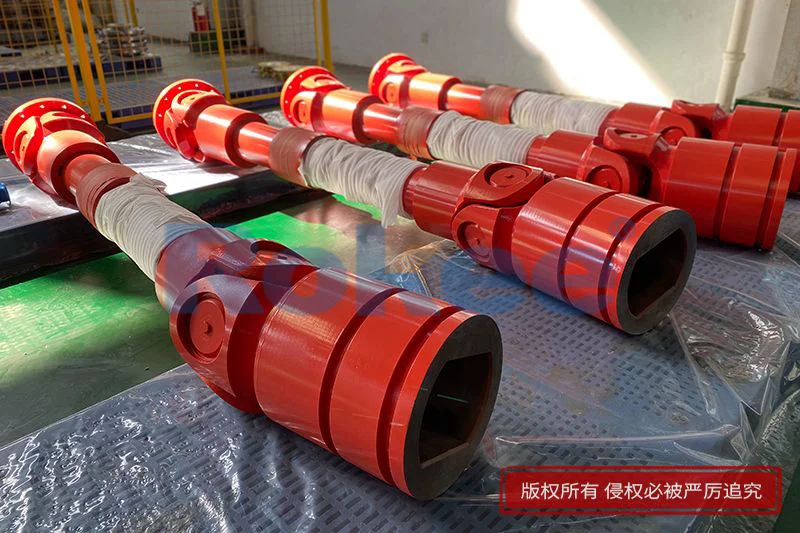
In the modern construction and manufacturing industries, PUF (Polyurethane Foam) sandwich panels have become indispensable materials due to their exceptional thermal insulation, structural stability, lightweight properties, and durability. These panels, composed of two outer facing materials and a rigid PUF foam core, are widely used in external walls, roofs, cold storage facilities, prefabricated buildings, and various industrial structures, driving the continuous development and innovation of their production technology. Behind the efficient and high-quality production of PUF sandwich panels lies a complex integrated system of machinery, where each component plays a crucial role in ensuring the smooth operation of the entire production line. Among these components, the universal coupling stands out as a key power transmission element, particularly valued for its excellent impact resistance, which is essential for adapting to the harsh working environment of PUF sandwich panel machinery.
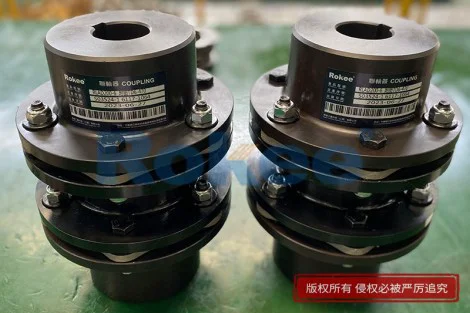
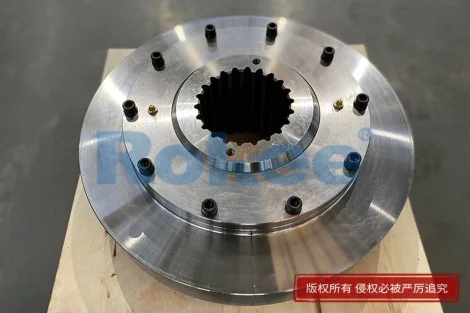
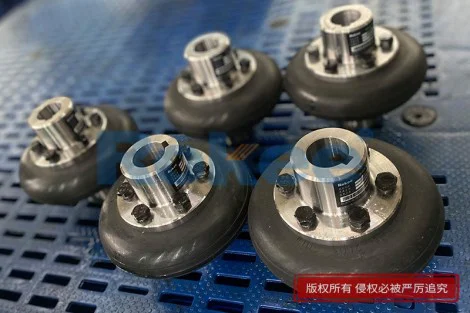
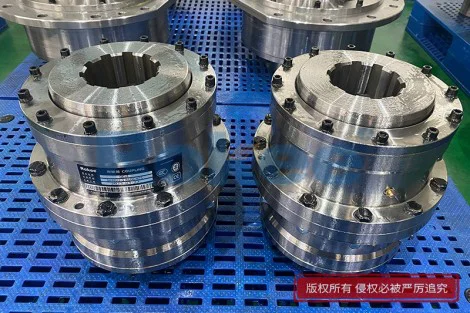
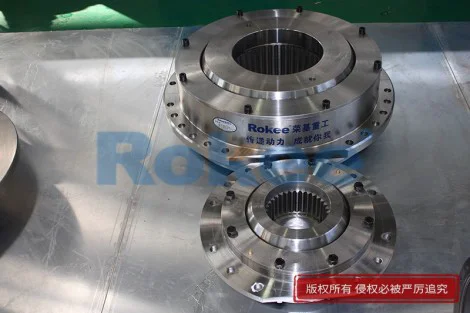
A universal coupling, also known as a universal joint or U-joint, is a mechanical device designed to connect two rigid shafts whose axes are inclined to each other, enabling the transmission of rotary motion and torque between them. Unlike rigid couplings that require precise alignment between connected shafts, universal couplings are engineered to accommodate angular, axial, and in some cases, radial misalignments, making them versatile solutions for scenarios where perfect shaft alignment is either impractical or impossible to maintain. This flexibility is particularly critical in PUF sandwich panel machinery, where the layout of various subsystems—such as uncoiling, roll forming, foaming, lamination, and cutting—often results in shafts being positioned at different angles due to the limitations of the production process and equipment structure. The universal coupling effectively bridges these misaligned shafts, ensuring that power is transmitted smoothly and efficiently from the motor to each executing component, thereby maintaining the consistency of production and the quality of the final PUF sandwich panels.
The excellent impact resistance of universal couplings used in PUF sandwich panel machinery is not an accidental feature but a result of careful design, precise engineering, and the selection of high-quality materials. To understand why these couplings excel in impact resistance, it is necessary to first examine the working environment of PUF sandwich panel machinery, which imposes unique challenges on the power transmission components. PUF sandwich panel production is a continuous and automated process that involves multiple high-load operations: the uncoiling system feeds heavy metal coils into the production line, the roll forming system applies significant pressure to shape the metal facings, the foaming system operates under specific temperature and pressure conditions, and the cutting system handles the precise cutting of large and rigid panels. These operations generate frequent and sudden impact loads, vibrations, and torque fluctuations, which can easily damage ordinary coupling components that lack sufficient impact resistance. Over time, such impacts can lead to coupling deformation, wear, or even failure, resulting in production downtime, increased maintenance costs, and reduced product quality. Therefore, the universal coupling used in this machinery must be able to withstand these harsh conditions, absorbing and dissipating impact energy effectively while maintaining stable power transmission.
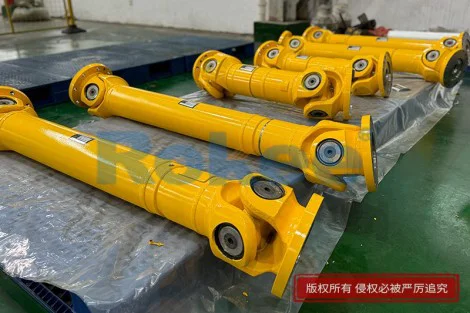
The structural design of universal couplings is a key factor contributing to their excellent impact resistance. A typical universal coupling consists of two yokes (forks) fixed to the driving and driven shafts, a cross shaft (spider) that connects the two yokes, and needle roller bearings or plain bearings at the intersection points of the yokes and the cross shaft. This cross-shaft structure is inherently robust, allowing for flexible rotation while maintaining high structural integrity. The yokes are designed to distribute impact loads evenly across the entire structure, preventing stress concentration at any single point, which is a common cause of component failure under impact. The cross shaft, as the core component for torque transmission, is engineered with a thick, durable structure that can withstand sudden torque spikes and impact forces without bending or breaking. Additionally, the bearings used in the coupling are selected for their high load-bearing capacity and shock resistance, ensuring smooth rotation even under heavy impact loads. These bearings reduce friction between the moving parts, minimizing wear and tear and further enhancing the coupling’s ability to withstand repeated impacts over an extended service life.
Material selection is another critical aspect that determines the impact resistance of universal couplings for PUF sandwich panel machinery. To withstand the frequent impact loads and harsh working conditions, the components of the universal coupling are typically made of high-strength alloy steels, such as 45 steel, 40 chromium, or forged alloy steels. These materials possess excellent mechanical properties, including high tensile strength, hardness, and fatigue resistance, which enable them to absorb and dissipate impact energy effectively. After undergoing precise heat treatment processes—such as quenching and tempering—the materials become even more durable, with enhanced resistance to deformation and wear. The heat treatment process optimizes the microstructure of the steel, improving its toughness and reducing brittleness, which is essential for withstanding sudden impacts without fracturing. In some cases, for heavy-duty PUF sandwich panel machinery that operates under extremely high impact loads, the universal coupling components may be made of special alloy materials or reinforced with additional structural elements to further enhance their impact resistance. Unlike ordinary carbon steels, which may crack or deform under heavy impacts, these high-strength alloy materials ensure that the universal coupling remains stable and reliable even in the most demanding working environments.
The impact resistance of universal couplings is also enhanced by their ability to compensate for misalignments and absorb vibrations, which are common sources of impact in PUF sandwich panel machinery. During the operation of the production line, the machinery may experience slight shifts in position due to thermal expansion, vibration, or manufacturing errors, leading to changes in the relative alignment of the shafts. The universal coupling’s ability to accommodate angular misalignments—typically between 5° and 45° depending on the design—allows it to adapt to these changes without transferring excessive stress or impact to the connected components. This flexibility reduces the likelihood of sudden impact loads caused by misalignment, as the coupling can adjust its position to maintain smooth power transmission. Additionally, the coupling acts as a buffer, absorbing vibrations generated by the machinery and reducing their impact on the transmission system. Vibrations can cause repeated stress on the coupling and other components, leading to fatigue and failure over time. By absorbing these vibrations, the universal coupling extends its own service life and protects the entire power transmission system from damage.
In practical applications, the excellent impact resistance of universal couplings for PUF sandwich panel machinery translates into numerous tangible benefits for manufacturers. One of the most significant benefits is increased production efficiency. By withstanding frequent impact loads and maintaining stable operation, the universal coupling reduces the frequency of equipment breakdowns and production downtime. This allows the production line to operate continuously, ensuring that PUF sandwich panels are produced at a consistent rate, meeting the demands of customers and reducing losses associated with unplanned downtime. Additionally, the reduced maintenance requirements of these couplings contribute to lower operational costs. Since the universal coupling is highly resistant to impact and wear, it requires less frequent inspection, lubrication, and replacement compared to ordinary couplings. This not only saves time and labor but also reduces the cost of spare parts, making the production process more cost-effective.
Another key benefit of the universal coupling’s impact resistance is improved product quality. The smooth and stable power transmission ensured by the coupling is essential for maintaining the precision of each production process. For example, in the roll forming process, consistent power transmission ensures that the metal facings are shaped uniformly, with precise dimensions and no defects. In the foaming process, stable power transmission ensures that the PUF foam is evenly distributed and cured, resulting in a core that is strong and uniform in density. Any disruption in power transmission due to coupling failure or impact-related damage can lead to defects in the PUF sandwich panels, such as uneven thickness, poor bonding between the facings and the core, or structural weaknesses. By maintaining stable power transmission even under impact loads, the universal coupling helps to ensure that the final product meets the required quality standards, enhancing the reputation of the manufacturer and increasing customer satisfaction.
The adaptability of universal couplings to different types of PUF sandwich panel machinery further highlights their value. PUF sandwich panel machinery comes in various sizes and configurations, depending on the specific production requirements—such as the width and thickness of the panels, the type of facing materials, and the production capacity. Universal couplings can be customized to suit these different configurations, with variations in size, torque capacity, and angular compensation range. Regardless of the machinery’s specifications, the universal coupling’s inherent impact resistance ensures that it can adapt to the unique working conditions of each production line. For example, in high-capacity production lines that handle heavy metal coils and operate at high speeds, the universal coupling is designed to withstand larger impact loads and higher torque, while in smaller production lines, a more compact coupling with excellent impact resistance can be used to save space without compromising performance.
It is also important to note that the excellent impact resistance of universal couplings does not come at the expense of other performance characteristics. These couplings maintain high transmission efficiency—typically above 98%—ensuring that minimal energy is lost during power transmission. This efficiency is crucial for reducing energy consumption and lowering operational costs, which is a key consideration for manufacturers in today’s competitive market. Additionally, universal couplings have a compact structure, making them suitable for use in PUF sandwich panel machinery where installation space is often limited. Their simple and robust design also makes them easy to install and maintain, further enhancing their practicality and usability.
To fully leverage the impact resistance of universal couplings in PUF sandwich panel machinery, proper installation and maintenance are essential. During installation, it is important to ensure that the coupling is aligned correctly within the allowable angular range, as excessive misalignment can increase stress and reduce the coupling’s impact resistance over time. Proper lubrication of the bearings is also critical, as it reduces friction and wear, ensuring smooth operation and extending the coupling’s service life. Regular inspection of the coupling components—including the yokes, cross shaft, and bearings—can help to identify any signs of wear, deformation, or damage early, allowing for timely maintenance or replacement before a major failure occurs. By following these best practices, manufacturers can maximize the performance and lifespan of the universal coupling, ensuring that it continues to provide excellent impact resistance and reliable power transmission for years to come.
In conclusion, the universal coupling is an indispensable component in PUF sandwich panel machinery, and its excellent impact resistance is a key factor in ensuring the smooth, efficient, and high-quality operation of the production line. Through its robust structural design, high-quality material selection, and ability to compensate for misalignments and absorb vibrations, the universal coupling can withstand the frequent impact loads and harsh working conditions of PUF sandwich panel production. This impact resistance translates into increased production efficiency, lower maintenance costs, and improved product quality, making it a valuable investment for manufacturers. As the demand for PUF sandwich panels continues to grow, the role of the universal coupling in ensuring reliable power transmission will only become more important. By continuously optimizing the design and material selection of universal couplings, manufacturers can further enhance their impact resistance and adaptability, meeting the evolving needs of the PUF sandwich panel industry and driving its continued development.