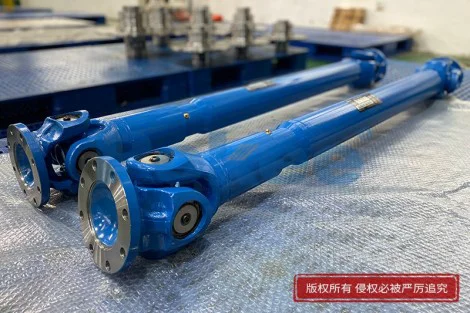
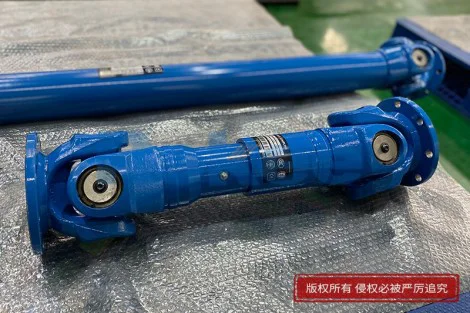
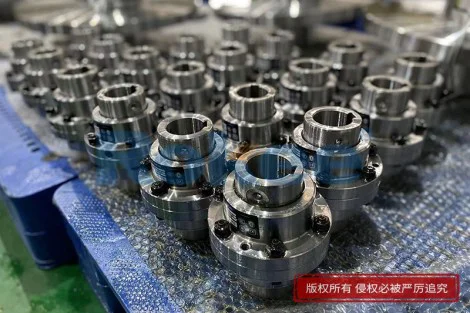
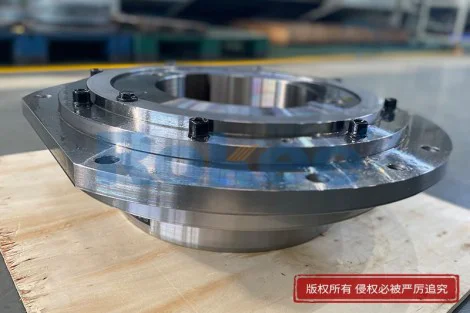
Flexible Coupling For Gearbox

Flexible couplings serve as indispensable core components in gearbox transmission systems, acting as a critical connecting medium between gearboxes and driving or driven mechanical shafts. Unlike rigid coupling structures that pursue absolute shaft alignment, flexible coupling designs integrate elastic compensation and vibration damping functions, effectively resolving common mechanical problems in gearbox operation including shaft misalignment, torsional vibration, impact load transfer, and axial displacement. In complex industrial operating environments, tiny deviations in shaft installation, mechanical wear during long-term operation, and thermal deformation caused by temperature changes will lead to inconsistent coaxiality of transmission shafts. Without flexible buffering structures, these deviations will generate huge additional mechanical stress on gearbox gears, bearings and shaft components, accelerating part wear and reducing transmission stability. Flexible couplings balance efficient torque transmission and mechanical protection, maintaining the high-precision and stable operation of gearbox systems while extending the overall service life of transmission equipment, and are widely adapted to various mechanical scenarios relying on gearbox power output.
The basic working mechanism of flexible couplings for gearboxes centers on elastic deformation and structural displacement compensation, which fundamentally optimizes the operating state of gearbox transmission systems. During the power transmission process of gearboxes, torque is transmitted from the driving shaft to the coupling, and then stably transferred to the driven shaft through the coupling’s flexible structure. The unique structural design of flexible couplings allows slight elastic deformation and relative displacement during operation, which can effectively absorb and offset three common types of shaft misalignment in gearbox systems: parallel offset, angular deflection, and axial displacement. These misalignments are almost inevitable in mechanical assembly and long-term operation, resulting from manual installation errors, equipment base settlement, thermal expansion and contraction of metal materials, and gradual component wear. Rigid transmission connections will directly transfer the stress generated by misalignment to the internal gear and bearing structures of the gearbox, causing abnormal noise, operation jitter, and even fatigue damage of key components. In contrast, flexible couplings isolate and release these abnormal stresses through their flexible characteristics, ensuring that the gearbox always operates under uniform and stable load conditions, avoiding concentrated mechanical fatigue caused by long-term eccentric transmission, and greatly improving the operational stability of the entire transmission system.
The structural composition and material characteristics of gearbox flexible couplings determine their core performance and environmental adaptability. Most flexible couplings used for gearbox matching adopt a composite structure combining rigid metal frameworks and flexible elastic elements. The metal hub and outer sleeve undertake the main torque transmission task, requiring high structural rigidity, wear resistance and compressive strength to meet the high-load operation requirements of gearboxes. The flexible core elements, including elastic rubber parts, polyurethane components and special elastic metal structures, bear the functions of vibration damping, buffering and deviation compensation. Different material configurations endow couplings with differentiated performance advantages: high-strength polymer elastic elements have excellent vibration absorption and corrosion resistance, suitable for medium and low-load gearbox operation scenarios with frequent start-stop and variable load changes; alloy steel flexible structures can withstand ultra-high torque and harsh impact loads, matching heavy-duty gearbox equipment in high-intensity working environments. The overall structure of flexible couplings is compact and does not occupy excessive installation space, which is highly compatible with the integrated layout of modern gearbox equipment. Meanwhile, the integrated structural design avoids redundant transmission accessories, reduces the failure rate of transmission links, and lays a foundation for the long-term stable operation of gearbox systems.
Flexible couplings play a vital role in vibration damping and impact buffering for gearbox operation, solving the core pain points of dynamic load interference in transmission systems. Gearboxes often face complex dynamic working conditions in actual operation, including sudden start and stop of equipment, sudden load changes in operating processes, and periodic torsional vibration generated by gear meshing. These dynamic impacts and vibrations will form alternating loads inside the gearbox, causing micro-abrasion of gear meshing surfaces, fatigue cracks of bearings, and loose fit of shaft parts after long-term accumulation, which seriously reduces the transmission accuracy and service life of the gearbox. Flexible couplings rely on the elastic deformation of internal flexible elements to convert instantaneous impact kinetic energy into elastic potential energy and release it slowly, effectively weakening the amplitude of torsional vibration and isolating the transmission of mechanical vibration between the driving and driven ends. This buffering effect can smooth the torque output curve of the gearbox, eliminate instantaneous peak loads, and make the gear meshing process more stable and uniform. In addition, the vibration damping performance of flexible couplings can reduce the operating noise of the gearbox system, improve the working environment of mechanical equipment, and realize low-noise and high-efficiency operation of the entire transmission device.
The misalignment compensation capability of flexible couplings is the key to improving the long-term operational reliability of gearbox transmission systems. In the actual application process of gearboxes, absolute coaxial alignment of driving and driven shafts cannot be achieved permanently. Initial installation errors, mechanical vibration displacement during equipment operation, thermal deformation of metal components under continuous high-temperature operation, and aging deformation of equipment foundations will all lead to continuous changes in shaft alignment accuracy. Tiny misalignments that are difficult to detect in the early stage will produce continuous cyclic shear force and bending stress on the gearbox shaft system. Long-term accumulation of such stress will cause eccentric wear of gearbox bearings, abnormal meshing of gears, and even shaft deformation and fracture in severe cases. Flexible couplings have adaptive compensation space for multiple types of misalignment. Through the flexible displacement of their internal structures, they can automatically adapt to slight parallel, angular and axial position changes of the shaft system, offset the additional stress generated by misalignment, and ensure that the gearbox shaft system always maintains a relatively balanced stress state during operation. This adaptive compensation function greatly reduces the failure probability of gearbox core components and extends the maintenance cycle of transmission equipment.
Reasonable selection of flexible couplings is crucial to give full play to the performance advantages of gearbox systems and adapt to different industrial working conditions. The matching principle of flexible couplings for gearboxes is based on the core operating parameters and working environment of the gearbox, including transmission torque range, operating speed, load characteristics, ambient temperature and working medium. For light and medium-duty gearboxes with frequent start-stop and stable variable loads, flexible couplings with high elasticity and good vibration damping performance are preferred, which can effectively buffer frequent load changes and protect precision gear structures. For heavy-duty gearboxes operating under constant high load and high speed, couplings with high structural rigidity, strong torque resistance and small deformation are required to ensure stable power transmission while maintaining basic deviation compensation capability. In high-temperature, humid or corrosive working environments, it is necessary to prioritize couplings with corrosion-resistant and high-temperature resistant flexible materials to avoid performance attenuation and structural aging caused by environmental factors. Scientific type matching can maximize the synergistic effect between the coupling and the gearbox, avoid performance waste or insufficient protection, and ensure that the transmission system maintains optimal operating efficiency and stability in long-term industrial operation.
The installation and daily maintenance of flexible couplings directly affect the operating state and service life of supporting gearbox equipment. During the installation process, standardized operation is required to control the assembly accuracy of the coupling and the gearbox shaft end. Although flexible couplings have misalignment compensation capability, excessive installation deviation will exceed the adaptive range of the flexible structure, resulting in accelerated aging of elastic elements and reduced transmission efficiency. It is necessary to calibrate the coaxiality of the driving and driven shafts during installation, fix the coupling positioning structure firmly, and avoid assembly looseness and eccentric installation. In daily equipment operation, regular maintenance and inspection of flexible couplings should be included in the gearbox maintenance system. The key inspection items include the aging degree of flexible elastic elements, the wear state of metal meshing structures, and the tightness of connecting parts. Long-term operation will cause fatigue aging, deformation and wear of flexible components, weakening vibration damping and compensation capabilities. Timely replacement of aging parts and cleaning of dust and oil stains on the coupling surface can effectively maintain its working performance. Standardized installation and scientific maintenance can not only extend the service life of flexible couplings, but also maximize the protection of gearbox core components, reduce equipment failure rates and maintenance costs.
With the continuous upgrading of industrial mechanical transmission technology, the performance optimization of flexible couplings for gearboxes is also advancing towards high precision, high durability and intelligent adaptation. Modern industrial equipment puts forward higher requirements for the stability, accuracy and service life of gearbox transmission systems, which drives the iterative innovation of flexible coupling structures and materials. New high-performance elastic materials and optimized topological structures further improve the vibration damping efficiency and misalignment compensation range of couplings, while enhancing fatigue resistance and environmental adaptability to meet the extreme working conditions of high speed, heavy load and frequent variable load operation of new gearbox equipment. In addition, the lightweight and integrated design of flexible couplings optimizes the overall structural layout of gearbox transmission systems, reduces the self-weight and space occupation of equipment, and improves the compactness and integration of mechanical devices. As an important auxiliary transmission component of gearboxes, flexible couplings will continue to play an irreplaceable role in mechanical transmission systems, providing reliable technical support for the efficient, stable and long-life operation of various industrial gearbox equipment.