Stainless Steel Diaphragm Coupling
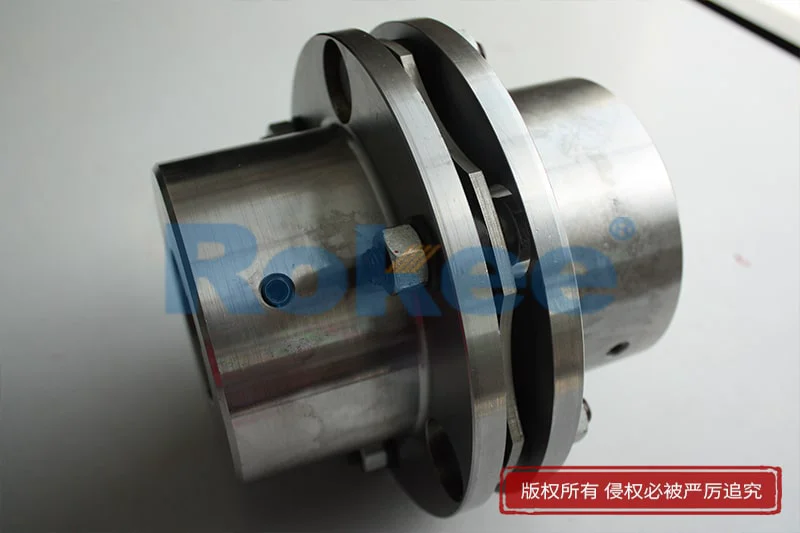
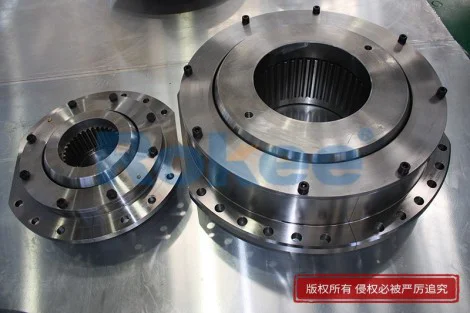
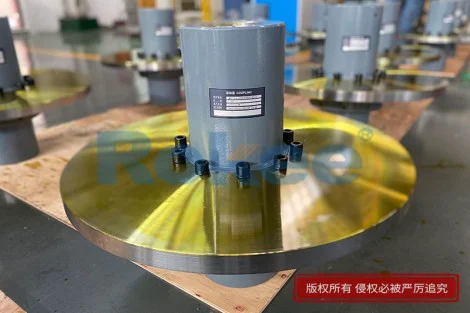
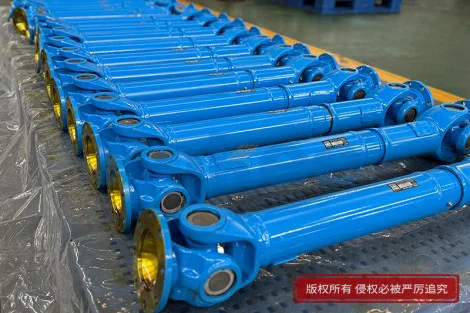
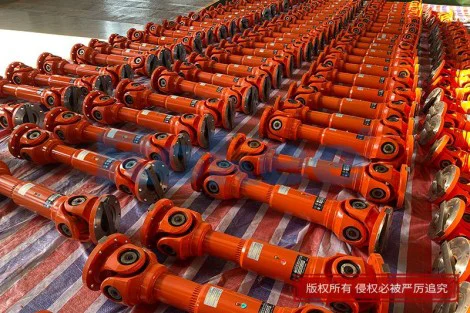
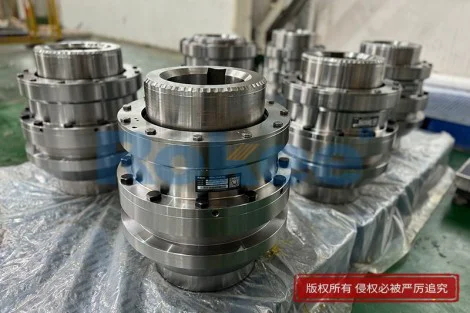
Stainless steel diaphragm couplings are high-precision, flexible power transmission components widely adopted in modern industrial mechanical systems, designed to connect driving and driven shafts while delivering stable torque transmission under complex operating conditions. Distinguished from conventional coupling structures, these components rely on the elastic deformation of high-strength stainless steel diaphragms to compensate for multi-dimensional shaft misalignment, including angular, parallel, and axial deviations generated during equipment operation and installation. Featuring zero backlash, lubrication-free operation, and excellent resistance to vibration and fatigue, they effectively solve common pain points of traditional transmission parts such as easy wear, large noise, and poor stability at high speeds. Their all-metal stainless steel structure endows them with outstanding durability and environmental adaptability, enabling reliable operation in high-temperature, low-temperature, and slightly corrosive working scenarios. As a core component of precision mechanical transmission systems, they play an irreplaceable role in ensuring the operational accuracy, stability, and service life of various high-speed and high-precision mechanical equipment.
The fundamental working mechanism of stainless steel diaphragm couplings centers on the elastic deformation characteristics of metal materials, which realizes flexible torque transmission and misalignment compensation without mechanical clearance or auxiliary lubrication. During equipment operation, torque is uniformly transmitted from the driving shaft to the driven shaft through high-strength fastening bolts and stainless steel diaphragm sets. When installation errors or operational vibration cause relative displacement between the two connected shafts, the thin stainless steel diaphragms produce micro elastic bending and stretching deformation. This subtle structural change effectively absorbs and offsets angular deflection, radial offset, and axial displacement between shafts, avoiding rigid friction and extrusion between mechanical parts. Unlike gear couplings and sleeve couplings that rely on mechanical meshing or hard contact for transmission, the elastic deformation working mode eliminates transmission backlash fundamentally. This pure metal elastic transmission structure requires no grease or lubricating oil for maintenance, avoiding performance degradation caused by lubricant aging, contamination, or leakage, and maintaining consistent transmission accuracy during long-term continuous operation.
Material characteristics constitute the core competitive advantage of stainless steel diaphragm couplings, laying a solid foundation for their superior comprehensive performance in complex industrial environments. The high-quality stainless steel selected for diaphragm production features uniform internal structure, high tensile strength, and excellent fatigue resistance, which can withstand repeated cyclic deformation under high-speed rotation and variable torque loads without permanent structural damage. This material also possesses remarkable corrosion resistance, effectively resisting oxidation, moisture erosion, and mild chemical corrosion in conventional industrial environments, preventing diaphragm rust, deformation, or performance attenuation caused by environmental factors. In addition, stainless steel maintains stable mechanical properties within a wide temperature range, avoiding structural softening at high temperatures or brittle hardening at low temperatures, which ensures the coupling’s normal operation in extreme temperature working conditions. Compared with ordinary carbon steel and alloy materials, stainless steel balances lightweight design and structural strength perfectly, reducing the overall mass and rotational inertia of the transmission system while guaranteeing load-bearing capacity, which is conducive to improving the dynamic response speed of high-precision equipment.
Structural design diversity enables stainless steel diaphragm couplings to adapt to differentiated industrial transmission demands, with single-diaphragm and double-diaphragm structures being the most mainstream configurations in the market. The single-diaphragm coupling adopts an integrated compact structure with fewer assembly parts and a small overall volume, making it suitable for mechanical scenarios with small shaft spacing and low misalignment amplitude. Its simple assembly structure reduces installation difficulty and improves overall structural rigidity, ensuring efficient and stable torque transmission for conventional medium and low-speed equipment. The double-diaphragm structure adds a rigid intermediate spacer between two groups of stainless steel diaphragms, which significantly enhances the multi-directional misalignment compensation capability of the coupling. This structure can cope with larger angular and parallel shaft deviations, making it ideal for long-span shaft connection and high-flexibility transmission scenarios. Both structural designs adopt integrated bolt fastening technology, which ensures firm connection between diaphragms and shaft hubs, avoids loose displacement during high-speed operation, and maintains the overall structural stability of the coupling under long-term variable load operation.
Stainless steel diaphragm couplings deliver prominent performance advantages in vibration reduction and noise suppression, greatly optimizing the operating environment of mechanical transmission systems. The elastic deformation characteristics of stainless steel diaphragms can effectively absorb and weaken mechanical vibration generated by equipment startup, shutdown, load fluctuation, and high-speed rotation. Compared with traditional rigid couplings that directly transmit vibration and impact, the flexible diaphragm structure buffers instantaneous impact torque and isolates vibration transmission between driving and driven equipment. Practical industrial application data shows that this coupling can reduce equipment operating vibration by a large margin and lower mechanical operation noise significantly compared with gear and slider couplings. This excellent vibration and noise reduction performance not only improves the operating comfort of mechanical equipment but also reduces the fatigue loss of key components caused by long-term vibration, effectively extending the service life of bearings, shafts, and other matching parts, and improving the overall operational stability of the equipment.
Zero-backlash transmission performance makes stainless steel diaphragm couplings an indispensable core component in precision automation and servo transmission systems. In high-precision mechanical equipment such as automated production lines, robotic arms, and precision processing machinery, tiny transmission backlash will lead to positioning deviation and repeated operation errors, seriously affecting product processing accuracy and equipment operation consistency. The all-metal elastic transmission mode of stainless steel diaphragm couplings completely eliminates mechanical gaps in the transmission process, realizing synchronous and accurate torque and angle transmission between driving and driven shafts. Even in frequent forward and reverse rotation and high-frequency start-stop working states, it can maintain stable transmission accuracy without accumulated error. Meanwhile, its low rotational inertia characteristic enables the transmission system to respond quickly to control signals, realizing sensitive and accurate dynamic adjustment, which fully meets the high-precision and high-dynamic performance requirements of modern intelligent mechanical equipment.
The maintenance-free operating feature of stainless steel diaphragm couplings brings significant cost and efficiency advantages for industrial production and equipment operation. Traditional transmission couplings often require regular lubrication, oil replacement, and wear part inspection and replacement, which not only consumes a lot of manpower and material resources but also leads to equipment shutdown and production interruption during maintenance. In contrast, stainless steel diaphragm couplings adopt an all-metal sealed structure with no wearing parts and no need for lubrication throughout the service cycle. The high-strength and corrosion-resistant stainless steel material avoids common failure problems such as part wear, rust, and aging. In long-term continuous industrial production scenarios, the coupling can operate stably for a long time without daily maintenance and regular overhaul, greatly reducing equipment operation and maintenance costs, improving equipment operation rate, and avoiding production loss caused by equipment maintenance and failure shutdown.
With the continuous upgrading of modern industrial manufacturing technology, the application scope of stainless steel diaphragm couplings is expanding continuously, covering multiple high-end and precision industrial fields. In power transmission equipment such as high-speed fans, compressors, and pumps, they adapt to high-speed and continuous operating conditions, ensuring stable power output of equipment. In intelligent automation equipment including robotic arms, packaging machinery, and printing equipment, their zero-backlash and high-precision transmission characteristics guarantee the accurate operation of automated processes. In semiconductor, electronic manufacturing, and medical equipment industries, their clean and maintenance-free operation mode avoids environmental pollution caused by lubricants and meets the strict cleanliness requirements of precision manufacturing environments. In addition, they are also widely used in energy, chemical, and aerospace auxiliary equipment, becoming a key guarantee for the stable operation of various high-performance mechanical systems, and their market application value and industrial importance continue to improve with the development of precision industrial manufacturing.