Gear Type Flexible Coupling

Gear type flexible coupling stands as a core mechanical transmission component widely adopted in modern industrial transmission systems, serving the key function of connecting two rotating shafts to transmit torque and rotational motion efficiently. Unlike rigid couplings that feature fixed and rigid connection structures, this flexible coupling integrates precise gear meshing design with flexible deformation performance, enabling it to resolve common operational problems in mechanical transmission such as shaft misalignment, minor vibration impact and axial displacement. Its unique structural design endows it with outstanding comprehensive performance, including high torque transmission capacity, excellent misalignment compensation and stable high-speed operation adaptability. It has become an indispensable part of heavy-duty mechanical equipment, high-speed operating devices and continuous production systems, effectively improving the operational stability of transmission structures, reducing mechanical wear and extending the overall service life of industrial equipment.
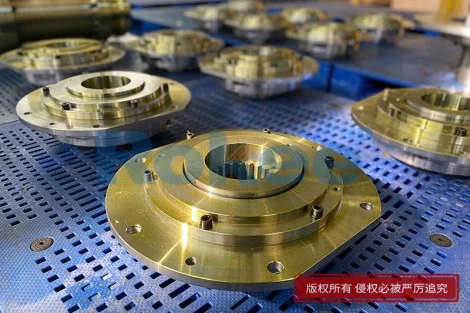
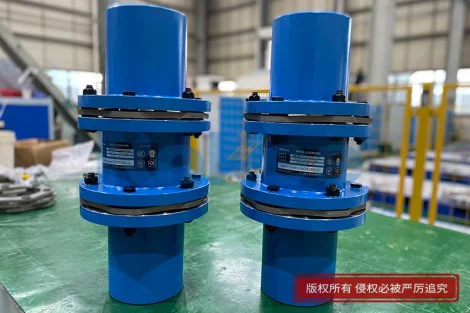
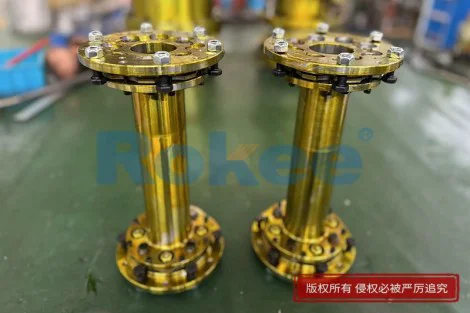
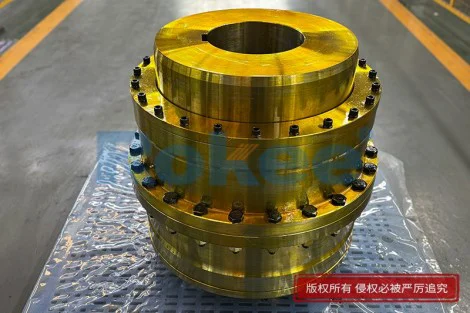
The basic structural composition of gear type flexible coupling is simple and compact, with no redundant accessory structures, which lays a solid foundation for its stable operation and convenient application in various mechanical scenarios. The core components mainly include two gear hubs with external crowned teeth and an outer sleeve equipped with internal gear teeth, forming a closed meshing transmission structure. The crowned tooth profile design of the external gear teeth is the key to realizing flexible performance, differing significantly from the straight tooth structure of ordinary rigid gear transmission. This special tooth profile can produce slight elastic deformation and adaptive displacement during meshing operation, avoiding rigid collision and friction between gear teeth. The overall radial size of the coupling is small, which greatly saves the installation space of mechanical equipment and simplifies the layout of the transmission system. All core components are tightly matched during assembly, ensuring high structural rigidity under normal torque transmission conditions while retaining flexible buffer space for abnormal displacement and vibration, perfectly balancing transmission efficiency and operational flexibility.
The working principle of gear type flexible coupling relies on precision gear meshing transmission and flexible displacement compensation, realizing stable power transmission and mechanical protection simultaneously. During equipment operation, the driving shaft drives the connected gear hub to perform synchronous rotational movement, and the external crowned gear teeth on the hub mesh closely with the internal gear teeth of the outer sleeve to transmit rotational torque and kinetic energy. The outer sleeve then drives the other gear hub and the connected driven shaft to rotate, completing the whole power transmission process. When the connected two shafts produce axial, radial or angular misalignment due to installation errors, equipment vibration or long-term operational deformation, the crowned gear teeth can adaptively adjust the meshing angle and gap. The tiny displacement generated by gear tooth deformation and meshing gap change can fully offset the shaft misalignment, avoiding additional mechanical stress and friction loss caused by rigid connection. This intelligent adaptive working mode ensures continuous and stable torque transmission even under non-ideal installation and operation conditions.
One of the most prominent performance advantages of gear type flexible coupling is its excellent multi-directional misalignment compensation capability, which solves the core pain point of shaft connection in mechanical transmission systems. In actual industrial operation, absolute coaxiality of two connected shafts is difficult to maintain permanently, and minor misalignment is inevitable due to installation deviation, equipment aging, thermal expansion and mechanical vibration. Most traditional couplings can only compensate for a single type of misalignment or have extremely limited compensation range, which is easy to cause excessive local stress, accelerated component wear and reduced transmission accuracy. In contrast, gear type flexible coupling can effectively adapt to axial displacement, radial offset and angular deflection at the same time. The flexible meshing structure of gear teeth can buffer and eliminate the adverse effects caused by various misalignments, ensure uniform stress on the transmission shaft and related components, avoid local fatigue damage, and greatly improve the fault tolerance of the mechanical transmission system in complex working environments.
Gear type flexible coupling boasts superior torque transmission performance and high-speed operation stability, making it suitable for high-load and high-efficiency industrial transmission scenarios. Benefiting from the large meshing contact area between internal and external gear teeth, the coupling can bear and transmit large torque stably, with high transmission efficiency and almost no power loss in the transmission process. Compared with elastic couplings that rely on rubber or plastic buffer components, it has stronger load-bearing capacity and structural rigidity, and will not produce excessive deformation or fatigue failure under long-term heavy-load operation. In high-speed rotating equipment, the compact and symmetrical structural design ensures low rotational inertia and uniform force distribution, effectively avoiding resonance, jitter and abnormal noise during operation. It can maintain precise and consistent torque transmission accuracy for a long time, meet the continuous operation requirements of high-precision mechanical equipment, and provide reliable power transmission guarantee for high-speed and high-load industrial production systems.
Reasonable material selection and excellent wear resistance and corrosion resistance further enhance the service performance and service life of gear type flexible coupling. Modern gear flexible couplings mostly adopt high-strength alloy steel and other high-quality metal materials for core components after special heat treatment processes, which significantly improve the surface hardness, structural strength and wear resistance of gear teeth. The optimized material performance enables the gear teeth to resist long-term meshing friction and mechanical impact, avoiding tooth surface wear, tooth breakage and other failure problems. For equipment operating in humid, dusty or weakly corrosive working environments, the surface of the coupling can be treated with anti-corrosion and anti-oxidation processes to isolate the erosion of external environmental factors. Excellent material adaptability allows the coupling to maintain stable working performance in various harsh industrial scenarios, reduce the frequency of component failure and replacement, and greatly improve the continuous operation capacity of mechanical equipment.
Gear type flexible coupling features convenient maintenance and low comprehensive operational cost, which brings significant economic benefits to industrial production and equipment operation. Its simple and integrated structural design avoids complex assembly structures and vulnerable parts, and the whole machine has high operational stability with low failure rate in daily use. Different from flexible couplings with easily aging elastic components, the core gear meshing structure has long service life and does not need frequent inspection and replacement. Daily maintenance work is extremely simple, mainly including regular cleaning of surface dust and proper lubrication of meshing parts to ensure smooth gear meshing. The convenient maintenance mode greatly reduces equipment downtime and manual maintenance investment, avoids production interruption caused by coupling failure. In the long-term equipment operation cycle, it can effectively reduce the comprehensive maintenance cost and improve the overall operational efficiency and economic benefits of industrial production lines.
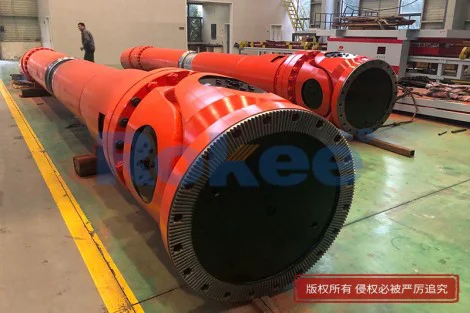
With the continuous upgrading of modern industrial mechanical equipment towards high precision, high load and high intelligence, the application scope and technical value of gear type flexible coupling are constantly improving. It is widely used in various heavy machinery, power transmission equipment, fluid conveying devices and industrial production equipment that require stable torque transmission and misalignment compensation. In complex and changeable industrial working conditions such as frequent start-stop, variable load operation and long-term continuous operation, it can always maintain excellent working performance, effectively protect the transmission shaft, bearing and other key components of equipment, and reduce mechanical failure rates. With the continuous optimization of structural design and material technology, gear type flexible coupling is evolving towards higher precision, stronger adaptability and longer service life, and will continue to play an irreplaceable core role in the field of mechanical transmission in future industrial development.