Flexible Coupling Scheme For PUR Sandwich Panel Production Line
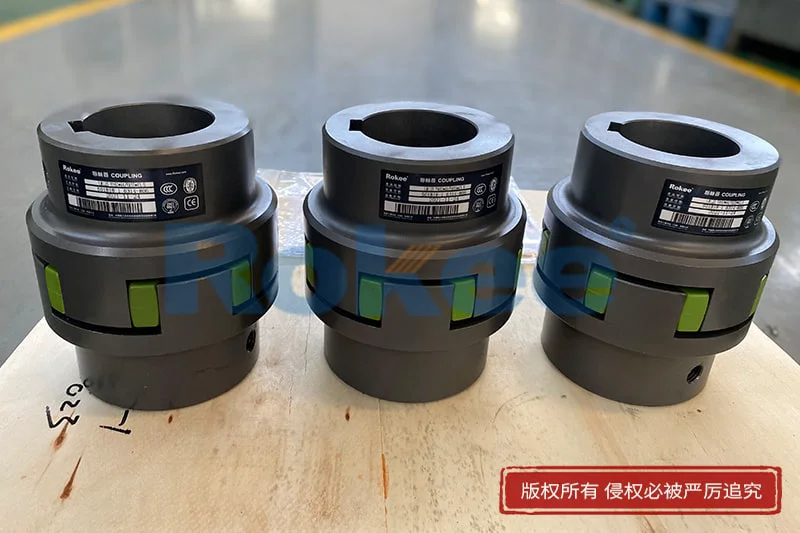
The continuous and stable operation of mechanical transmission systems is the core foundation of efficient production for PUR sandwich panel production lines. As a key connecting component between driving and driven shafts in transmission systems, flexible couplings undertake the critical tasks of torque transmission, shaft misalignment compensation, vibration damping and impact buffering. Different from rigid coupling structures, flexible couplings rely on structural elasticity and assembly clearance to adapt to the complex dynamic operating conditions of automated production lines, effectively solving equipment operation failures caused by installation errors, thermal deformation and mechanical vibration. PUR sandwich panel production lines involve multiple continuous processes including material feeding, foaming compounding, rolling molding, fixed-length cutting and finished product conveying, with diverse load characteristics and frequent dynamic load changes in each process section. Improper selection of flexible couplings will easily lead to unstable power transmission, increased equipment vibration, accelerated component wear, and even intermittent shutdowns, which directly affect the dimensional accuracy, surface flatness and overall production efficiency of finished PUR sandwich panels. Therefore, formulating a scientific and targeted flexible coupling selection scheme based on the operational characteristics and load rules of PUR sandwich panel production lines is essential to improve equipment operation stability, extend mechanical service life and reduce production and maintenance costs.
To carry out accurate flexible coupling selection, it is first necessary to systematically analyze the overall operating conditions and transmission characteristics of PUR sandwich panel production line. The entire production line is a highly integrated automated continuous production system, and each functional unit has distinct transmission load characteristics. The raw material feeding unit is responsible for the quantitative delivery of polyurethane raw materials and base plate materials. The transmission load of this unit is relatively stable during long-term operation, but it will generate instantaneous torque fluctuations during equipment start-up, shutdown and material switching. The foaming and compounding unit is the core processing link of PUR sandwich panels. The mechanical equipment here needs to maintain constant-speed and high-precision operation to ensure uniform foaming density and consistent compounding thickness of sandwich panels. The transmission system of this unit has high requirements for speed stability and vibration control, and slight transmission jitter will cause local foaming unevenness and product defects. The rolling and molding unit bears continuous cyclic load pressure. Long-term mechanical extrusion and friction will cause minor axial and angular offset of transmission shafts, accompanied by continuous mechanical vibration. The fixed-length cutting and finished product conveying unit has frequent start-stop actions and alternating load changes, which puts forward higher requirements for the impact resistance and fatigue resistance of coupling components. In addition, the continuous high-load operation of the production line will cause thermal expansion of mechanical parts, resulting in tiny displacement and misalignment of matching shafts, which further requires flexible couplings to have reliable multi-dimensional misalignment compensation capability.
Flexible couplings have become the preferred transmission connection component for PUR sandwich panel production line equipment due to their unique structural flexibility and functional diversity. Compared with rigid couplings that require extremely high installation alignment accuracy and cannot adapt to dynamic shaft displacement, flexible couplings can effectively compensate for axial displacement, angular deflection and radial offset of shafts generated during equipment installation and operation. At the same time, their internal flexible structures can absorb most of the vibration and impact energy generated during transmission, avoid rigid collision between mechanical parts, and protect key equipment such as motors, reducers and transmission bearings. In the actual operation of PUR sandwich panel production lines, common mechanical problems such as bearing heating, abnormal equipment noise and unstable transmission speed are mostly related to the mismatch between coupling performance and working conditions. Couplings with insufficient damping capacity cannot suppress resonance vibration during high-speed operation, while products with insufficient torque bearing capacity will produce elastic deformation or structural fatigue under long-term cyclic load, leading to transmission clearance increase and operation accuracy decline. Therefore, the core of coupling selection is to match the structural performance, load capacity and compensation range of flexible couplings with the actual operating parameters of each production link of the sandwich panel line.
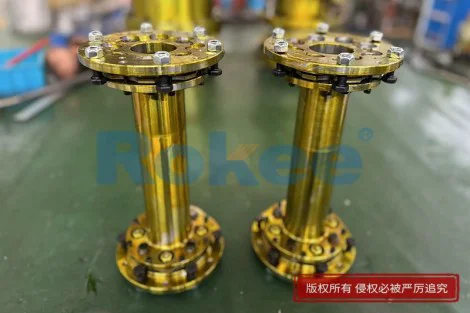
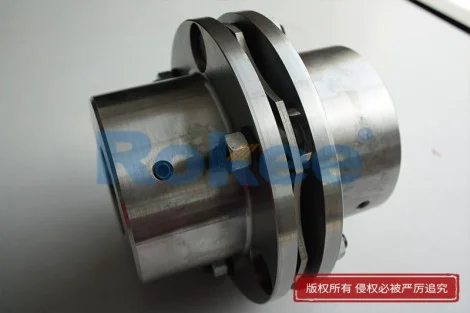
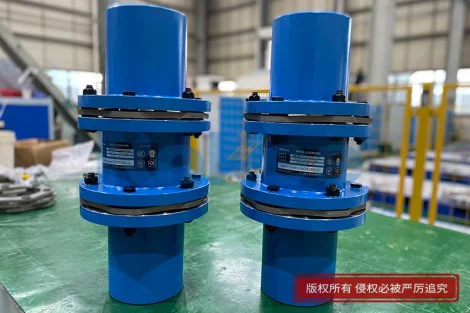
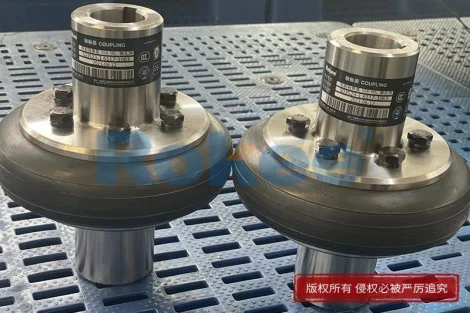
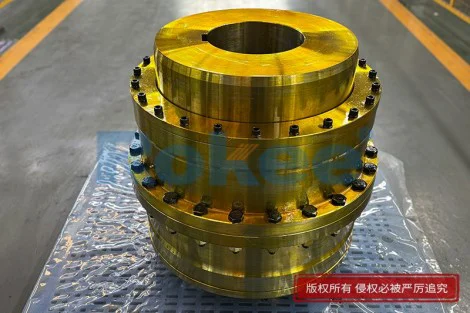
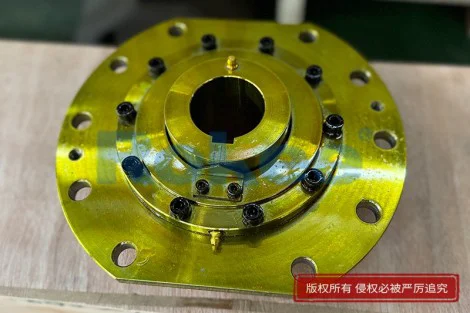
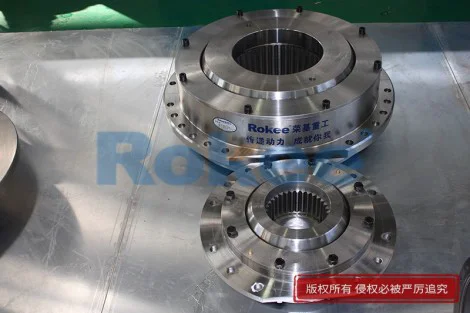
There are various types of flexible couplings with different structural forms and performance characteristics, and each type is applicable to specific transmission working conditions of PUR sandwich panel production lines. Elastomeric flexible couplings rely on elastic rubber or polymer components to realize flexible transmission, with excellent vibration damping and impact absorption effects. This type of coupling has simple structure and good deformation adaptability, and can effectively buffer instantaneous torque impact during equipment start-stop and load switching. It is very suitable for the low and medium-speed transmission links of material feeding and finished product conveying in sandwich panel production lines, where load changes are frequent and vibration interference needs to be suppressed. Metal diaphragm flexible couplings adopt multi-layer metal thin-film structural design, with high structural rigidity, stable transmission accuracy and good high-temperature resistance. They have tiny deformation during operation, will not produce elastic fatigue deformation under long-term constant load, and can maintain high-precision torque transmission. This makes them highly suitable for the core foaming compounding and constant-speed rolling units of PUR sandwich panel production lines that require high operation precision and speed stability. Gear flexible couplings have strong torque bearing capacity and large misalignment compensation range, with excellent adaptability to heavy-load and low-speed operating conditions. They can stably bear continuous cyclic extrusion load and are suitable for heavy-load transmission links such as rolling molding and thickness calibration of sandwich panels. Grid flexible couplings use grid elastic structures to disperse transmission stress, with good fatigue resistance and dynamic load adaptability, and can cope with long-term alternating load operation of automated production lines, reducing the failure rate caused by structural fatigue.
The scientific selection of flexible couplings for PUR sandwich panel production lines needs to follow a multi-dimensional comprehensive evaluation mechanism centered on working condition matching, performance adaptation and operational reliability, avoiding single-parameter judgment and blind model selection. First of all, the basic transmission parameters of the equipment should be clarified, including rated operating speed, conventional transmission torque and peak torque during start-up and load fluctuation. In the selection process, a reasonable safety factor should be reserved on the basis of the actual maximum torque of the equipment to ensure that the coupling can cope with instantaneous torque surges and long-term cyclic load impacts, preventing structural damage caused by overload operation. For the high-precision processing links of PUR sandwich panels with strict requirements on operation stability, priority should be given to couplings with high transmission accuracy and small torsional deformation to ensure the consistency of production process parameters and avoid product quality fluctuations caused by transmission errors.
Secondly, the misalignment compensation demand of the transmission shaft system should be accurately evaluated. In the long-term operation of PUR sandwich panel production lines, shaft misalignment is inevitable due to installation errors, equipment vibration, thermal expansion and mechanical wear. Different production links have different types and degrees of shaft displacement. The high-speed operation link is mainly affected by angular misalignment and axial thermal expansion displacement, while the heavy-load extrusion link is prone to radial offset and composite misalignment. It is necessary to select flexible couplings with corresponding compensation forms and compensation ranges according to the actual misalignment characteristics. Excessively small compensation range will lead to forced deformation of the coupling during operation, accelerating component wear; while excessive compensation margin will reduce the rigidity of the transmission system, affecting the stability of power output.
In addition, the environmental conditions and long-term operation characteristics of the production line should be fully considered. The production environment of PUR sandwich panels has certain temperature changes. The foaming process will generate local heat, and long-term continuous operation will cause the overall temperature rise of mechanical equipment. Therefore, the selected flexible coupling materials and structural forms need to have stable performance in a certain temperature range, avoiding performance attenuation, aging deformation or elasticity loss caused by temperature changes. At the same time, the automated production line operates continuously for a long time, which puts forward high requirements on the fatigue resistance and service life of couplings. It is necessary to select structural forms that are not easy to produce fatigue damage under long-term alternating load, so as to reduce frequent replacement of parts and equipment downtime caused by coupling failure. For the production links with frequent start-stop and obvious load fluctuations, priority should be given to couplings with good impact resistance and damping performance to suppress transmission vibration and ensure smooth equipment operation.
Combined with the process layout and load characteristics of each functional section of the PUR sandwich panel production line, a targeted segmented selection scheme can be formed to realize the precise matching of flexible couplings and production equipment. In the raw material feeding and pre-processing section, the equipment has medium rotating speed, frequent start-stop and small load fluctuation range, and the core demand is vibration reduction and stable transmission. Elastomeric flexible couplings are the best choice for this section. Their good elastic buffering performance can effectively offset instantaneous impact during equipment start and stop, reduce transmission vibration, and protect the precision feeding structure of raw materials. In the core foaming and compounding molding section, the equipment needs to maintain long-term constant-speed high-precision operation, and the transmission system is extremely sensitive to vibration and speed jitter. Metal diaphragm flexible couplings are adopted in this section, which can realize zero-clearance precision transmission, effectively control tiny speed fluctuations, ensure uniform foaming of PUR materials and accurate compounding of base plates, and fundamentally avoid product quality problems such as uneven plate thickness and foaming voids caused by unstable transmission.
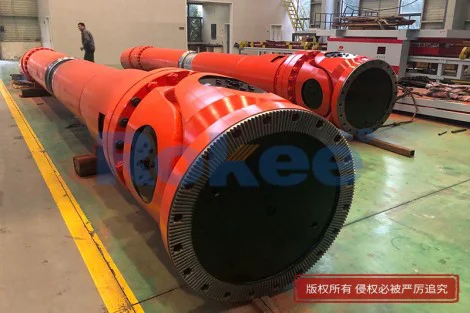
For the rolling and thickness calibration section bearing heavy cyclic load, gear flexible couplings with strong load-bearing capacity and excellent structural stability are selected. This type of coupling can bear continuous heavy extrusion torque, adapt to the slight radial and angular misalignment generated by long-term load operation of the rolling equipment, maintain stable power output of the rolling system, and ensure the flatness and thickness consistency of sandwich panel surfaces. In the fixed-length cutting and finished product conveying section, the equipment has fast start-stop frequency and alternating dynamic loads. Grid flexible couplings are used in this section, which have outstanding fatigue resistance and dynamic load adaptability, can cope with frequent load changes, reduce mechanical resonance and abnormal noise during operation, and improve the stability of finished product conveying and cutting precision.
After completing the type selection, the standardized installation and operation maintenance matching scheme is also an important part of the flexible coupling selection system, which directly determines the actual service effect and service life of the coupling. During equipment installation, the coaxiality of the driving and driven shafts must be strictly calibrated to control the shaft misalignment within the optimal compensation range of the selected coupling. Excessive initial misalignment will increase the operating load of the coupling, cause premature wear of flexible components, and reduce transmission efficiency. After installation, no-load trial operation and graded load test operation should be carried out to check whether the coupling has abnormal vibration, noise and temperature rise, so as to eliminate hidden dangers of installation mismatch. In the daily operation and maintenance process, regular inspection of the coupling operating state is required, including checking for loose assembly, aging and deformation of flexible components, and abnormal wear of matching parts. For elastomeric couplings, the aging degree of elastic components should be focused on to avoid performance degradation caused by long-term use; for metal structural couplings, the fatigue deformation and surface wear of the structure should be regularly detected to ensure long-term stable transmission performance.
The optimized application of flexible coupling selection schemes can bring multiple improvements to the operation of PUR sandwich panel production lines. Scientific matching of coupling types and working conditions can significantly reduce equipment vibration and impact wear, reduce the failure rate of transmission systems, and extend the service life of mechanical equipment and parts. Stable transmission accuracy ensures the consistency of product processing dimensions and surface quality, reduces the rate of defective products caused by transmission errors, and improves the overall production yield. At the same time, reasonable coupling selection avoids performance redundancy or insufficient performance, reduces unnecessary equipment maintenance costs and downtime losses, and improves the continuous operation efficiency and economic benefits of the production line. In the upgrading and transformation of automated PUR sandwich panel production lines, the optimized selection of flexible couplings can also cooperate with intelligent transmission systems to realize more stable and efficient automated production, laying a foundation for the high-quality and large-scale production of sandwich panel products.
In conclusion, flexible coupling selection for PUR sandwich panel production lines is a systematic work integrating working condition analysis, type performance matching, parameter optimization and operation maintenance. It is necessary to fully combine the process characteristics, load rules and operation environment of each production link of the sandwich panel line, abandon empirical blind selection, and form a refined selection scheme based on actual working condition parameters. By selecting flexible couplings with matching structural performance, compensation capacity and fatigue resistance for different functional units, the stable, precise and efficient operation of the entire production line transmission system can be effectively guaranteed. Continuous optimization of coupling selection and maintenance strategies according to equipment operation changes and production process upgrades can further improve the operational reliability and economic operation level of PUR sandwich panel production lines, and provide strong technical support for the stable output of high-quality sandwich panel products.