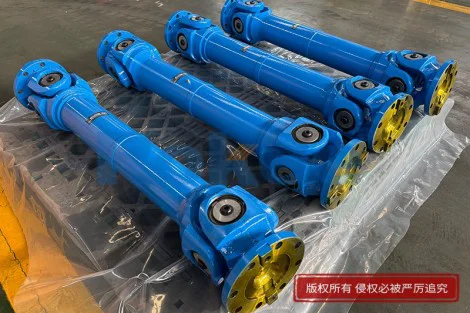
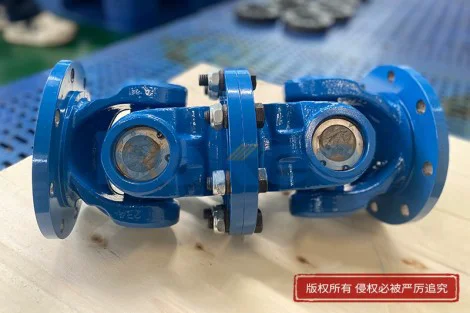
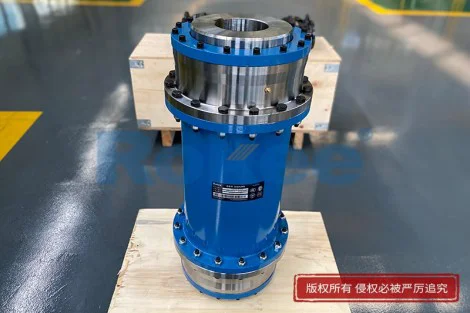
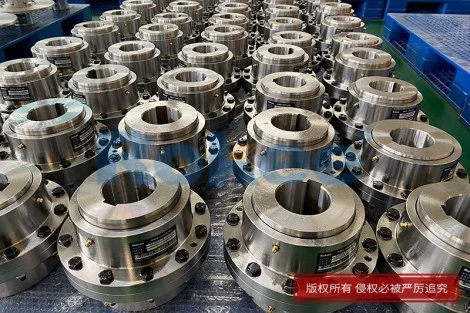
Drum Coupling For Sale
In the intricate ecosystem of mechanical transmission systems, drum couplings stand out as one of the most reliable and functional connecting components for modern industrial machinery. As core transmission parts widely demanded in the machinery market, drum couplings for sale have continuously attracted attention from machinery operators, engineering procurement personnel and industrial maintenance teams. These mechanical components are engineered to connect two rotating shafts securely, transmitting torque while adapting to various operational deviations between connected equipment. With the continuous expansion of heavy industry and general machinery manufacturing scale, the market demand for durable, high-performance and adaptable drum couplings remains steadily rising, making them indispensable basic parts in industrial production links.
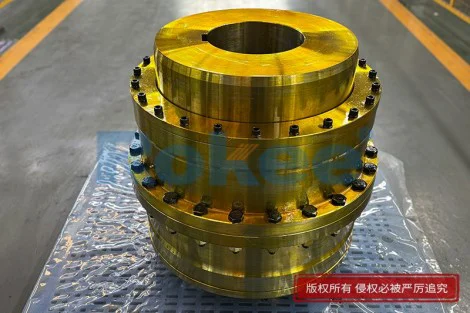
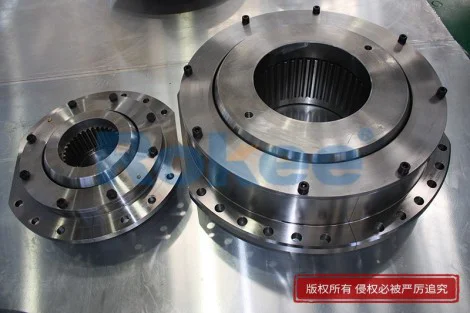
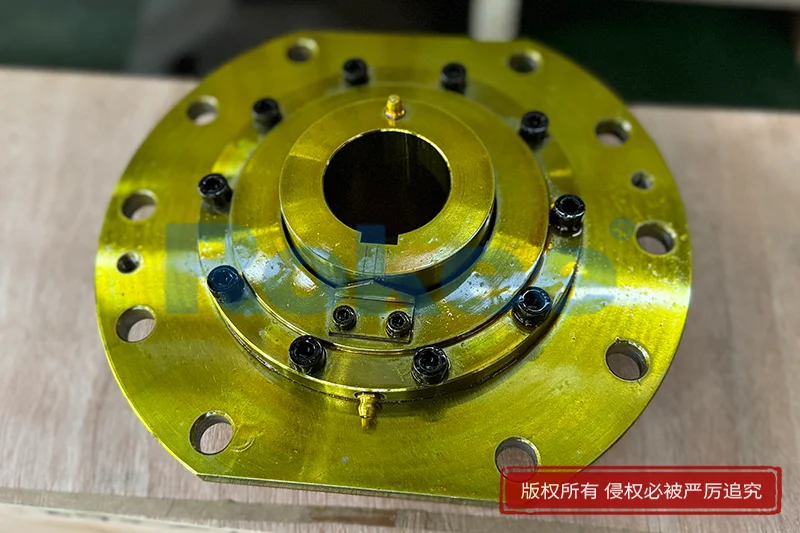
The fundamental structural design of drum couplings endows them with unique mechanical advantages that distinguish them from other common coupling types. Primarily composed of inner gear sleeves, outer gear sleeves, sealing components and fastening parts, the overall structure adopts an optimized drum-shaped tooth profile design. Different from traditional straight-tooth couplings, the curved tooth surface of drum teeth enables smoother meshing between gears during operation. This structural improvement effectively reduces contact friction between tooth surfaces and avoids excessive local stress concentration. Inside the coupling, independent lubrication chambers are equipped with oil filling holes and ventilation structures, which maintain a stable oil bath lubrication environment for meshing gears. Auxiliary structures such as wear indicating parts are embedded in the exterior, allowing operators to directly observe component wear status without disassembling the equipment, which greatly simplifies daily inspection work. Sealing assemblies at both ends of the coupling effectively isolate internal lubricants from the external environment, preventing lubricant leakage and blocking dust, moisture and corrosive impurities from entering the internal meshing area.
The working principle of drum couplings revolves around flexible torque transmission and displacement compensation. During equipment operation, the driving shaft drives the inner gear sleeve to rotate, and torque is stably transmitted to the outer gear sleeve through the meshing of drum-shaped teeth, thereby realizing synchronous rotation of the driven shaft. In actual industrial operating environments, absolute coaxiality between two connected shafts is difficult to maintain due to installation errors, equipment vibration, metal thermal expansion and mechanical wear. The special curved tooth structure of drum couplings can flexibly adapt to axial displacement, radial offset and angular deflection generated between shafts. When misalignment occurs, the drum-shaped teeth can produce slight sliding displacement along the tooth surface, eliminating additional mechanical stress on shafts and bearings caused by position deviation. This adaptive compensation mechanism ensures the stability of the entire transmission system and avoids abnormal vibration and noise caused by rigid connection friction.
Superior comprehensive mechanical properties make drum couplings applicable to diverse complex working conditions. The most prominent performance feature is the excellent heavy-load bearing capacity. The optimized tooth surface contact area and high-strength metal raw materials enable the coupling to withstand continuous high torque and instantaneous impact loads, which is suitable for long-term stable operation of heavy mechanical equipment. Meanwhile, the transmission efficiency of drum couplings remains at a high level during operation, with minimal power loss in the torque transmission process, effectively converting mechanical power into equipment operating power. In terms of vibration reduction and noise suppression, the smooth meshing state of drum-shaped teeth buffers the vibration generated by equipment startup, shutdown and load changes. The internal lubricating oil further weakens friction vibration between components, reducing operating noise and improving the working environment of mechanical equipment.
The application scope of drum couplings covers multiple core industrial sectors, showing strong industry adaptability. In the metallurgical industry, these couplings are widely used in rolling production lines to connect rolling mills, reduction gears and driving motors. The rolling process involves continuous metal extrusion and heavy load impact, and the displacement compensation capability of drum couplings can adapt to axial movement and tiny angular deviation of rollers, maintaining stable transmission of rolling equipment. In the mining industry, mining machinery such as crushing equipment and conveying machinery often operates in harsh environments with heavy dust and variable loads. The sealed structure of drum couplings prevents internal parts from being eroded by dust, and their durable mechanical properties cope with frequent impact loads in mining production. In the heavy lifting field, lifting equipment relies on drum couplings to connect transmission shafts, ensuring safe and stable torque transmission during heavy object lifting, and avoiding transmission failure caused by load fluctuation.
Beyond heavy industrial scenarios, drum couplings also play an important role in general machinery and energy industries. In petrochemical production, various pumping equipment and stirring machinery require stable transmission components to adapt to continuous operating conditions. Drum couplings maintain reliable working performance under medium-speed rotating states, resisting slight corrosion from chemical raw materials in the working environment. In power generation systems, they are applied to the connection of power transmission shafts in generating units, ensuring efficient energy conversion and reducing mechanical energy loss. Marine mechanical equipment also adopts drum couplings for shaft connection; their good sealing performance and structural stability adapt to humid marine working conditions, resisting vibration impact during ship navigation. In addition, many conventional mechanical processing equipment and transmission devices in the manufacturing industry take drum couplings as the preferred connecting parts to meet daily stable production needs.
When selecting drum couplings from numerous available products on sale, industrial users need to comprehensively consider multiple operating condition factors to ensure matching between components and equipment. Torque parameters are the primary selection basis; users need to calculate the rated torque and instantaneous peak torque of the transmission system, and reserve a reasonable safety margin to avoid component fatigue damage caused by long-term overload operation. Operating speed also affects the service life of drum couplings. Different structural specifications correspond to adaptable speed ranges, and high-speed rotating equipment needs to prioritize couplings with more precise tooth surface processing. Shaft displacement deviation generated during equipment operation should also be measured in advance to select couplings with matching compensation capabilities, preventing transmission jitter caused by insufficient compensation space.
Raw material quality and processing technology determine the service life and operating stability of drum couplings. High-quality drum couplings are usually made of high-strength alloy steel through forging and integral processing. The forging process optimizes the internal metal structure of the material, improving the density and mechanical strength of the component, so that it is not easy to deform under long-term heavy load. The tooth surface undergoes fine finishing and surface strengthening treatment to enhance wear resistance and pressure resistance of the meshing part. In contrast, low-quality products made of ordinary carbon steel are prone to tooth surface wear and metal fatigue after short-term use, which will increase equipment failure frequency. The precision of assembly gaps also affects product quality; reasonable gaps can ensure flexible meshing of gears without excessive shaking during operation.
Scientific installation and daily maintenance are key links to extend the service life of drum couplings. During the installation process, operators need to calibrate the coaxiality of the two connected shafts to minimize initial installation deviation. Excessive initial misalignment will increase the operating load of the coupling and accelerate component wear. Fastening bolts should be tightened evenly in a fixed sequence to ensure stable connection without local stress concentration. After installation, an idle running test is required to check for abnormal vibration and noise. In daily maintenance, regular inspection of lubricant status is essential. The lubricant inside the coupling will gradually deteriorate after long-term operation, and regular oil replacement can reduce meshing friction and prevent metal corrosion. It is necessary to check the tightness of sealing parts regularly; aging seals should be replaced in time to avoid lubricant leakage and impurity intrusion. The wear indicating structure on the coupling can help operators judge component aging degree and arrange replacement plans reasonably.
Compared with other types of flexible couplings, drum couplings have distinct comprehensive advantages in market competition. In terms of load resistance, drum couplings outperform elastic couplings such as tire couplings and plum blossom couplings, making them more suitable for heavy-load industrial scenarios. Although elastic couplings have simpler structures and better vibration reduction effects, their bearing torque is limited and cannot adapt to long-term high-intensity operation. In terms of displacement compensation, drum couplings have larger compensation range than straight-tooth gear couplings, with smoother meshing operation and lower failure rate. In terms of maintenance cost, the fully sealed structure of drum couplings reduces external interference, and the maintenance cycle is longer than that of open transmission components. Even though the structural complexity and manufacturing cost are slightly higher than ordinary couplings, their long-term stable operating performance can effectively reduce equipment downtime and replacement frequency, bringing higher economic benefits to industrial production.
At present, the supply chain of drum couplings for sale is becoming increasingly mature, with diversified product specifications to meet the needs of different industries. The product size covers small-specification components for light general machinery to large-scale couplings for heavy metallurgical and mining equipment. The structural forms include basic horizontal connecting types and intermediate shaft connecting types, adapting to various shaft position layout modes of mechanical equipment. Most suppliers provide customized processing services, adjusting structural parameters such as shaft hole diameter and installation length according to users' equipment transformation needs. In the procurement process, users usually pay attention to product processing precision, material durability and after-sales service quality. Reliable suppliers strictly control every production process from raw material selection to finished product inspection to ensure that each batch of couplings has stable and consistent performance.
In actual industrial application cases, standardized drum couplings show excellent operational stability. In continuous rolling production lines, these couplings can keep running for a long time under high-temperature and heavy-load conditions, resisting thermal deformation of metal materials and maintaining accurate torque transmission. In large-scale mine conveying equipment, they cope with frequent startup and load fluctuation, avoiding tooth surface fracture and transmission stall. For marine propulsion systems, the sealed and corrosion-resistant structure adapts to humid and salt-containing working environments, reducing component oxidation and aging. These practical application performances fully verify the applicability and reliability of drum couplings in complex industrial scenarios.
With the continuous upgrading of industrial manufacturing technology, the production process of drum couplings is also constantly optimized. Modern manufacturing technologies such as precision CNC machining and heat treatment are widely used in production, improving the dimensional accuracy and surface hardness of products. The optimized internal lubrication structure reduces lubricant consumption and improves the energy-saving effect of equipment. Meanwhile, the lightweight design of partial structures reduces the overall self-weight of couplings while ensuring mechanical strength, lowering the extra load on transmission equipment. In the future, with the development of intelligent manufacturing, drum couplings will be combined with monitoring sensing technology to realize real-time feedback of operating temperature, wear degree and vibration data, further improving the intelligent maintenance level of transmission systems.
For industrial purchasers and equipment managers, correctly understanding the performance characteristics, application scenarios and maintenance methods of drum couplings is crucial to optimizing equipment operation efficiency. Reasonable selection of high-quality drum couplings can reduce mechanical failure rates, extend the service life of transmission systems, and cut down daily operation and maintenance costs. When purchasing drum couplings for sale, users should focus on matching product performance with actual working conditions, avoid blind selection of over-specification or low-cost inferior products, and establish regular maintenance plans after equipment installation. Scientific selection and standardized maintenance can maximize the use value of drum couplings and create stable operational benefits for industrial production.
As an essential basic component in the mechanical transmission industry, drum couplings will always maintain irreplaceable application value in heavy industry, energy, transportation and manufacturing fields. Their unique drum-shaped tooth structure, excellent displacement compensation capability and durable heavy-load performance make them reliable connecting cores for various mechanical equipment. With the continuous progress of industrial technology and the upgrading of manufacturing requirements, drum couplings will continue to iterate in structural design, material application and processing technology, adapting to more complex and high-standard industrial working conditions. For machinery users in need, high-quality drum couplings for sale are stable and cost-effective transmission solutions, providing solid guarantee for the long-term stable operation of mechanical equipment.