Cardan Shaft Coupling Adapts to Various Equipment Connection Needs of PUF Sandwich Panel Making Line
In the modern manufacturing industry, the PUF (Polyurethane Foam) sandwich panel making line has become an indispensable core equipment in the fields of construction, refrigeration, and industrial insulation due to its high efficiency, automation, and stable product quality. The smooth operation of the entire production line relies on the precise coordination and reliable power transmission between various equipment components, from the uncoiling of raw materials to the final packaging of finished products. Among the numerous mechanical components that ensure the normal operation of the production line, the cardan shaft coupling plays a crucial and irreplaceable role. As a flexible power transmission component, it is specifically designed to solve the problems of shaft misalignment, torque transmission, and motion synchronization between different equipment in the PUF sandwich panel making line, adapting to the diverse connection needs of various equipment and providing a solid guarantee for the continuous, efficient, and stable operation of the entire production line. Unlike rigid couplings that require strict coaxial alignment between the driving and driven shafts, the cardan shaft coupling has unique structural advantages that allow it to compensate for angular, parallel, and axial misalignments, making it widely applicable to various equipment connection scenarios in the PUF sandwich panel making line, regardless of the installation position, load size, or operating speed of the equipment.
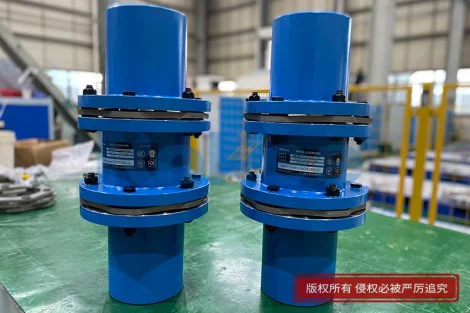
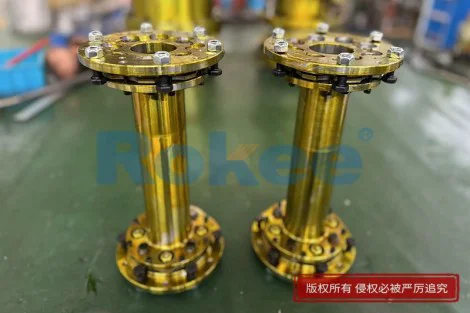
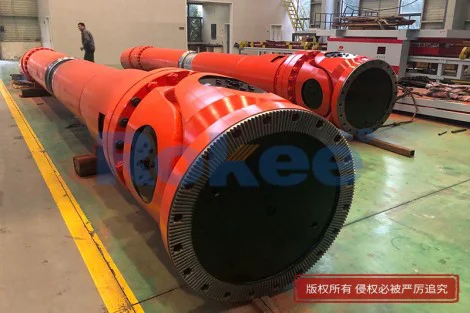
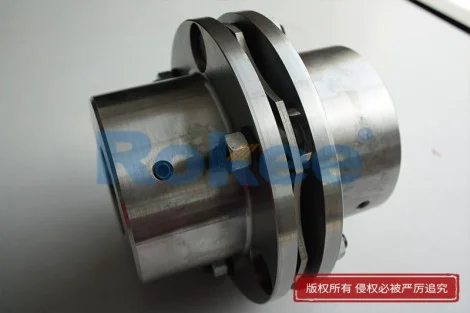
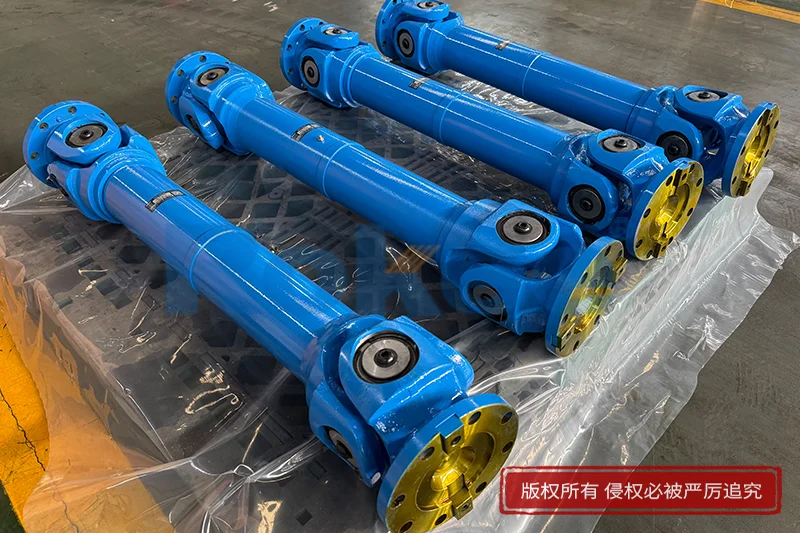
To fully understand how the cardan shaft coupling adapts to the various equipment connection needs of the PUF sandwich panel making line, it is first necessary to clarify the structural characteristics and working principles of the cardan shaft coupling. A typical cardan shaft coupling is composed of several core components, including forks, a cross shaft, needle roller bearings or plain bearings, and connecting flanges or clamping devices. The forks are respectively fixed on the driving shaft and the driven shaft, serving as the connection carrier between the shafts and the cross shaft; the cross shaft is the core component for torque transmission, located at the center of the coupling, and its unique geometric structure enables the flexible rotation between the two forks; the bearings installed on the cross shaft ensure that the cross shaft can rotate freely relative to the forks, reducing friction and wear during operation, and improving the transmission efficiency and service life of the coupling; the connecting flanges or clamping devices are used to firmly fix the coupling on the equipment shafts, ensuring the reliability and stability of power transmission. The working principle of the cardan shaft coupling is based on the flexible articulation between the cross shaft and the forks: when the driving shaft rotates, it drives the fork connected to it to rotate, and the fork further drives the cross shaft to rotate. The cross shaft then transmits the rotational motion and torque to the other fork, which in turn drives the driven shaft to rotate. During this process, the special structure of the cross shaft and forks allows the driving shaft and the driven shaft to deflect within a certain angular range while maintaining continuous motion transmission, thereby compensating for the misalignment between the two shafts caused by installation errors, equipment deformation during operation, or structural limitations of the production line.
The PUF sandwich panel making line is a complex integrated system composed of multiple functional equipment, each with different structural characteristics, working loads, and operating speeds, which puts forward diverse and strict requirements for the connection components between equipment. From the uncoiling system that feeds and recycles steel coils to the palletizing system that stacks finished panels, each link requires reliable power transmission and precise motion synchronization, and the cardan shaft coupling can perfectly adapt to these different connection needs through its structural flexibility and performance adjustability. The uncoiling system is the starting link of the PUF sandwich panel making line, responsible for uncoiling and leveling steel coils, which are the surface materials of PUF sandwich panels. The uncoiling system usually consists of hydraulic motors, uncoiling rollers, and leveling devices, and the power transmission between the hydraulic motor and the uncoiling roller requires a coupling that can adapt to small angular misalignments and stable torque transmission. Due to the installation space limitations of the uncoiling system, the shafts of the hydraulic motor and the uncoiling roller are often difficult to achieve perfect coaxial alignment, and there may be slight angular deviations. The cardan shaft coupling can effectively compensate for these small angular misalignments, ensuring that the torque output by the hydraulic motor is stably transmitted to the uncoiling roller, making the uncoiling speed uniform and avoiding the problems of steel coil jamming or uneven uncoiling caused by unstable power transmission. At the same time, the cardan shaft coupling has good shock absorption performance, which can absorb the impact load generated when the uncoiling roller starts and stops, protecting the hydraulic motor and the uncoiling roller from damage, and extending the service life of the equipment.
After the uncoiling and leveling of the steel plate, it enters the laminating and cutting system, which is responsible for laminating the steel plate with protective films or other materials and cutting it into the required width to meet the requirements of subsequent forming and foaming processes. The laminating and cutting system is composed of laminating rollers, cutting blades, and transmission rollers, and the power transmission between these components requires high precision and synchronization. The cardan shaft coupling used in this system is usually designed with a compact structure to adapt to the limited installation space of the laminating and cutting system. At the same time, it has high transmission accuracy, which can ensure that the rotational speed of the laminating rollers, cutting blades, and transmission rollers is completely synchronized, avoiding the problems of uneven laminating, inaccurate cutting size, or material waste caused by speed asynchrony. In addition, the cutting process will generate a certain amount of vibration, and the cardan shaft coupling can effectively dampen the vibration, reducing the impact of vibration on the cutting accuracy and the service life of the cutting blades. The flexible connection of the cardan shaft coupling also allows for easy adjustment and maintenance of the laminating and cutting system. When the cutting blades need to be replaced or the laminating rollers need to be adjusted, the coupling can be easily disassembled and installed, reducing the maintenance time and improving the production efficiency of the production line.
The forming machine system is a key link in the PUF sandwich panel making line, responsible for pressing the leveled steel plate into the desired shape and specifications, which directly affects the structural strength and appearance quality of the finished PUF sandwich panel. The forming machine system usually consists of multiple groups of forming rollers, each of which has a specific shape and size, and the power transmission between the forming rollers requires a coupling that can withstand large torque and adapt to certain axial and radial displacements. During the forming process, the steel plate exerts a certain pressure on the forming rollers, which will cause slight axial and radial displacements of the forming roller shafts. The cardan shaft coupling can compensate for these displacements through its own structural flexibility, ensuring that the torque is stably transmitted between the forming rollers, and the forming speed is uniform. At the same time, the forming machine system operates under heavy load conditions for a long time, which requires the coupling to have high load-bearing capacity and wear resistance. The cardan shaft coupling is usually made of high-strength alloy steel or heat-treated steel, which has excellent mechanical properties and can withstand large torque and impact load, ensuring long-term stable operation under heavy load conditions. In addition, the cardan shaft coupling used in the forming machine system can also be designed with a telescopic structure, which can compensate for the axial displacement caused by the thermal expansion and contraction of the forming roller shafts during long-term operation, further improving the stability and reliability of the power transmission.
The high-pressure foam system is the core equipment in the PUF sandwich panel making line, responsible for sending the two-component raw materials of rigid polyurethane foam into the mixing head at a certain ratio and evenly distributing them onto the bottom surface of the sandwich panel. The high-pressure foam system consists of a raw material storage tank, a high-pressure pump, a mixing head, and a transmission pipeline, and the power transmission between the high-pressure pump and the drive motor requires a coupling that can adapt to high speed and high precision. The high-pressure pump operates at a high speed during operation, and the shaft of the pump and the drive motor must maintain precise synchronization to ensure the stability of the raw material delivery volume and ratio. The cardan shaft coupling used in this system has excellent dynamic balance performance, which can reduce the vibration generated during high-speed operation, avoid the problems of raw material leakage or uneven mixing caused by vibration, and ensure the foaming quality of the PUF sandwich panel. At the same time, the cardan shaft coupling can compensate for the slight angular misalignment between the drive motor and the high-pressure pump shaft, which may be caused by installation errors or equipment vibration, ensuring that the power transmission is stable and reliable. The compact structure of the cardan shaft coupling also makes it suitable for the installation space of the high-pressure foam system, which is usually relatively narrow, and can be easily installed and maintained without affecting the normal operation of other components.
After the foaming raw materials are evenly distributed, the sandwich panel enters the dual-track system and dual-track heating system, which are responsible for conveying the sandwich panel and heating it to accelerate the foaming and curing process of the polyurethane. The dual-track system consists of two sets of conveyor belts, which need to maintain strict synchronization to ensure that the sandwich panel is conveyed stably without deviation. The power transmission between the drive motor of the dual-track system and the conveyor belt rollers requires a coupling that can ensure high synchronization and adapt to certain angular misalignments. The cardan shaft coupling can perfectly meet these requirements. Its high transmission accuracy ensures that the two sets of conveyor belts operate at the same speed, avoiding the deviation of the sandwich panel during conveying, which may lead to uneven foaming or curing. The dual-track heating system heats the sandwich panel through heating elements, and the temperature during operation may cause thermal expansion of the conveyor belt rollers, resulting in slight axial displacement. The cardan shaft coupling can compensate for this axial displacement through its telescopic structure, ensuring that the power transmission is not affected by thermal expansion and contraction, and maintaining the stable operation of the dual-track system. In addition, the cardan shaft coupling has good high-temperature resistance, which can adapt to the high-temperature environment around the dual-track heating system, avoiding performance degradation or damage caused by high temperature.
The cutting system is responsible for cutting the cured and formed sandwich panel into the required length according to the customer's needs, and the horizontal cooling system cools the cut sandwich panel to enhance its stability and durability. The cutting system usually consists of a band saw or circular saw and a drive motor, and the power transmission between the drive motor and the saw blade requires a coupling that can withstand large impact loads and ensure precise speed control. During the cutting process, the saw blade will encounter resistance from the sandwich panel, generating a certain impact load, which may cause slight misalignment between the drive motor and the saw blade shaft. The cardan shaft coupling can absorb the impact load and compensate for the misalignment, ensuring that the saw blade rotates stably at a constant speed, improving the cutting accuracy and reducing the wear of the saw blade. The horizontal cooling system consists of cooling rollers and a drive motor, and the power transmission between them also requires a reliable coupling. The cardan shaft coupling used in the cooling system has good corrosion resistance, which can adapt to the humid environment of the cooling system, avoiding rust or damage caused by moisture, and ensuring long-term stable operation. At the same time, the flexible connection of the cardan shaft coupling allows for easy adjustment of the cooling rollers, ensuring that the sandwich panel is in full contact with the cooling rollers, improving the cooling effect.
The palletizing system and packaging system are the final links of the PUF sandwich panel making line, responsible for neatly stacking the cooled sandwich panels and packaging them to ensure their safety and integrity during transportation and storage. The palletizing system consists of a mechanical arm, a conveyor belt, and a drive motor, and the power transmission between the drive motor and the mechanical arm requires a coupling that can adapt to frequent start-stop and variable speed operations. The cardan shaft coupling has good dynamic performance, which can adapt to the frequent start-stop and variable speed requirements of the palletizing system, ensuring that the mechanical arm moves smoothly and accurately, and the stacking of the sandwich panels is neat and orderly. The packaging system consists of a packaging machine, a conveyor belt, and a drive motor, and the power transmission between these components requires a coupling that can ensure stable and reliable operation. The cardan shaft coupling can compensate for the misalignment between the drive motor and the packaging machine shaft, ensuring that the packaging machine operates stably, and the packaging speed is consistent with the conveying speed of the conveyor belt, avoiding the problems of incomplete packaging or packaging material waste.
In addition to adapting to the connection needs of various equipment in the PUF sandwich panel making line, the cardan shaft coupling also has many other advantages that make it an ideal choice for power transmission in the production line. One of the most prominent advantages is its strong adaptability to the working environment. The PUF sandwich panel making line may operate in different environments, such as high temperature, humidity, or dust, and the cardan shaft coupling can be designed with corresponding protective structures according to the actual working environment, such as dust covers or waterproof seals, to prevent dust, moisture, or other impurities from entering the coupling, ensuring its normal operation. Another advantage is its long service life and low maintenance cost. The cardan shaft coupling is made of high-quality materials and undergoes precision processing and heat treatment, which has excellent wear resistance, corrosion resistance, and fatigue resistance, and can operate stably for a long time under harsh working conditions. At the same time, the structure of the cardan shaft coupling is relatively simple, and the maintenance work is relatively easy. Only regular lubrication and inspection are needed to ensure its performance, which reduces the maintenance cost and downtime of the production line.
The adaptability of the cardan shaft coupling to the various equipment connection needs of the PUF sandwich panel making line is also reflected in its customizable performance. Different PUF sandwich panel making lines may have different equipment configurations, working parameters, and connection requirements, and the cardan shaft coupling can be customized according to the specific needs of the production line. For example, for equipment that requires high transmission accuracy, a cardan shaft coupling with high precision and good dynamic balance performance can be designed; for equipment that operates under heavy load conditions, a heavy-duty cardan shaft coupling with large load-bearing capacity can be selected; for equipment with limited installation space, a compact cardan shaft coupling can be designed. In addition, the length, flange size, and connection method of the cardan shaft coupling can also be customized according to the actual installation needs of the equipment, ensuring that it can perfectly match the connection between various equipment in the production line.
It is worth noting that the correct selection and installation of the cardan shaft coupling are crucial to ensuring its normal operation and adapting to the equipment connection needs of the PUF sandwich panel making line. When selecting a cardan shaft coupling, it is necessary to comprehensively consider the working parameters of the equipment, such as torque, rotational speed, shaft diameter, and misalignment, to select a coupling with appropriate specifications and performance. At the same time, the installation process must be standardized to ensure that the coupling is correctly installed on the equipment shafts, and the misalignment between the shafts is within the allowable range of the coupling. In addition, regular inspection and maintenance of the cardan shaft coupling are also necessary, such as checking the wear of the bearings, the tightness of the connecting bolts, and the lubrication status, and timely replacing worn components or adding lubricating oil to ensure that the coupling is always in good working condition.
In conclusion, the cardan shaft coupling, as a key flexible power transmission component, plays an indispensable role in the PUF sandwich panel making line. Its unique structural characteristics and excellent performance enable it to adapt to the diverse connection needs of various equipment in the production line, including uncoiling systems, laminating and cutting systems, forming machine systems, high-pressure foam systems, dual-track systems, cutting systems, palletizing systems, and packaging systems. It can effectively compensate for the misalignment between shafts, transmit torque stably, absorb shock and dampen vibration, and adapt to different working environments and load conditions. The customizable performance of the cardan shaft coupling also makes it possible to perfectly match the specific needs of different PUF sandwich panel making lines, providing a solid guarantee for the continuous, efficient, and stable operation of the production line. With the continuous development of the PUF sandwich panel manufacturing industry, the requirements for the performance and adaptability of the cardan shaft coupling will continue to improve, and its application in the PUF sandwich panel making line will become more extensive and in-depth, promoting the continuous progress and development of the PUF sandwich panel manufacturing industry.