Industrial Barrel Coupling
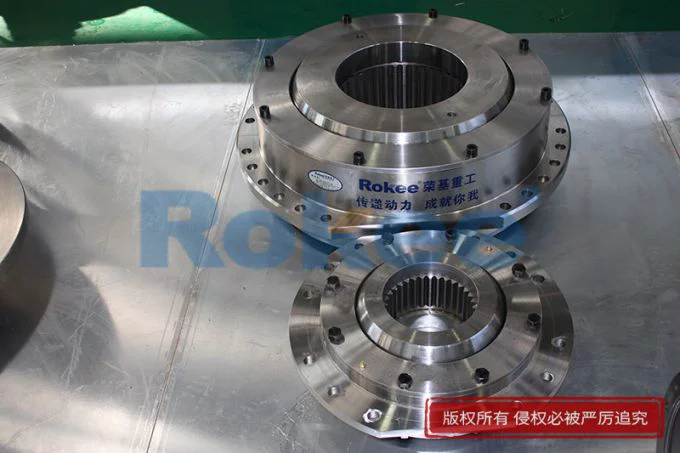
In the complex ecosystem of industrial power transmission systems, couplings serve as the critical link that connects rotating shafts, ensuring the seamless transfer of torque while accommodating misalignments and mitigating operational stresses. Among the diverse range of coupling types available, the industrial barrel coupling stands out for its robust design, versatile performance, and adaptability to heavy-duty and precision applications across multiple industries. Unlike conventional couplings that often prioritize either torque capacity or misalignment compensation, barrel couplings are engineered to balance both, making them a preferred choice for scenarios where reliability, durability, and operational efficiency are non-negotiable.
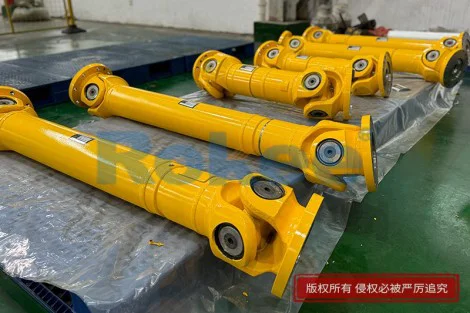
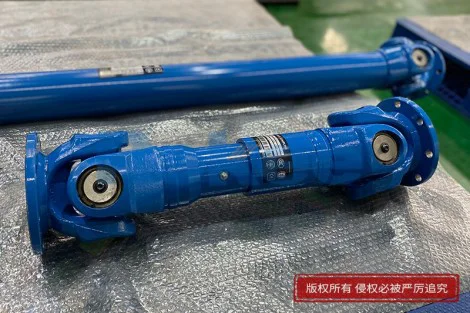
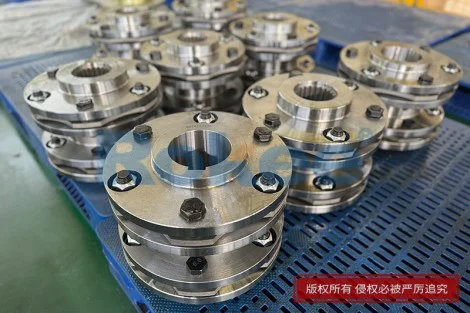
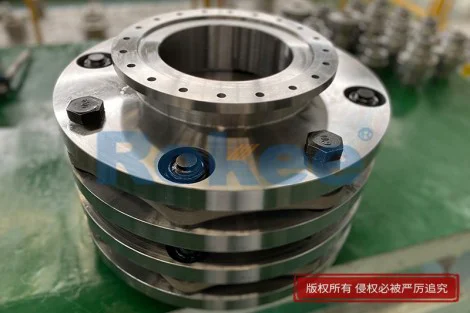
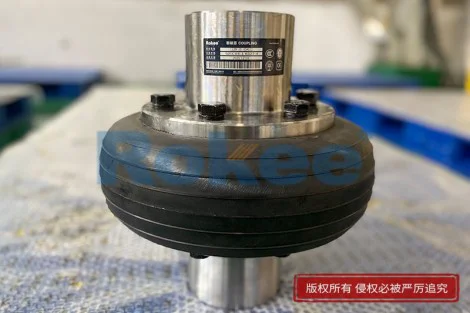
The structure of an industrial barrel coupling is meticulously designed to fulfill its primary function of transmitting torque while accommodating axial, radial, and angular misalignments, which are common in industrial machinery due to installation errors, thermal expansion, and operational vibrations. At its core, a typical barrel coupling consists of several key components that work in tandem to ensure optimal performance. The most distinctive feature of a barrel coupling is its barrel-shaped pins or rollers, which give the coupling its name and are central to its operational mechanism. These barrel-shaped elements are usually made from high-strength materials such as hardened alloy steel, which enhances their wear resistance and load-bearing capacity. The pins are positioned within curved bushings or sockets, creating a contact surface that is significantly larger than that of traditional straight-pin couplings. This curved contact design is a critical structural innovation, as it distributes loads over a wider area, reducing stress concentration and minimizing the risk of premature wear or failure.
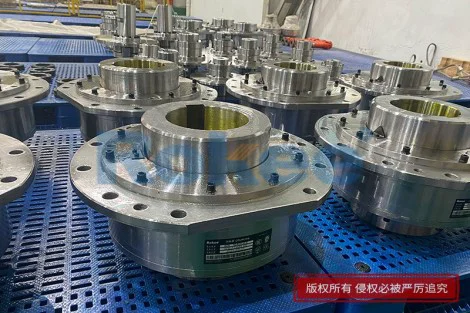
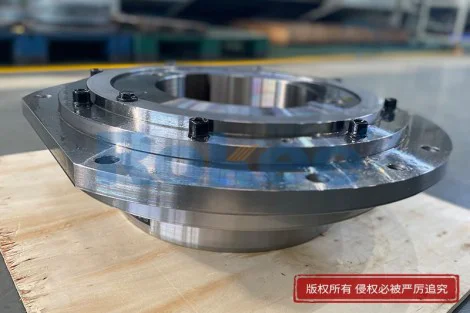
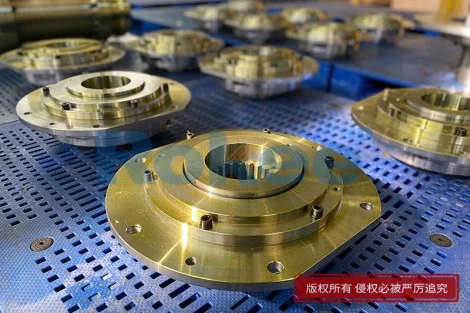
Complementing the barrel pins are the coupling hubs, which are designed to connect to the input and output shafts of the machinery. The hubs are typically manufactured with precision-machined bores that match the shaft diameters, ensuring a secure fit that prevents slippage during operation. In many designs, the hubs feature keyways or splines to further enhance the connection strength, ensuring that torque is transmitted efficiently without any loss. The coupling also includes a sleeve or housing that encloses the barrel pins and bushings, providing protection against external contaminants such as dust, dirt, and moisture, which can degrade the performance of the coupling over time. Sealing elements, such as gaskets or lip seals, are integrated into the sleeve to maintain the integrity of the internal components and retain lubrication, which is essential for reducing friction between the moving parts.
Another integral part of the barrel coupling structure is the compensation mechanism, which allows for misalignment between the connected shafts. This mechanism is achieved through the clearance between the barrel pins and the curved bushings, as well as the design of the hubs and sleeve. The curved surface of the barrel pins enables slight angular movement, while the axial float of the pins within the bushings accommodates axial displacement. Some barrel coupling designs also incorporate spherical elements or flexible components to enhance the misalignment compensation capability, making them suitable for applications where shaft alignment is challenging to maintain. The overall structure is engineered to be rigid enough to transmit high torques, yet flexible enough to absorb shocks and vibrations, protecting both the coupling and the connected machinery from damage.
The performance characteristics of industrial barrel couplings are a direct result of their structural design, and they are specifically tailored to meet the demands of heavy-duty industrial applications. One of the most notable performance features of barrel couplings is their high torque transmission capacity. Due to the large contact area between the barrel pins and bushings, these couplings can handle significantly higher torques compared to traditional pin-and-bushing couplings. The use of high-strength materials further enhances this capacity, allowing barrel couplings to be used in applications such as heavy machinery, mining equipment, and industrial turbines, where large amounts of power need to be transmitted efficiently.
Misalignment compensation is another key performance attribute of industrial barrel couplings. These couplings are capable of accommodating axial, radial, and angular misalignments, which are inevitable in most industrial setups. Axial misalignment, which occurs when the shafts are displaced along their central axis, is compensated through the axial movement of the barrel pins within the bushings. Radial misalignment, caused by the shafts being offset from each other, is addressed by the curved contact surface of the pins, which allows for slight lateral movement. Angular misalignment, where the shafts are not perfectly parallel, is accommodated by the rotation of the barrel pins within the curved bushings, which can typically handle angular deviations of up to 3 degrees depending on the design. This ability to compensate for misalignments reduces stress on the shafts, bearings, and other components, extending the service life of the entire machinery system.
Wear resistance is a critical performance factor for industrial couplings, especially those used in harsh operating environments. Barrel couplings are designed to minimize wear through several mechanisms. The curved contact between the barrel pins and bushings reduces the pressure per unit area, preventing localized wear and the formation of fatigue points. Additionally, the relative motion between the pins and bushings is a combination of rolling and micro-sliding, rather than pure sliding friction, which significantly reduces the coefficient of friction and the generation of frictional heat. This rolling-sliding motion also forms stable wear tracks over time, further improving the contact adaptability and reducing the wear rate. Proper lubrication, which is retained within the sealed sleeve, further enhances wear resistance by creating a protective film between the moving parts, preventing metal-to-metal contact and reducing friction.
Shock and vibration absorption is another important performance characteristic of industrial barrel couplings. The flexible nature of the barrel pin and bushing assembly allows the coupling to absorb sudden shocks and vibrations generated during machinery operation. This not only protects the coupling itself but also reduces the transmission of vibrations to other components, such as motors, reducers, and bearings, which can be damaged by excessive vibration over time. The ability to absorb shocks also makes barrel couplings suitable for applications with frequent start-stop cycles or variable load conditions, such as in construction equipment or material handling systems.
Industrial barrel couplings are available in a variety of types, each designed to meet specific application requirements based on factors such as torque capacity, misalignment compensation, operating environment, and installation constraints. One common type is the drum tooth barrel coupling, which features internal and external gear teeth with a drum-shaped profile. The external teeth of the hub are curved to form a barrel shape, while the internal teeth of the sleeve mesh with these external teeth. This design combines the torque transmission capacity of gear couplings with the misalignment compensation capability of barrel couplings, making them suitable for heavy-duty applications such as metallurgy, mining, and crane systems. Drum tooth barrel couplings are particularly effective in transmitting large torques while accommodating moderate misalignments, and they are often used in applications where high reliability and long service life are required.
Another type of industrial barrel coupling is the spherical roller barrel coupling, which incorporates spherical rollers instead of cylindrical barrel pins. These rollers are positioned within spherical sockets, allowing for greater angular misalignment compensation compared to traditional barrel couplings. Spherical roller barrel couplings are designed to handle high radial loads in addition to torque, making them suitable for applications such as conveyor systems, pumps, and fans, where radial forces are present. The spherical design also allows for self-alignment, reducing the need for precise installation and alignment, which can save time and labor during setup.
Internal spline barrel couplings are another variant, featuring a splined sleeve design that connects to the output shaft of the reducer or motor. The spline connection provides a secure and efficient means of torque transmission, while the barrel pins accommodate misalignments. These couplings are often used in applications where the coupling needs to be integrated with splined shafts, such as in automotive transmissions, industrial gearboxes, and heavy machinery. The internal spline design also allows for easy installation and removal, making maintenance more convenient.
Ball and drum gear barrel couplings are a specialized type that combines the features of ball couplings and drum gear couplings. The outer sleeve features a spherical drum tooth design, which reduces the requirements for shafting installation accuracy and increases the overload capacity. These couplings have a higher safety factor compared to other types, making them suitable for critical applications such as nuclear power, gas turbines, and wind power systems. The ball and drum gear design also provides enhanced compensation capability, allowing for greater misalignments while maintaining high torque transmission efficiency.
In addition to these main types, there are also custom-designed barrel couplings that are tailored to specific application requirements. These custom couplings may feature unique materials, dimensions, or configurations to meet the demands of specialized industries or operating conditions. For example, couplings used in high-temperature environments may be manufactured from heat-resistant materials, while those used in corrosive environments may be coated or made from corrosion-resistant alloys.
The applications of industrial barrel couplings are wide-ranging, spanning across numerous industries where reliable power transmission and misalignment compensation are essential. One of the primary application areas is the metallurgical industry, where barrel couplings are used in rolling mills, steelmaking equipment, and metallurgical furnaces. In these applications, the couplings must transmit large torques while accommodating misalignments caused by thermal expansion and heavy loads. The robust design and high wear resistance of barrel couplings make them ideal for this harsh environment, where dust, high temperatures, and heavy vibrations are common.
The lifting and transportation industry is another major user of industrial barrel couplings. Cranes, hoists, and winches rely on barrel couplings to connect the motor and reducer to the drum, transmitting the torque needed to lift and move heavy loads. The ability of barrel couplings to handle radial loads and accommodate misalignments is critical in these applications, as the drum often experiences significant radial forces during operation. Additionally, the shock absorption capability of barrel couplings helps to protect the crane components from the sudden shocks associated with lifting and lowering heavy loads.
The mining industry also benefits greatly from the use of industrial barrel couplings. Mining equipment such as crushers, conveyors, and hoisting systems require couplings that can withstand high torques, heavy loads, and harsh operating conditions. Barrel couplings are used in these applications to connect the motor to the equipment, ensuring efficient power transmission while accommodating misalignments caused by the uneven terrain and heavy vibrations common in mining operations. The wear resistance and durability of barrel couplings make them suitable for long-term use in mining environments, reducing maintenance costs and downtime.
Power generation is another important application area for industrial barrel couplings. In power plants, both conventional and renewable, barrel couplings are used in turbines, generators, and other power transmission equipment. The high torque capacity and misalignment compensation capability of these couplings ensure that power is transmitted efficiently from the turbine to the generator, even when there are slight misalignments due to thermal expansion or installation errors. Barrel couplings are also used in wind power systems, where they connect the wind turbine rotor to the generator, handling the variable torques and misalignments caused by wind fluctuations.
The general manufacturing industry also uses industrial barrel couplings in a wide range of applications, including machine tools, pumps, fans, and compressors. In machine tools, barrel couplings are used to connect the motor to the spindle, ensuring precise torque transmission and accommodating misalignments that may occur during operation. This precision is essential for maintaining the accuracy of the machining process, resulting in high-quality products. In pumps and fans, barrel couplings help to transmit power efficiently while reducing vibrations, which can improve the performance and service life of the equipment.
Other application areas for industrial barrel couplings include the oil and gas industry, where they are used in pumps, compressors, and drilling equipment; the marine industry, where they are used in ship propulsion systems; and the construction industry, where they are used in construction machinery such as excavators, bulldozers, and concrete mixers. In each of these applications, the unique combination of torque capacity, misalignment compensation, wear resistance, and shock absorption makes barrel couplings an indispensable component of the power transmission system.
The versatility and reliability of industrial barrel couplings make them a critical component in modern industrial operations. Their structural design, which emphasizes large contact areas, high-strength materials, and effective misalignment compensation, enables them to perform effectively in a wide range of operating conditions. The various types of barrel couplings available ensure that there is a solution for almost any application, from heavy-duty industrial machinery to precision equipment. As industries continue to evolve and demand higher levels of performance and reliability, the role of industrial barrel couplings is likely to become even more important. By understanding the structure, performance, types, and applications of these couplings, industrial operators can make informed decisions about their selection and use, ensuring optimal performance and longevity of their machinery systems.
In conclusion, industrial barrel couplings are a vital part of power transmission systems across numerous industries, offering a unique balance of torque capacity, misalignment compensation, wear resistance, and shock absorption. Their robust structural design, which includes barrel-shaped pins, precision-machined hubs, and sealed sleeves, ensures that they can withstand the harsh conditions of industrial operations. The various types of barrel couplings, from drum tooth to spherical roller designs, cater to different application requirements, making them highly versatile. Whether in metallurgy, mining, power generation, or general manufacturing, industrial barrel couplings play a crucial role in ensuring the efficient and reliable operation of machinery, contributing to increased productivity and reduced maintenance costs. As technology advances, it is expected that barrel couplings will continue to be refined and improved, further enhancing their performance and expanding their range of applications.