Barrel Coupling For Crane

In the complex and high-demand world of crane operations, every component plays a critical role in ensuring safety, efficiency, and reliability. Among these components, the barrel coupling stands out as a vital connection element in the transmission system, serving as the bridge between the crane’s gearbox output shaft and the rope drum. Designed specifically to meet the rigorous requirements of crane applications, barrel couplings are engineered to handle heavy loads, transmit high torque, and compensate for misalignments, all while maintaining structural integrity under extreme operating conditions. Unlike standard couplings, which may struggle with the dynamic forces and variable loads encountered in crane operations, barrel couplings are tailored to address the unique challenges of lifting, hoisting, and material handling tasks, making them an indispensable part of modern crane systems.
A barrel coupling is a heavy-duty mechanical component designed primarily for drum drive systems in cranes and hoists. Its core function is to transmit torque from the gearbox to the rope drum, enabling the drum to rotate and lift heavy loads with precision. What sets barrel couplings apart from other types of couplings is their specialized structure, which allows for a combination of high torque transmission capacity and the ability to compensate for axial, radial, and angular misalignments. This compensation capability is crucial in crane applications, where installation errors, structural deflection under load, and thermal expansion can lead to misalignments between the gearbox shaft and the drum shaft. Without effective compensation, these misalignments would cause excessive wear on bearings, shafts, and other transmission components, leading to frequent maintenance, downtime, and potential safety hazards.
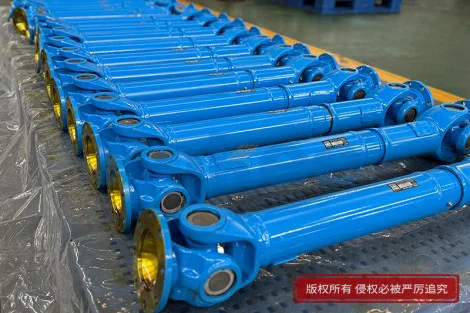
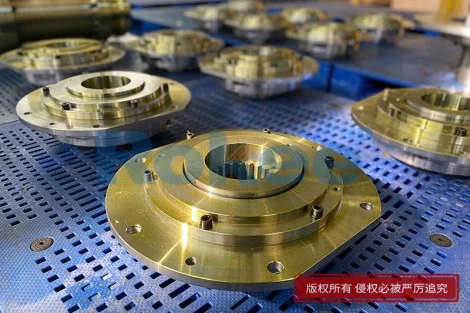
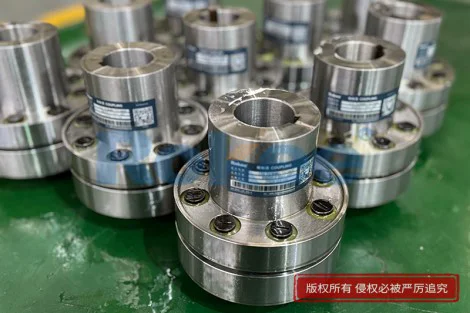
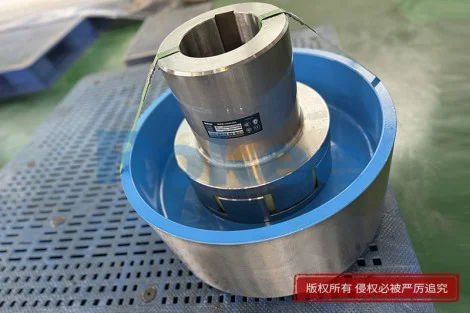
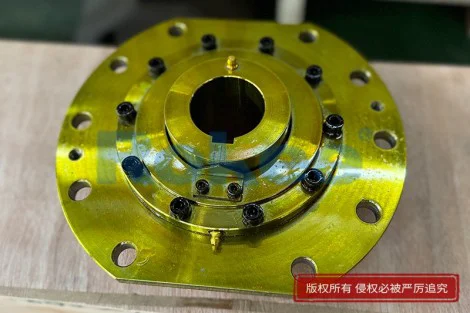
The structural design of a barrel coupling is optimized for the demands of crane operations, with each component serving a specific purpose to ensure optimal performance. Typically, a barrel coupling consists of a housing, a hub, barrel-shaped rollers, and sealing elements. The housing and hub are constructed from high-strength materials to withstand the heavy loads and dynamic forces encountered in crane operations. The housing features semi-circular internal toothing, while the hub is equipped with matching semi-circular external toothing, creating circular receptacles where the barrel rollers are inserted. These barrel rollers, usually made of hardened steel, act as the primary torque transmission elements, transferring power from the hub to the housing (and vice versa) with minimal friction. The curved shape of the barrel rollers is a key design feature, as it allows the hub to oscillate relative to the housing, thereby compensating for angular misalignments. Additionally, the clearance between the rollers, housing, and hub enables limited axial and radial displacement, accommodating thermal expansion and installation inaccuracies.
One of the most significant advantages of barrel couplings for crane applications is their exceptional torque transmission capacity. Cranes are required to lift and move heavy loads, often in excess of several tons, which places enormous stress on the transmission system. Barrel couplings are engineered to handle these high torque demands, with their design distributing the load evenly across the barrel rollers. Unlike traditional pin couplings, which rely on point or line contact and are prone to stress concentration, barrel couplings use surface contact between the curved rollers and the toothed surfaces of the housing and hub. This increased contact area significantly reduces the stress per unit area, allowing the coupling to transmit higher torques without suffering from premature wear or failure. In fact, the surface contact design can increase the load-bearing capacity by two to five times compared to standard pin couplings, depending on the diameter and curvature of the rollers.
Another key benefit of barrel couplings is their ability to minimize wear and extend service life, even under harsh operating conditions. Crane operations often involve frequent starts and stops, reverse loads, and impact forces, all of which can accelerate wear on mechanical components. Barrel couplings address this issue through a unique “rolling-slipping composite motion” between the barrel rollers and the toothed surfaces. Unlike traditional couplings, which experience pure sliding friction that generates high heat and rapid wear, the relative motion between the rollers and the housing/hub in a barrel coupling combines rolling and micro-slipping. This composite motion reduces the coefficient of friction, lowers frictional heat generation, and forms stable wear tracks, which further improve the contact adaptability of the components. As a result, the service life of the coupling components, particularly the rollers and toothed surfaces, is extended by 30% to 300% compared to standard couplings, reducing maintenance frequency and downtime.
The misalignment compensation capability of barrel couplings is another critical factor that makes them ideal for crane applications. In any crane system, perfect alignment between the gearbox output shaft and the drum shaft is nearly impossible to achieve and maintain. Installation errors, foundation deflection under load, bearing wear, and thermal expansion can all cause axial, radial, or angular misalignments. If left uncompensated, these misalignments can lead to excessive vibration, noise, and wear on the transmission system, ultimately resulting in component failure. Barrel couplings are designed to absorb these misalignments through their curved roller design and clearance settings. Angular misalignments can be compensated for by the oscillation of the hub relative to the housing, while axial and radial misalignments are accommodated by the clearance between the rollers and the toothed surfaces. Depending on the coupling size, axial displacements of 3 to 8 millimeters can be handled during operation, ensuring that the transmission system remains stable and efficient even when misalignments occur.
Sealing and lubrication are also important aspects of barrel coupling design, as they protect the internal components from contamination and ensure smooth operation. Crane operations often take place in harsh environments, including construction sites, ports, and industrial facilities, where dust, dirt, moisture, and other contaminants can enter the coupling and cause damage. To prevent this, barrel couplings are equipped with inner and outer covers, along with lip seals, which effectively keep foreign objects out and retain lubricant inside. The lubricant plays a crucial role in reducing friction between the moving components, minimizing wear, and dissipating heat. Proper lubrication ensures that the barrel rollers and toothed surfaces remain in good condition, further extending the service life of the coupling. Some barrel couplings also feature a wear indicator, which allows operators to easily monitor the condition of the rollers and other components, enabling proactive maintenance and preventing unexpected failures.
Barrel couplings are used in a wide range of crane types and applications, each with its own unique requirements. Overhead cranes, gantry cranes, jib cranes, and mobile cranes all rely on barrel couplings to connect the gearbox to the rope drum, ensuring reliable torque transmission and load handling. In overhead cranes, which are commonly used in factories and warehouses for lifting heavy materials, barrel couplings must handle constant start-stop cycles and variable loads, while compensating for any misalignments between the gearbox and drum. Gantry cranes, used in ports and construction sites, require couplings that can withstand outdoor conditions, including temperature fluctuations and exposure to dust and moisture, while transmitting high torques to lift containers and other heavy loads. Jib cranes, with their compact design and limited space, benefit from the compact structure of barrel couplings, which can be installed in tight spaces without compromising performance. Mobile cranes, which are used in various locations and must be transported frequently, require couplings that are durable, easy to maintain, and capable of handling the dynamic forces associated with movement and lifting.
In addition to standard crane applications, barrel couplings are also used in specialized hoisting systems, such as winches, stackers, and reclaimers. These systems often operate in harsh industrial environments, such as steel mills, mines, and power plants, where the coupling must withstand high temperatures, heavy loads, and aggressive contaminants. Barrel couplings are well-suited for these applications due to their high torque capacity, wear resistance, and misalignment compensation capabilities. For example, in steel mills, winches used to handle steel coils require couplings that can transmit high torques while accommodating the misalignments caused by the heavy load and high temperature environment. Barrel couplings provide the necessary durability and performance to ensure reliable operation in these demanding conditions.
Proper installation and maintenance are essential to ensure the optimal performance and longevity of barrel couplings in crane applications. During installation, it is important to ensure that the coupling is aligned as accurately as possible, even though the coupling can compensate for misalignments. Excessive misalignment beyond the coupling’s capacity can lead to premature wear and failure. The coupling should be installed according to the manufacturer’s guidelines, with the correct torque applied to the fasteners to ensure a secure connection. Additionally, the coupling should be properly lubricated before operation, with the appropriate type and amount of lubricant used to ensure smooth movement of the components. Regular maintenance is also crucial, including periodic inspection of the coupling for signs of wear, damage, or lubricant leakage. The wear indicator, if present, should be checked regularly to monitor the condition of the rollers. Any worn or damaged components should be replaced promptly to prevent further damage to the coupling and the transmission system.
When selecting a barrel coupling for a crane application, several factors must be considered to ensure that the coupling meets the specific requirements of the system. The torque capacity of the coupling is one of the most important factors, as it must be able to handle the maximum torque generated by the gearbox. The size of the coupling, including the bore diameter, outer diameter, and overall length, must be compatible with the gearbox shaft and drum shaft. The misalignment compensation capacity of the coupling should also be considered, based on the expected misalignments in the system. Additionally, the operating environment, including temperature, humidity, and exposure to contaminants, should be taken into account when selecting the material and sealing elements of the coupling. High-strength materials, such as alloy steel, are often used for the housing and hub to ensure durability, while corrosion-resistant materials may be required for applications in harsh or corrosive environments.
The role of barrel couplings in ensuring the safety of crane operations cannot be overstated. Cranes are responsible for lifting and moving heavy loads, and any failure in the transmission system can lead to catastrophic accidents, resulting in damage to equipment, injury to personnel, and loss of valuable goods. Barrel couplings are designed to be highly reliable, with a robust structure that can withstand the dynamic forces and variable loads encountered in crane operations. Their ability to compensate for misalignments and minimize wear reduces the risk of component failure, ensuring that the crane operates safely and efficiently. Additionally, the wear indicator feature allows for proactive maintenance, enabling operators to identify potential issues before they escalate into serious problems.
In recent years, advancements in materials and manufacturing technologies have led to improvements in barrel coupling design and performance. High-strength alloys and heat treatment processes have increased the torque capacity and durability of barrel couplings, allowing them to handle even higher loads and harsher operating conditions. Precision machining techniques have improved the accuracy of the toothed surfaces and barrel rollers, reducing friction and wear and improving the overall efficiency of the coupling. Additionally, the development of advanced sealing systems has enhanced the protection of internal components from contamination, further extending the service life of the coupling. These advancements have made barrel couplings even more reliable and efficient, making them an essential component in modern crane systems.
In conclusion, barrel couplings are a critical component in crane transmission systems, providing the necessary torque transmission, misalignment compensation, and durability required for safe and efficient crane operations. Their specialized design, which includes curved barrel rollers, high-strength materials, and effective sealing systems, allows them to handle the heavy loads, dynamic forces, and harsh operating conditions encountered in crane applications. Whether used in overhead cranes, gantry cranes, mobile cranes, or specialized hoisting systems, barrel couplings play a vital role in ensuring the reliability and safety of the equipment. Proper selection, installation, and maintenance of barrel couplings are essential to maximize their performance and longevity, reducing downtime and maintenance costs while ensuring the safe operation of cranes in various industrial and commercial applications. As crane technology continues to evolve, barrel couplings will remain a key component, adapting to meet the growing demands of modern material handling and lifting operations.