Barrel Coupling Manufacturer

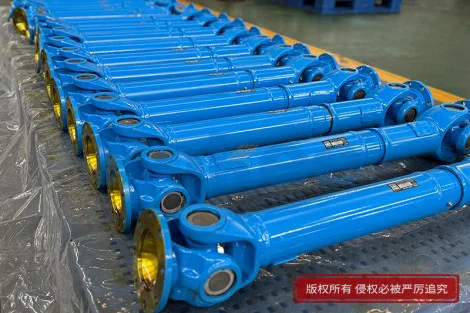
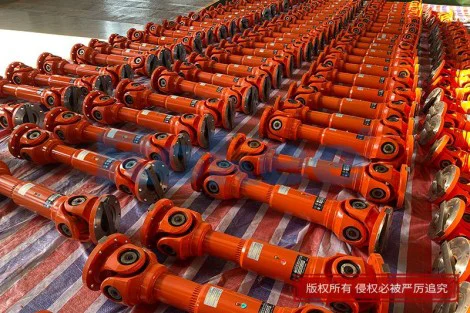
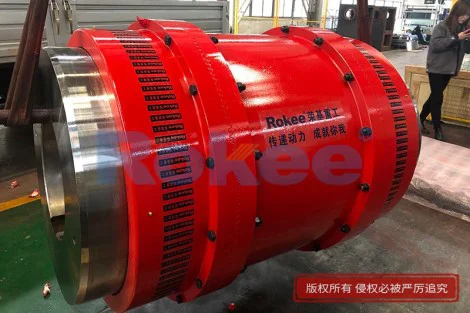
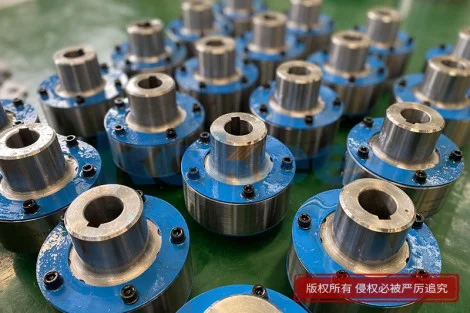
In the realm of mechanical power transmission, barrel couplings stand as a critical component designed to address the unique challenges of heavy-duty industrial applications, particularly in systems requiring reliable torque transfer, axial displacement compensation, and resistance to wear and impact. As a dedicated barrel coupling manufacturer, the focus is on engineering products that seamlessly integrate into diverse industrial setups, ensuring optimal performance, durability, and adaptability across a wide range of operating conditions. These couplings are specifically engineered to connect rotating shafts, especially in drum drive systems, where they play a pivotal role in bridging the gap between reducers and drums, while accommodating misalignments and absorbing operational stresses that would otherwise compromise system integrity.
The core of barrel coupling manufacturing lies in a deep understanding of the structural nuances that define these components’ functionality. Unlike traditional couplings that rely on point or line contact, barrel couplings feature a unique curved contact structure between the barrel-shaped pins and bushings, which is a key differentiator in their performance. This design choice significantly expands the contact area, distributing loads over a larger surface and reducing unit stress—a critical advantage in heavy-duty applications where stress concentration can lead to premature wear, fatigue cracks, and system failure. The barrel-shaped pins, with their convex profile, fit perfectly into curved bushings, creating a surface contact that enhances load-bearing capacity by two to five times compared to conventional straight pin couplings, depending on the diameter and curvature of the components. This structural advantage makes barrel couplings ideal for use in industries such as metallurgy, power generation, mining, and material handling, where equipment is subjected to high torque, frequent impact loads, and reverse operational cycles.
Another key aspect of barrel coupling design that manufacturers prioritize is the “rolling-sliding composite motion” between the pins and bushings. Unlike traditional couplings that rely on pure sliding friction, which generates excessive heat and accelerates wear, barrel couplings utilize a combination of rolling and micro-sliding motion. This reduces the coefficient of friction, minimizes frictional heat buildup, and forms stable wear tracks that improve contact adaptability over time. The result is a significant reduction in lubrication requirements, as well as a decrease in material fatigue caused by excessive heat. This design feature extends the service life of the pins and bushings by 30% to 300%, depending on the application and operating conditions, making barrel couplings a cost-effective solution for long-term industrial use. Manufacturers carefully optimize the clearance between pins, bushings, and end caps to ensure this composite motion functions smoothly, while maintaining the structural integrity of the coupling.
Controllable axial, radial, and angular compensation is another critical feature engineered into barrel couplings by reputable manufacturers. The internal structure of these couplings is designed to accommodate limited axial displacement, radial misalignment, and angular deviation, which are common in industrial settings due to thermal expansion, installation errors, and structural deformation. This compensation capability is achieved through precise clearance design and the inherent flexibility of the coupling’s components, allowing it to absorb thermal expansion during drum operation, compensate for on-site alignment difficulties, and protect bearings and drive ends from axial thrust impacts. For winches, cranes, and other lifting equipment, where drum floating is a structural requirement, this compensation capability is particularly valuable, as it ensures the system operates smoothly without excessive stress on connected components. Manufacturers conduct rigorous testing to determine the optimal compensation range for each coupling type, ensuring it meets the specific needs of different industrial applications.
The manufacturing process of barrel couplings involves a series of precision steps, each carefully executed to ensure the final product meets the highest standards of quality and performance. Material selection is a foundational step, with manufacturers choosing materials based on the specific application requirements of the coupling. Common materials include high-strength alloy steels, which offer excellent tensile strength, wear resistance, and durability, making them suitable for heavy-duty applications. For applications requiring corrosion resistance, such as those in marine or chemical environments, manufacturers may use stainless steel or other corrosion-resistant alloys. The materials are carefully inspected for purity and consistency, with strict quality control measures in place to eliminate defects that could compromise the coupling’s performance.
Once the materials are selected, the manufacturing process proceeds with precision machining. The barrel-shaped pins, bushings, and other components are machined using advanced CNC equipment, which ensures tight tolerances and consistent dimensions. The curved surfaces of the pins and bushings are carefully ground to achieve the optimal profile, ensuring maximum contact area and smooth motion. Manufacturers also pay close attention to the surface finish of the components, as a smooth surface reduces friction and wear, extending the coupling’s service life. After machining, the components undergo heat treatment processes, such as quenching and tempering, to enhance their hardness, strength, and toughness. This heat treatment ensures the components can withstand the high loads and stresses encountered in industrial operations, preventing premature failure.
Assembly is another critical stage in the manufacturing process, where precision and attention to detail are paramount. Manufacturers assemble the coupling components with careful alignment, ensuring that the pins fit securely into the bushings and that all parts are properly seated. Sealing systems are integrated to prevent the ingress of dust, dirt, and other contaminants, which can damage the internal components and reduce the coupling’s performance. Some barrel couplings are also equipped with lubrication holes to facilitate easy maintenance and ensure smooth operation over time. During assembly, manufacturers conduct thorough inspections to check for any misalignments or defects, making adjustments as needed to ensure the coupling meets the required specifications.
Quality control is an integral part of the manufacturing process, with manufacturers implementing strict testing protocols to ensure each barrel coupling meets the highest standards of performance and reliability. These tests include torque capacity testing, which verifies the coupling’s ability to transmit the required torque without failure; misalignment testing, which checks the coupling’s ability to accommodate axial, radial, and angular misalignments; and wear testing, which evaluates the durability of the components under simulated operating conditions. Manufacturers also conduct dimensional inspections to ensure all components meet the specified tolerances, and non-destructive testing to detect any internal defects that may not be visible to the naked eye. Only after passing all these tests is a barrel coupling deemed ready for delivery to customers.
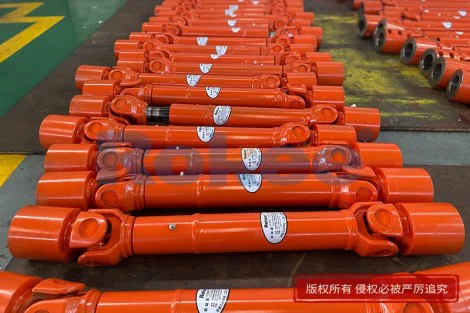
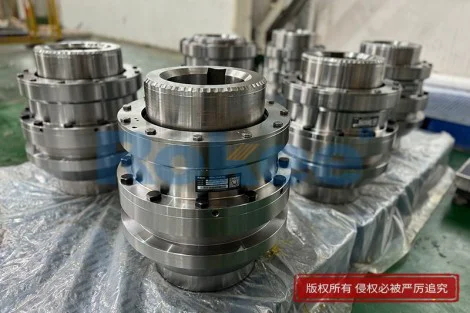
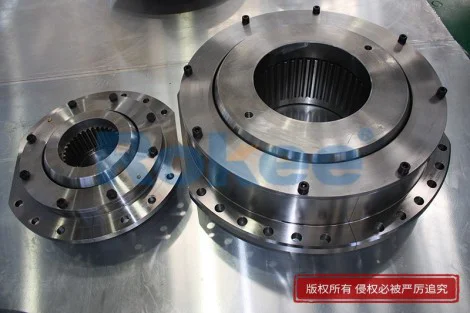
Barrel couplings are available in a variety of types and configurations, each designed to meet the specific needs of different industrial applications. Some common types include DC drum couplings, which are designed with drum teeth for connecting reducers and drums in crane transmission systems, and can bear radial loads and transmit large torque. WJ and WJA spherical roller drum couplings feature spherical rollers, connecting flanges, and sealing systems, offering high torque transmission and radial load-bearing capabilities, with the WJA type incorporating an involute spline pair design for enhanced connection stability. WZL internal spline drum couplings are spherical hinged couplings with inner spherical surfaces and splined sleeve designs, capable of withstanding large torque and radial loads, with a maximum angular displacement compensation of up to 3 degrees. RWC ball & drum gear drum couplings feature a spherical drum tooth design, offering lower installation accuracy requirements, higher torque transmission, and stronger overload capacity compared to other types.
The versatility of barrel couplings makes them suitable for a wide range of industrial applications. They are commonly used in lifting equipment, such as cranes, winches, and hoists, where they connect the reducer output shaft to the cable drum, ensuring reliable torque transfer and accommodating the misalignments that occur during operation. In steel mills, barrel couplings are used in rolling mills, conveyors, and stackers and reclaimers, where they withstand high temperatures, heavy loads, and frequent impact. They are also used in mining equipment, such as hoisting systems and conveyors, where durability and reliability are critical in harsh operating environments. Additionally, barrel couplings find applications in power plants, chemical processing facilities, and other industrial settings where heavy-duty power transmission is required.
One of the key advantages of working with a dedicated barrel coupling manufacturer is the ability to access customized solutions tailored to specific application requirements. Manufacturers work closely with customers to understand their unique needs, including torque requirements, misalignment compensation needs, operating temperatures, and environmental conditions. Based on this information, they design and manufacture barrel couplings that are optimized for the customer’s specific application, ensuring maximum performance and reliability. Customization options may include modifications to the coupling’s size, material, design, and sealing system, as well as the integration of special features such as wear indicators, which allow for easy monitoring of the coupling’s condition and timely maintenance.
Maintenance is an important consideration for ensuring the long-term performance of barrel couplings, and manufacturers provide guidance on proper installation, lubrication, and maintenance practices. Before installation, it is important to clean the mating surfaces of the connections, removing grease, burrs, and oil stains to ensure a secure fit. During installation, the coupling should be properly aligned to minimize stress and ensure smooth operation. Regular lubrication is essential to reduce friction and wear, with manufacturers recommending the use of high-quality lubricants that are compatible with the coupling’s materials and operating conditions. Additionally, regular inspections should be conducted to check for wear, damage, or misalignment, with any issues addressed promptly to prevent further damage to the coupling or connected equipment. Some barrel couplings are equipped with wear indicators, which make it easy to monitor the wear condition of the components and schedule maintenance accordingly.
In conclusion, barrel coupling manufacturers play a critical role in the industrial sector by designing and producing high-quality, reliable components that enable efficient power transmission in heavy-duty applications. Through a combination of innovative design, precision manufacturing, and strict quality control, these manufacturers ensure that their barrel couplings meet the diverse needs of customers across a wide range of industries. The unique structural features of barrel couplings, including curved contact surfaces, rolling-sliding composite motion, and controllable compensation capabilities, make them a superior choice for applications requiring durability, reliability, and long service life. Whether for standard or customized solutions, a dedicated barrel coupling manufacturer is committed to delivering products that enhance the performance and efficiency of industrial systems, while reducing maintenance costs and minimizing downtime. As industrial technology continues to evolve, manufacturers will continue to innovate, developing new and improved barrel coupling designs that meet the changing needs of the global industrial market.