Gear Coupling For Sale

Gear couplings stand as one of the most reliable and high-performance power transmission components widely utilized in modern industrial mechanical systems. As flexible mechanical transmission devices, they are specially designed to connect two rotating shafts, stably transmitting torque and rotational motion while effectively resolving common shaft alignment deviations that occur during equipment installation and operation. Unlike rigid coupling structures that lack adaptive flexibility, gear couplings integrate precision meshing gear tooth structures, enabling them to accommodate angular, parallel, and axial misalignments between shafts without compromising transmission stability. Boasting outstanding torque density, compact structural design, and strong adaptability to harsh working conditions, these couplings have become indispensable core parts for heavy-duty, high-speed, and continuous operating mechanical equipment. With growing industrial upgrading and increasing demand for high-efficiency mechanical operation, high-quality gear couplings have maintained stable market demand, favored by equipment maintenance, mechanical supporting, and industrial upgrading scenarios across various industries.
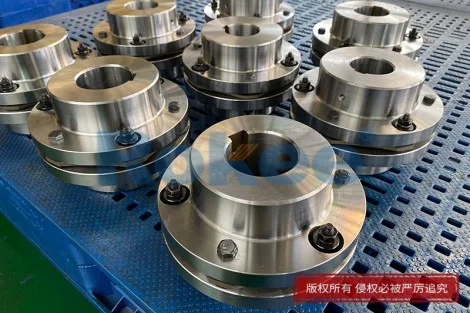
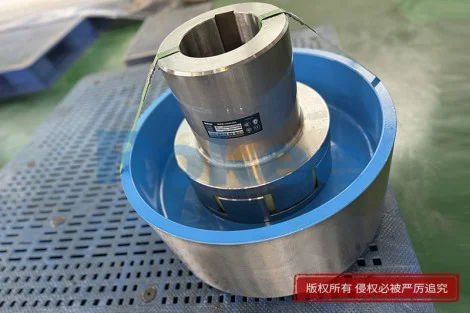
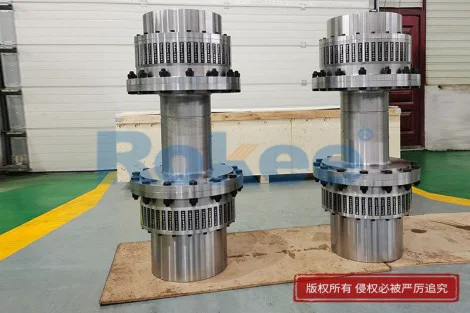
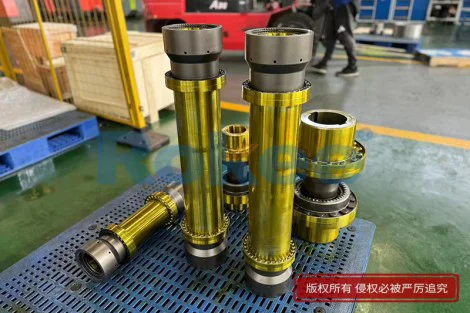
The core structural design of gear couplings lays a solid foundation for their superior transmission performance and wide industrial adaptability. A standard gear coupling mainly consists of two external gear hubs and two internal gear sleeves with flanges, forming a double-sided meshing transmission structure through precise gear tooth matching. Most premium gear couplings adopt crowned gear tooth profiles, a refined structural optimization that effectively reduces tooth surface friction, eliminates radial clearance, and minimizes backlash during operation. This unique tooth design allows the gear teeth to maintain uniform contact even when shaft misalignment occurs, avoiding local stress concentration and abnormal wear that plague ordinary flat-tooth transmission structures. The overall all-metal integrated structure endows the coupling with excellent structural rigidity and pressure resistance, enabling it to withstand long-term high-load operation without structural deformation or performance attenuation. Meanwhile, the reasonable clearance design between internal and external gears reserves sufficient space for multi-dimensional displacement compensation, perfectly adapting to shaft position changes caused by equipment vibration, thermal expansion, and installation errors in complex working environments.
One of the most prominent advantages of gear couplings is their exceptional torque transmission capacity and high power density performance. In comparison with other types of flexible couplings of the same volume and size, gear couplings can transmit far higher torque, achieving an optimal balance between compact structure and strong load-bearing capacity. This high torque density characteristic makes them particularly suitable for heavy-duty industrial scenarios where equipment space is limited but transmission load requirements are stringent. During continuous operation, the meshing gear tooth structure realizes nearly lossless power transmission, with extremely high transmission efficiency that effectively converts mechanical power into effective rotational force, avoiding energy waste in the transmission link. Whether in low-speed heavy-load working conditions requiring stable torque output or medium and high-speed rotating scenarios demanding consistent power transmission, gear couplings can maintain stable working performance. Additionally, their uniform stress distribution structure prevents fatigue damage under long-term alternating loads, ensuring continuous and reliable power output for mechanical equipment in round-the-clock operating environments.
Gear couplings possess comprehensive misalignment compensation capabilities, which is the key reason for their wide application in complex industrial working conditions. Mechanical equipment inevitably produces various shaft deviations during installation and daily operation, including parallel offset between two shafts, angular deflection, and axial telescopic displacement caused by thermal expansion. Ordinary transmission components often fail to adapt to these deviations, leading to increased equipment vibration, aggravated component wear, and even mechanical failure and production shutdowns. In contrast, the flexible meshing structure of gear couplings can simultaneously compensate for all three types of shaft misalignment. The sliding fit between internal and external gears allows free axial telescopic movement of shafts within a certain range, releasing axial extrusion stress generated by thermal expansion. The crowned tooth profile adapts to angular deflection of shafts, while the structural gap design offsets parallel offset, ensuring the transmission system operates in a stable state at all times. This all-round adaptive performance greatly reduces the failure rate of transmission systems and improves the overall operational stability of mechanical equipment.
Adaptability to harsh working environments is another vital feature that distinguishes high-quality gear couplings from ordinary transmission components. Industrial production scenarios often involve extreme working conditions such as high temperature, heavy dust, severe vibration, and continuous alternating loads, which pose strict tests on the durability and stability of mechanical parts. Gear couplings are mostly manufactured from high-strength alloy materials with special surface treatment processes, giving them excellent high-temperature resistance, wear resistance, and anti-fatigue performance. They can maintain stable structural and transmission performance in long-term high-temperature operating environments without softening, deformation, or tooth surface damage. The dense all-metal structure also effectively resists erosion and interference from dust, impurities, and moist air in the working environment, avoiding structural corrosion and transmission failure caused by environmental factors. Moreover, the optimized internal stress structure enables the couplings to withstand strong vibration and impact loads during equipment startup, shutdown, and variable-load operation, ensuring long-term stable operation of equipment in harsh and changeable industrial scenarios.
Gear couplings feature convenient assembly, disassembly and low daily maintenance costs, bringing significant economic benefits to industrial production and equipment operation. The optimized structural design simplifies the overall assembly process without complicated positioning and debugging steps. The trumpet-shaped tooth end design of external gears facilitates quick butt joint and meshing with internal gear sleeves, greatly improving installation efficiency and reducing manual operation errors. In terms of daily maintenance, the sealed structural design effectively isolates lubricating grease from external dust and impurities, prolonging the service cycle of lubricants and reducing the frequency of grease replacement. Regular maintenance only requires simple inspection of tooth surface wear, lubrication status and fastening tightness of connecting parts, without complex professional operation or disassembly of the entire transmission system. Long service life and low maintenance frequency effectively reduce equipment downtime and component replacement costs, helping enterprises save daily operation and maintenance expenses while improving the continuous operation efficiency of production lines.
The application scope of gear couplings covers almost all heavy industrial fields involving mechanical power transmission, showing extremely high industrial practical value. In the metallurgical industry, they serve as core transmission components for rolling mills and processing equipment, stably transmitting power to support high-intensity continuous metal processing operations. In the mining and engineering machinery industry, they adapt to heavy-load and high-vibration working conditions of mining equipment, crushers and conveying machinery, ensuring stable power output of large mechanical equipment. In the petrochemical and energy fields, gear couplings support the long-term stable operation of compressors, pumps and power transmission equipment, adapting to complex and changeable production environments. Additionally, they are widely used in lifting transportation, cement manufacturing, power generation and other industries, becoming universal supporting components for various large and medium-sized mechanical transmission systems due to their stable performance, strong adaptability and high cost performance.
With the continuous progress of mechanical manufacturing technology and the upgrading of industrial production standards, the performance of gear couplings is constantly optimized and improved, and their market application prospects remain broad. Modern manufacturing processes further refine the gear tooth precision and structural matching degree of gear couplings, effectively reducing operation noise and vibration while improving transmission stability and service life. Advanced material processing technologies enhance the wear resistance, corrosion resistance and fatigue resistance of products, enabling them to adapt to more extreme industrial working conditions. At present, the industrial demand for high-efficiency, low-maintenance and long-life transmission components is continuously rising, and gear couplings, as mature and reliable flexible transmission products, can well meet the core needs of industrial equipment upgrading and intelligent production. In the future, with the continuous development of heavy industry, intelligent manufacturing and equipment renewal, high-quality gear couplings will continue to occupy an important position in the industrial parts market and provide stable support for efficient operation of various mechanical systems.