Application Of Teeth Coupling is The Core Of Transmission In Sandwich Panel Production Line
In the modern construction and industrial manufacturing fields, sandwich panels have become indispensable core materials due to their excellent comprehensive performance, including light weight, high structural strength, thermal insulation, sound insulation, and corrosion resistance. These panels are widely used in the construction of external walls, roofs, cold storage facilities, prefabricated buildings, and industrial workshops, driving the continuous development and upgrading of the sandwich panel production industry. A sandwich panel production line is a complex integrated system that involves multiple sequential processes, such as uncoiling of surface materials, roll forming, core material processing, lamination, foaming (for polyurethane or other foam core panels), curing, and precision cutting. Each link requires stable, accurate, and efficient power transmission to ensure the consistency of product quality, the continuity of the production process, and the improvement of production efficiency. Among all the transmission components in the production line, the teeth coupling stands out as the core component that undertakes the key power transmission task. Its unique structural design, excellent transmission performance, and strong adaptability to harsh working conditions make it an indispensable part of the sandwich panel production line, directly determining the stable operation and production efficiency of the entire line.
To understand the core role of teeth coupling in the transmission system of sandwich panel production lines, it is first necessary to clarify the working characteristics of the production line and the core requirements for the transmission system. A modern sandwich panel production line is a continuous and automated production system that integrates mechanical manufacturing, electronic control, hydraulic drive, and even chemical reaction technologies (such as the foaming process of PU sandwich panels). The entire production line is composed of multiple functional modules, and each module is driven by an independent power source (such as a motor). The power needs to be accurately and stably transmitted to various executive components, such as uncoiling rollers, forming rollers, conveyor belts, foaming pumps, and cutting blades, to ensure that all modules operate in a synchronized and coordinated manner. The transmission system of the production line faces several key challenges: first, due to the limitations of the production process and the overall layout of the equipment, the installation positions of each functional module are often not on the same axis, resulting in angular deviations, radial deviations, or axial deviations between the driving shaft and the driven shaft; second, during long-term continuous operation, the equipment will generate vibration and thermal expansion, which will further change the relative position of the shafts, requiring the transmission components to have a certain displacement compensation capacity; third, the production environment of sandwich panels often has dust, mechanical debris, and even certain corrosive substances (such as the auxiliary materials used in the foaming process), which requires the transmission components to have good sealing performance and wear resistance; fourth, the production line needs to adapt to the production of sandwich panels of different specifications and thicknesses, which requires the transmission system to have strong load-bearing capacity and stable transmission efficiency under different working conditions. It is precisely because of these strict requirements that the teeth coupling has become the preferred transmission component for sandwich panel production lines, as it can perfectly meet all the above-mentioned transmission needs.
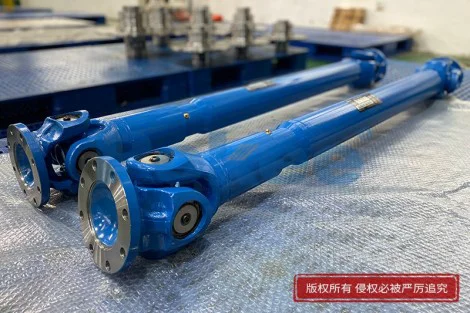
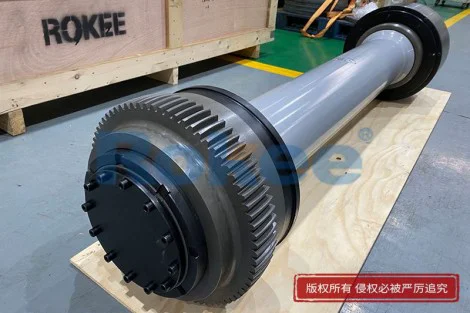
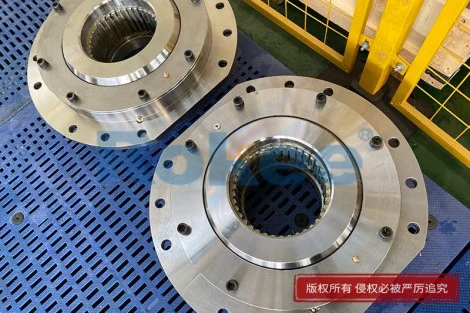
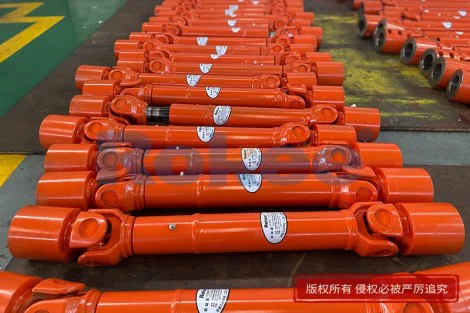
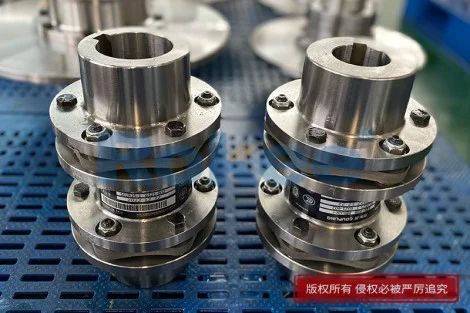
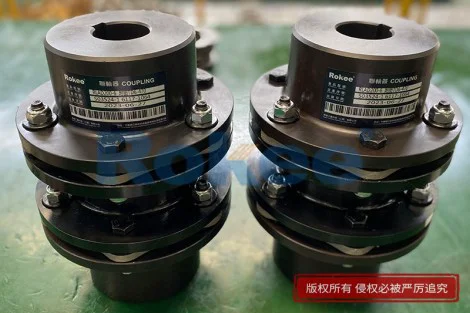
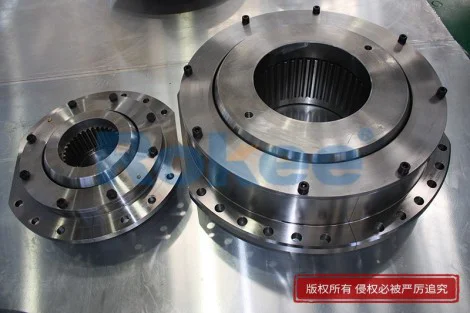
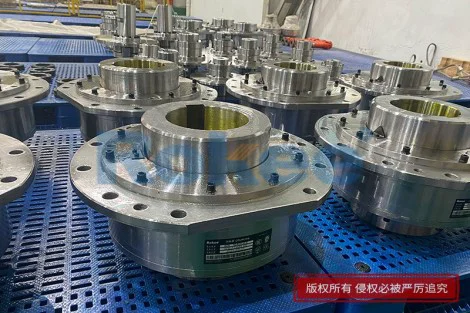
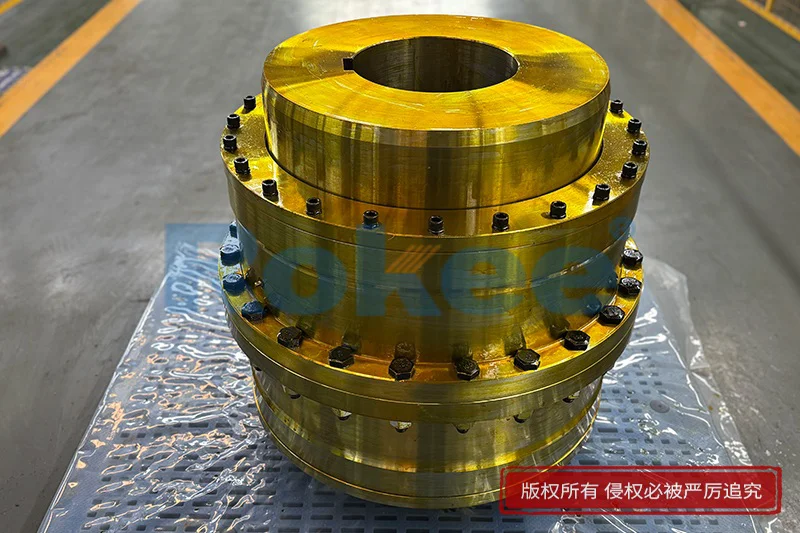
The teeth coupling, also known as the gear coupling, is a mechanical transmission component that realizes power transmission through the meshing of internal and external gears. Its basic structure mainly includes external gear sleeves, internal gear rings, end covers, sealing devices, and fasteners. The external gear sleeve is usually installed at the end of the driving shaft or driven shaft, with external teeth processed on its surface; the internal gear ring is matched with the external gear sleeve, with internal teeth that mesh with the external teeth of the sleeve; the end cover is used to fix and protect the internal components, while the sealing device can effectively prevent dust, debris, and other impurities from entering the interior of the coupling, and also prevent the leakage of lubricating oil, ensuring the stable operation of the coupling. The core advantage of the teeth coupling lies in its unique gear meshing design, which not only enables it to transmit large torque but also has excellent displacement compensation capacity, which is crucial for the stable operation of the sandwich panel production line. Unlike ordinary rigid couplings, the teeth coupling can allow a certain degree of angular displacement, radial displacement, and axial displacement between the two connected shafts, which can effectively compensate for the misalignment caused by equipment installation errors, vibration, and thermal expansion, avoiding excessive stress on the shafts and bearings, and thus extending the service life of the entire transmission system.
In the specific application of the sandwich panel production line, the teeth coupling is widely used in various key transmission links, and its role in each link is irreplaceable. Taking the uncoiling and forming link as an example, this link is the starting point of the entire production line, responsible for uncoiling the coiled surface materials (such as color-coated steel plates, aluminum alloy plates) and forming them into the required shape through the forming rollers. The uncoiling roller and forming roller need to be driven by a motor to rotate at a stable speed, and the power transmission between the motor and the rollers is realized through the teeth coupling. During the uncoiling process, the tension of the surface material needs to be kept stable to avoid wrinkles or breakage of the material; during the forming process, the forming rollers need to maintain a consistent rotation speed and torque to ensure the uniformity of the shape and size of the surface material. The teeth coupling has high transmission accuracy and stable torque transmission capacity, which can ensure that the motor's power is accurately transmitted to the rollers, making the rotation speed of the rollers consistent and the torque stable. At the same time, due to the displacement compensation capacity of the teeth coupling, it can effectively absorb the vibration generated during the operation of the uncoiling and forming equipment, avoid the impact of vibration on the transmission system, and ensure the smooth progress of the uncoiling and forming process.
The core material processing and lamination link is another key part of the sandwich panel production line, and the teeth coupling also plays a core transmission role here. For different types of sandwich panels, the core material processing methods are different. For example, for rock wool sandwich panels, the core material needs to be cut into the required thickness and then conveyed to the lamination link; for polyurethane (PU) sandwich panels, the core material needs to go through a foaming process, and the foaming pump needs to deliver the foaming material to the lamination area at a stable flow rate. In these processes, the conveying rollers, cutting equipment, and foaming pumps all need stable power transmission. The teeth coupling is used to connect the motor and these executive components, ensuring that the power is transmitted stably and efficiently. In the lamination link, the upper and lower surface materials and the core material need to be pressed together under a certain temperature and pressure to form a firm composite structure. The pressing roller in the lamination equipment needs to maintain a stable rotation speed and pressure, which requires the transmission system to have strong load-bearing capacity and stable transmission performance. The teeth coupling has a high torque transmission capacity, which can meet the load requirements of the pressing roller, and its compact structure can save installation space, making it suitable for the limited installation space of the lamination equipment. In addition, the sealing performance of the teeth coupling can prevent the dust and debris generated during the core material processing from entering the coupling, avoiding wear of the gear teeth and ensuring the long-term stable operation of the transmission system.
The curing and cutting link is the final link of the sandwich panel production line, which directly determines the quality and size accuracy of the finished sandwich panels. After the lamination is completed, the sandwich panels need to be sent to the curing oven for curing treatment to enhance the bonding strength between the surface materials and the core material. The conveyor belt that conveys the sandwich panels to the curing oven and the chain drive inside the curing oven both need power transmission through the teeth coupling. The curing process requires the conveyor belt to run at a uniform speed to ensure that each part of the sandwich panel is fully cured, and the teeth coupling can ensure the stable rotation speed of the conveyor belt, avoiding uneven curing caused by speed fluctuations. After curing, the sandwich panels need to be cut into the required length and width by the cutting equipment. The cutting blade is driven by a motor, and the power transmission between the motor and the cutting blade is also realized through the teeth coupling. The cutting process requires high speed and stability of the cutting blade to ensure the smoothness of the cutting surface and the accuracy of the size. The teeth coupling has high transmission efficiency and stable operation performance, which can ensure that the cutting blade rotates at a high speed and stably, improving the cutting quality and efficiency. At the same time, the displacement compensation capacity of the teeth coupling can absorb the vibration generated during the cutting process, reducing the noise of the equipment and extending the service life of the cutting blade.
The excellent performance of the teeth coupling in the sandwich panel production line is closely related to its unique structural design and material selection. In terms of structural design, the external teeth of the teeth coupling are usually processed into a spherical shape, with the center of the sphere on the axis of the gear, which can increase the contact area between the internal and external teeth, improve the torque transmission capacity, and at the same time enhance the angular displacement compensation capacity. The tooth clearance of the teeth coupling is slightly larger than that of ordinary gear components, which can avoid jamming caused by thermal expansion during operation and ensure the flexibility of the coupling. In terms of material selection, the external gear sleeves and internal gear rings of the teeth coupling are usually made of high-strength alloy steel, which is processed through quenching and tempering treatment to improve the hardness and wear resistance of the gear teeth, enabling the coupling to withstand large torque and long-term wear. The sealing device of the teeth coupling is usually made of high-temperature and wear-resistant rubber or polyurethane materials, which can effectively prevent the entry of impurities and the leakage of lubricating oil, adapting to the harsh working environment of the sandwich panel production line.
In addition to the excellent transmission performance and adaptability, the teeth coupling also has the advantages of simple maintenance and long service life, which further enhances its application value in the sandwich panel production line. Compared with other types of couplings, the teeth coupling has a simple structure, and after installation, it only needs regular inspection and lubrication to ensure its normal operation. The lubrication of the teeth coupling is very important, as it can reduce the wear between the gear teeth, reduce power loss, and extend the service life of the coupling. In the sandwich panel production line, the teeth coupling is usually lubricated with pressure gear oil or high-temperature grease, and the lubrication cycle is adjusted according to the working conditions. Under normal working conditions, the lubricating oil or grease needs to be supplemented or replaced every 3 months; under harsh working conditions such as high temperature, dust, or heavy load, the lubrication cycle needs to be shortened to 1-3 months. Regular inspection of the tooth surface wear, sealing performance, and fastener tightness of the teeth coupling can timely find potential faults and avoid equipment shutdown caused by coupling failure, ensuring the continuous operation of the production line.
It is worth noting that the selection and installation of the teeth coupling in the sandwich panel production line also need to be carried out according to the specific working conditions to ensure that it can play its best performance. When selecting the teeth coupling, it is necessary to comprehensively consider the torque required by the transmission system, the speed of the shafts, the displacement between the shafts, and the working environment. For example, in the links with large torque requirements (such as the pressing link of the lamination equipment), it is necessary to select a teeth coupling with a larger torque-bearing capacity; in the links with large displacement between the shafts (such as the conveyor belt link of the curing oven), it is necessary to select a teeth coupling with strong displacement compensation capacity. In the installation process, it is necessary to ensure the alignment of the driving shaft and the driven shaft as much as possible, reduce the initial displacement between the shafts, and avoid excessive stress on the coupling. At the same time, the installation of the sealing device and fasteners should be standardized to ensure the sealing performance and connection stability of the coupling. During the installation, the tooth surface should be cleaned thoroughly to avoid the impact of impurities on the meshing of the gear teeth, and the correct lubricating oil or grease should be added to ensure the normal operation of the coupling.
With the continuous development of the sandwich panel production industry, the requirements for the production line are becoming higher and higher, including higher production efficiency, better product quality, and stronger adaptability to different specifications. This also puts forward higher requirements for the transmission components of the production line. The teeth coupling, as the core of the transmission system, is constantly being improved and optimized to meet the new needs of the production line. For example, some new teeth couplings adopt a modular design, which is convenient for disassembly, maintenance, and replacement; some teeth couplings use new lubrication and sealing technologies to further improve their service life and stability; some teeth couplings are designed with lightweight materials to reduce the overall weight of the equipment and energy consumption. These improvements and optimizations make the teeth coupling more suitable for the development trend of the modern sandwich panel production line, providing a more reliable guarantee for the stable operation and efficiency improvement of the production line.
In conclusion, the application of teeth coupling is the core of the transmission system in the sandwich panel production line. Its unique structural design and excellent performance enable it to meet the strict requirements of the production line for power transmission, including stable torque transmission, high transmission accuracy, strong displacement compensation capacity, good sealing performance, and wear resistance. In each key link of the sandwich panel production line, from uncoiling and forming to core material processing, lamination, curing, and cutting, the teeth coupling plays an irreplaceable role, ensuring the continuous, stable, and efficient operation of the entire production line. With the continuous upgrading of the sandwich panel production technology, the teeth coupling will continue to be optimized and improved, and its application in the production line will be more extensive and in-depth, making greater contributions to the development of the sandwich panel production industry. The importance of the teeth coupling in the transmission system of the sandwich panel production line cannot be overemphasized, as it is not only a key component to ensure the normal operation of the production line but also an important factor to improve production efficiency and product quality, becoming an indispensable part of the modern sandwich panel production industry.