Double Diaphragm Coupling
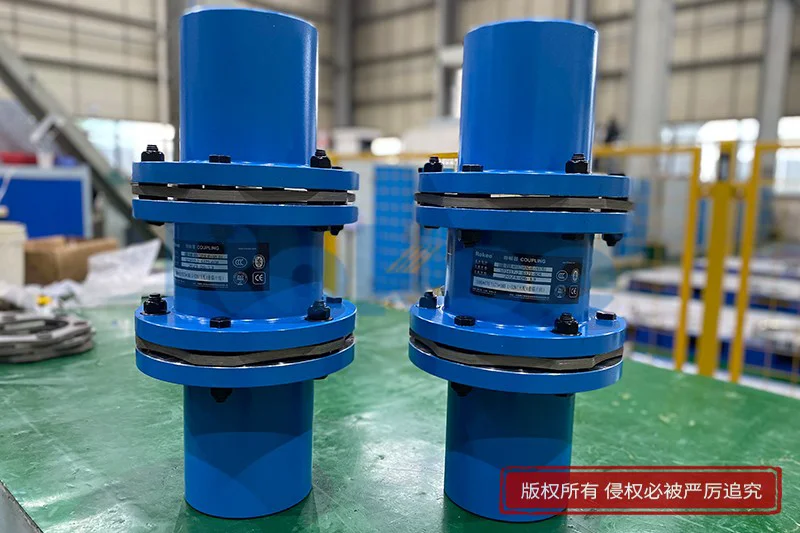
Double diaphragm coupling is a high-performance flexible transmission component widely adopted in precision mechanical transmission systems, designed to connect driving and driven shafts while achieving efficient torque transmission and multi-dimensional misalignment compensation. Differing significantly from traditional single diaphragm couplings and elastic coupling structures, this device features a symmetrical dual-diaphragm layout matched with a central spacer, forming a stable and elastic transmission system. It fundamentally resolves common operational problems in mechanical transmission, including shaft offset, vibration interference, and transmission lag. Boasting zero backlash, high torsional rigidity, and excellent fatigue resistance, it can flexibly adapt to axial, radial, and angular misalignments generated by equipment installation errors and operational vibration. As a core component of high-precision motion control and high-speed rotating machinery, it balances rigid torque transmission and flexible deformation buffering, ensuring stable, accurate, and long-lasting mechanical operation in complex working conditions, making it an indispensable part of modern industrial precision transmission equipment.
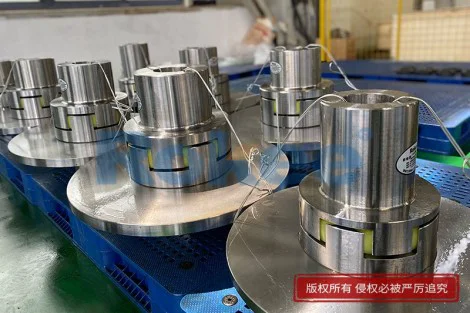
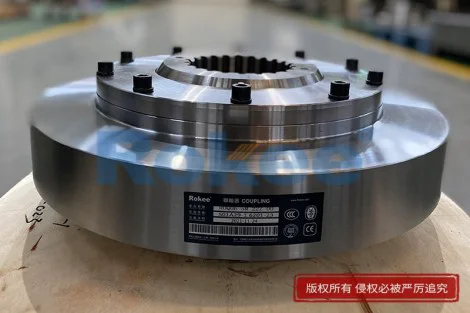
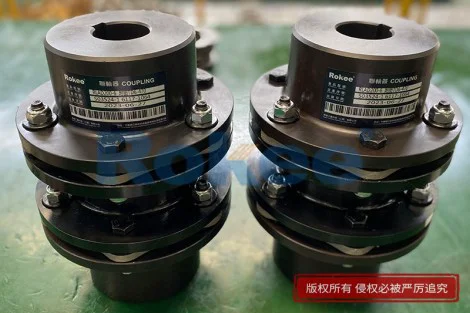
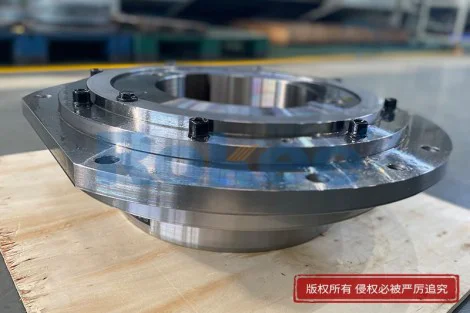
The basic structural composition of double diaphragm coupling defines its superior transmission performance and functional characteristics, with each component undertaking independent and coordinated mechanical tasks in operation. The complete assembly mainly includes two symmetric shaft hubs, two sets of metal diaphragm groups, and a central spacer sleeve that connects the two diaphragm assemblies. The shaft hubs are usually made of high-strength lightweight metal materials, featuring high structural rigidity and wear resistance to ensure firm connection with the transmission shaft and avoid loose displacement during high-speed rotation. The core functional components are the thin metal diaphragms, which are processed with precise forming technology to maintain uniform thickness and stable elastic deformation performance. The central spacer acts as a bridge between the two diaphragm groups, separating the dual elastic structures to form an independent collaborative deformation system. Fastening components are reasonably distributed around the diaphragm groups to fix the connection between diaphragms, spacers and hubs, ensuring overall structural tightness. This modular symmetrical structure not only simplifies the force transmission path but also enables the two diaphragm groups to deform synchronously and complementarily, laying a solid structural foundation for efficient misalignment compensation and stable torque transmission.
The working principle of double diaphragm coupling is based on the elastic deformation characteristics of metal materials and the collaborative operation of dual diaphragm structures, realizing non-lag and low-loss torque transmission. During equipment operation, the torque generated by the driving shaft is first transmitted to the nearby diaphragm group through the fixed hub, and the elastic diaphragms undergo micro bending and tensile deformation under the action of torque. The central spacer transfers the torque to the other set of diaphragm groups, which further transmits the power to the driven shaft hub to complete the entire power transmission process. When misalignment occurs between the driving and driven shafts due to installation deviation or operational vibration, the two diaphragm groups produce coordinated differential deformation. One diaphragm group offsets angular and radial offset errors, while the other absorbs axial displacement changes, avoiding additional mechanical stress on the shaft system. Unlike single diaphragm couplings that bear concentrated stress, the dual-diaphragm structure disperses deformation force evenly, eliminating extra bending moments generated during single-sided deformation. This flexible deformation transmission mode ensures zero backlash power output while effectively buffering mechanical vibration and impact, maintaining consistent transmission accuracy in continuous operation.
Double diaphragm coupling possesses unique performance advantages that distinguish it from other types of flexible couplings, making it suitable for high-standard industrial transmission scenarios. Its most prominent feature is zero backlash transmission, as the metal diaphragm elastic structure eliminates the gap wear and transmission lag common in gear and rubber couplings, ensuring that torque output responds synchronously with power input at all times. Meanwhile, the product maintains high torsional rigidity while retaining flexible deformation capacity, which means it can resist torsional deformation during high-torque transmission without affecting the precision of power transmission. In terms of misalignment compensation, the dual-diaphragm collaborative design greatly expands the compensation range compared with single diaphragm structures, covering axial stretching, radial offset and angular deflection misalignments in actual mechanical operation. Additionally, the all-metal structural design avoids aging, deformation and failure problems of rubber and plastic elastic components, with excellent high-temperature resistance and corrosion resistance. It can operate stably in harsh environments such as high-speed rotation, variable load and temperature fluctuation, and its uniform stress distribution structure effectively reduces fatigue loss, extending the overall service life of the transmission system.
Material selection is a key factor determining the service performance and service life of double diaphragm coupling, and different components adopt targeted high-performance materials to adapt to diverse working conditions. The core diaphragm components mostly use high-quality stainless steel alloys, which are processed through fine grinding and heat treatment to obtain stable elastic performance, high fatigue strength and good ductility. This material can withstand repeated micro deformation for a long time without plastic deformation or fracture, ensuring long-term stable compensation capacity. For scenarios with higher speed and load requirements, special alloy materials with stronger corrosion resistance and high-temperature stability are selected to adapt to extreme working environments. The shaft hubs and central spacer generally adopt high-strength aluminum alloy or carbon steel materials. Aluminum alloy is favored for its lightweight and high rigidity, which can reduce the overall rotational inertia of the coupling and improve the dynamic response speed of high-speed equipment. Carbon steel is applied in heavy-load transmission scenarios due to its higher structural strength and impact resistance. The scientific matching of different materials enables the coupling to achieve optimal balance of lightweight, rigidity, elasticity and durability, meeting the performance requirements of various precision and heavy-duty transmission systems.
Double diaphragm coupling has extremely wide application value in modern industrial precision transmission fields, covering multiple high-precision and high-speed mechanical equipment scenarios. It is widely used in servo motor and stepper motor motion control systems, where its zero backlash and high-precision transmission characteristics ensure accurate positioning and stable speed regulation of automated equipment, effectively avoiding positioning errors and repeated running deviations. In high-speed rotating equipment such as precision machine tools, centrifugal equipment and turbomachinery, the coupling’s excellent vibration buffering and misalignment compensation performance reduces shaft system vibration and mechanical noise, improving the operational stability and processing accuracy of equipment. It also plays an important role in automated production lines, robotic transmission mechanisms and precision testing instruments. In these scenarios, tiny transmission errors or vibration interference will affect the overall equipment operation effect, and the double diaphragm coupling can eliminate transmission interference through flexible deformation while maintaining rigid power output. Its adaptable structural design also enables it to be applied in light-load precision transmission and heavy-load stable transmission scenarios, realizing universal high-performance transmission support for diversified industrial equipment.
In terms of installation, maintenance and operational stability, double diaphragm coupling has obvious practical application advantages, reducing the comprehensive use cost of mechanical transmission systems. The split symmetrical structure with an intermediate spacer allows the coupling to be disassembled and maintained independently without moving the connected driving and driven equipment, greatly simplifying the daily maintenance process and shortening equipment downtime. The integrated modular structure reduces the number of assembly parts, lowering the probability of assembly errors and loose faults during installation. During long-term operation, the all-metal elastic structure will not produce aging, wear or failure of elastic components, and the stress uniform distribution design avoids local fatigue damage, reducing the frequency of equipment failure and maintenance times. In actual operation, it can effectively isolate the vibration generated by the driving end and prevent vibration transmission between adjacent equipment, protecting the precision parts of the entire transmission system. Moreover, the coupling has low rotational inertia and excellent dynamic balance performance, which will not cause additional energy consumption and speed fluctuation during high-speed operation, improving the overall energy utilization efficiency of mechanical equipment.
With the continuous upgrading of modern industrial manufacturing towards high precision, high speed and high stability, the technical optimization and application prospect of double diaphragm coupling are becoming increasingly broad. At present, continuous innovation in material processing and structural optimization technology is further improving the comprehensive performance of the coupling. Finer precision processing technology makes the diaphragm deformation more uniform and stable, further improving transmission accuracy and misalignment compensation efficiency. Optimized structural parameter design enables the product to adapt to higher speed and larger load working conditions, expanding its application boundary in high-end precision equipment and heavy industrial machinery. In the future, with the rapid development of intelligent manufacturing, automated precision production and high-end mechanical equipment, the demand for high-stability and zero-error transmission components will continue to grow. Relying on its unique zero-backlash transmission, multi-dimensional compensation and long-life stability advantages, double diaphragm coupling will gradually replace traditional low-precision couplings, becoming the core preferred component of high-performance mechanical transmission systems, and continuously empower the high-quality development of modern industrial transmission technology.